A little bad breath or yellow buildup on your pet’s teeth may seem harmless at first. But dental disease can gradually damage the gums, weaken the structures supporting the teeth, and cause ongoing oral discomfort. Without appropriate care, what begins as plaque buildup can eventually lead to loose teeth, infection, and tooth loss.
For pet owners in Palmetto, FL, understanding these changes can help prevent dental concerns from becoming more difficult to manage. Dogs and cats may continue eating even when their mouths hurt, which means dental disease can progress without obvious signs.
Consistent pet dental care involves recognizing how untreated problems affect the mouth, understanding when professional treatment may be needed, and building habits that support long-term oral health.
What Happens When Dental Disease Goes Untreated?
Untreated dental disease can cause progressively greater damage to your pet’s teeth, gums, and supporting tissues. Plaque and tartar buildup irritate the gums, allowing inflammation to develop. If the condition advances, bacteria can affect the tissues and bone around the teeth, potentially causing pain, loose teeth, and tooth loss.
The progression is often associated with periodontal disease, a condition that affects the structures holding teeth in place.
4 Ways Untreated Dental Disease Can Damage Your Pet’s Mouth
1. Gum Inflammation Can Become More Severe
Dental disease often begins with gingivitis, which causes the gums to become red, swollen, and sensitive. Bleeding during eating or gentle contact may also occur.
At this early stage, the inflammation may be reversible with appropriate professional cleaning and consistent home care. However, if plaque and bacteria remain, inflammation can extend beneath the gumline and affect deeper tissues.
2. The Tissues Supporting the Teeth Can Break Down
As periodontal disease progresses, bacteria can damage the periodontal ligament and surrounding bone. These structures help keep each tooth securely in place.
You may not see this damage by looking at your pet’s teeth because much of it occurs below the gumline. Over time, affected teeth may become loose or shift out of position. Advanced damage to supporting bone and tissues generally cannot be reversed.
3. Teeth May Become Painful, Damaged, or Lost
Ongoing inflammation and infection can make teeth increasingly uncomfortable. Some pets may develop loose teeth, fractured teeth, or areas of infection around the tooth roots.
A dog might begin avoiding hard treats, while a cat may chew differently or become less interested in food. In advanced cases, removing a severely damaged tooth may be necessary to address the source of discomfort and protect surrounding tissues.
4. Infection Can Extend Beyond the Gums
Advanced dental disease can involve infection around tooth roots and, in some cases, spread into nearby structures such as the jawbone. Bacteria associated with periodontal disease can also enter the bloodstream. Research has linked chronic oral inflammation with health concerns affecting other parts of the body, although the effects vary between individual pets.
This is one reason dental disease should not be treated as a cosmetic problem or dismissed as ordinary bad breath.
What Signs May Suggest Dental Disease Is Getting Worse?
Watch for changes that may indicate progressing oral problems, including:
- Persistent or unusually foul breath
- Red, swollen, or bleeding gums
- Heavy yellow or brown tartar buildup
- Loose, broken, or missing teeth
- Excessive drooling or blood-tinged saliva
- Dropping food or chewing on one side
- Facial swelling or sensitivity around the mouth
Some pets hide discomfort and continue eating normally. A lack of obvious symptoms does not necessarily mean their teeth and gums are healthy.
How Can You Prevent Further Dental Damage?
Consistent home care and professional veterinary examinations can help control plaque and identify dental problems before they become advanced.
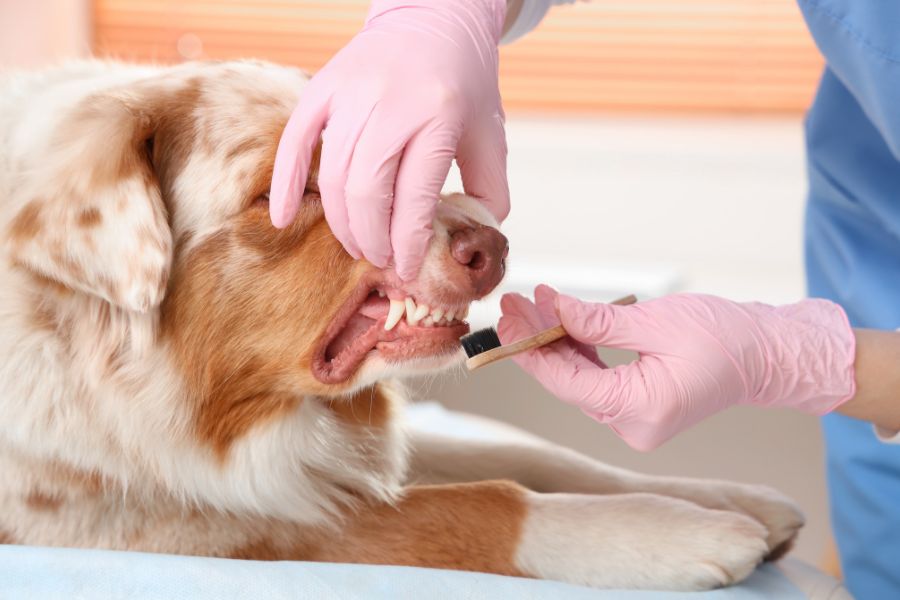
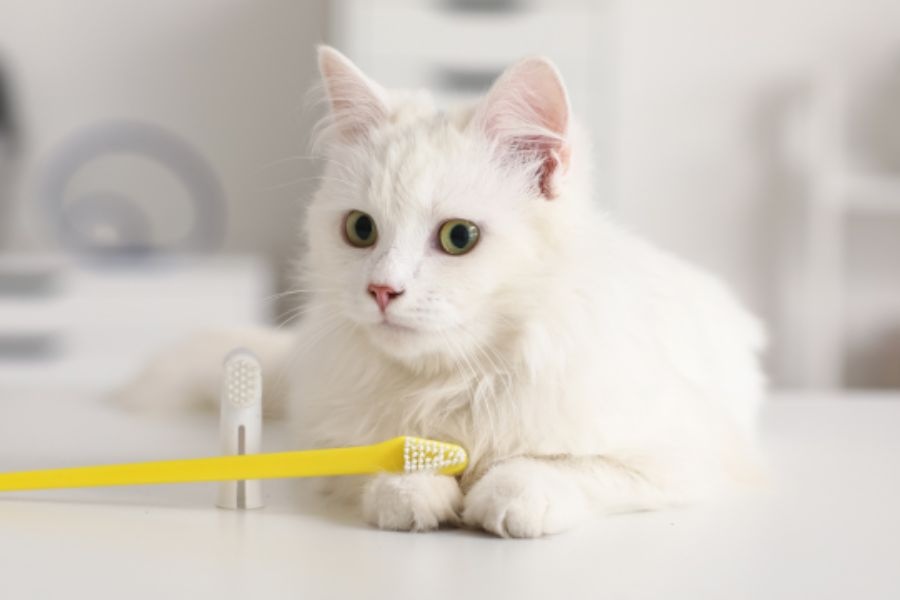
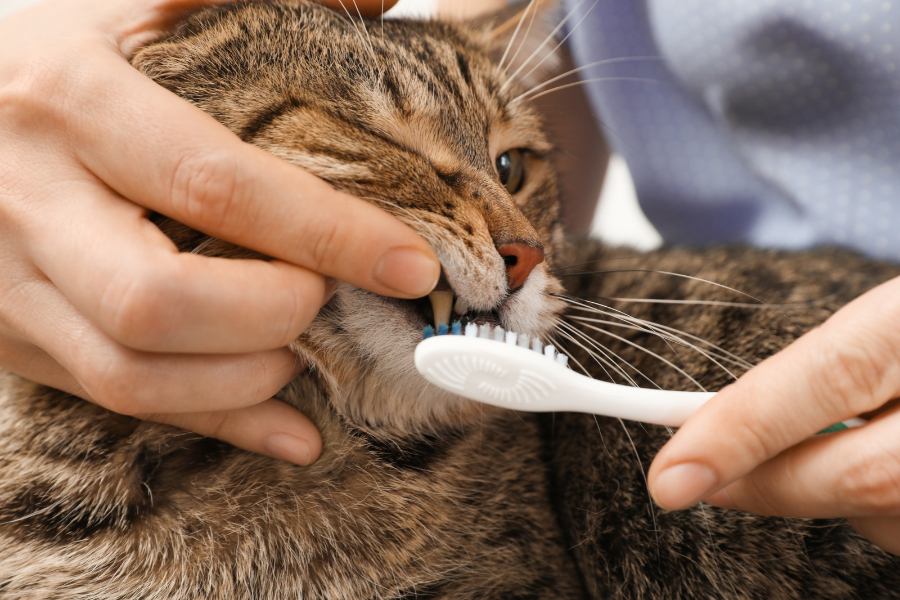
- Brush regularly: Use a pet-specific toothbrush and toothpaste. Daily brushing is ideal when your pet tolerates it.
- Choose suitable dental products: Ask your veterinarian about dental chews, diets, and products with the Veterinary Oral Health Council (VOHC) seal.
- Schedule dental examinations: Routine evaluations help identify gum inflammation, tartar, and other concerns.
- Follow treatment recommendations: Hardened tartar and established periodontal disease may require professional cleaning or additional treatment.
Professional dental cleanings may involve scaling and polishing under anesthesia. Dental X-rays can also help reveal problems affecting tooth roots and structures beneath the gumline that cannot be seen during a visual examination.
When Should You Contact a Veterinarian?
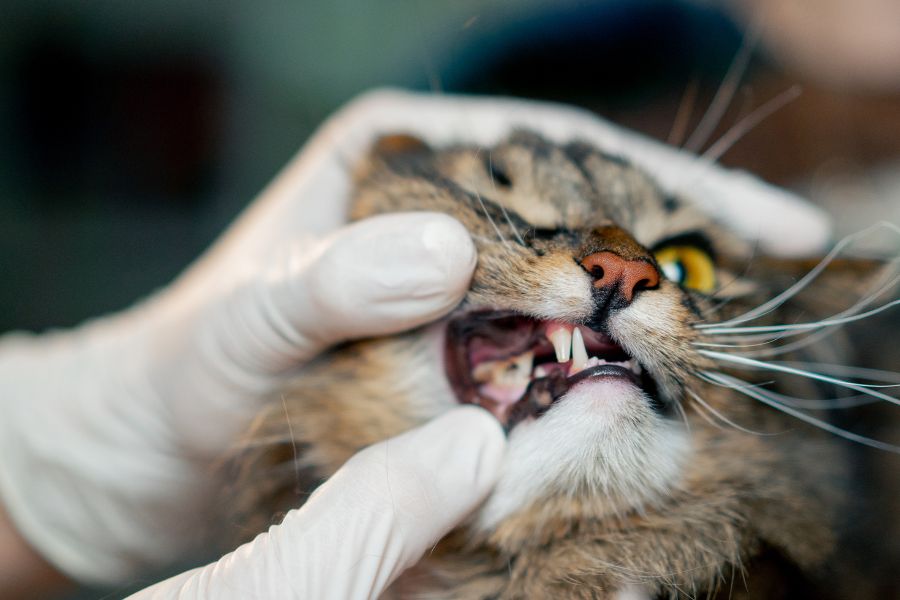
Arrange an examination if your pet has persistent bad breath, bleeding gums, visible tartar, loose teeth, or changes in chewing and eating habits. Facial swelling, a broken tooth, or signs of significant oral pain should be evaluated promptly.
If your pet cannot eat or drink or appears severely uncomfortable, seek urgent veterinary advice. Do not try to remove tartar with household tools or pull a loose tooth yourself.
A veterinary examination can help determine how far dental disease has progressed and whether professional cleaning, dental X-rays, extractions, or other treatment may be appropriate.
Untreated dental disease can gradually move from gum inflammation to damage involving the tissues and bone that support your pet’s teeth. Recognizing the progression and seeking veterinary care when changes appear can help protect your companion’s comfort and oral health.
Watson’s Friends Animal Hospital provides professional dental evaluations, cleanings, and treatment options for dogs and cats. If you have noticed changes in your pet’s breath, gums, or eating habits, schedule an appointment to discuss their dental health and the care they may need.
Frequently Asked Questions
Q1. Can untreated dental disease cause a dog or cat to lose teeth?
Ans: Yes. Advanced periodontal disease can damage the gums, ligaments, and bone supporting the teeth. As these structures weaken, teeth may become loose and eventually require extraction.
Q2. Is gum damage from dental disease reversible?
Ans: Early gum inflammation, known as gingivitis, can often be reversed with professional cleaning and appropriate home care. However, damage to the bone and supporting tissues caused by advanced periodontal disease is generally irreversible.
Q3. Can untreated dental disease affect a pet’s overall health?
Ans: It can. Advanced oral infection may extend into nearby tissues, and bacteria associated with periodontal disease can enter the bloodstream. Chronic oral inflammation has also been linked with health concerns beyond the mouth, although individual effects vary.
Q4. What dental services does Watson’s Friends Animal Hospital offer?
Ans: Watson’s Friends Animal Hospital provides professional dental examinations and cleanings, including scaling and polishing. The team may also recommend tooth extractions when severe dental damage makes them necessary.
Q5. Does Watson’s Friends Animal Hospital use dental X-rays to identify hidden problems?
Ans: Yes. The hospital uses digital dental radiography to help identify problems beneath the gumline, including diseased tooth roots, fractures, and other concerns that may not be visible during a regular oral examination.
Q6. Can Watson’s Friends Animal Hospital help me maintain my pet’s dental health at home?
Ans: Yes. The veterinary team provides guidance on regular brushing, pet-specific toothpaste, dental chews, and other suitable products. These recommendations can help you maintain your pet’s oral health between professional dental visits.