A pet’s mouth can reveal much more than whether their breath smells unpleasant. Teeth, gums, and the tissues surrounding them can change gradually, often without obvious signs at home. A dog or cat may continue eating, playing, and behaving normally while plaque, tartar, gum inflammation, or a damaged tooth develops quietly.
That is why professional pet dental services are about more than making the teeth look cleaner. A thorough dental evaluation gives the veterinary team an opportunity to examine areas that owners may not be able to see, identify early changes, and determine whether a pet needs cleaning, dental imaging, treatment, or a stronger home-care routine. For pet owners in Palmetto, FL, understanding what professional dental care can uncover makes it easier to recognize the value of looking after oral health before a small concern becomes a painful problem.
Bad Breath May Be the First Warning
Most pet owners notice bad breath before they notice anything else. An occasional odor may not mean there is a serious issue, but breath that is consistently strong or unpleasant should not simply be considered part of owning a dog or cat.
The odor can develop as bacteria accumulate around the teeth and gums. Plaque may eventually harden into tartar, creating an environment where gum irritation and other dental problems can develop.
Look beyond the smell and pay attention to changes such as:
- Red or swollen gums
- Heavy tartar buildup
- Excessive drooling
- Dropping food
- Chewing more slowly
- Avoiding certain foods
- Pawing at the mouth
- Reluctance to chew toys
- Sensitivity around the face
One sign alone may not tell you what is wrong, but several changes together are a good reason to discuss your pet’s mouth with a veterinarian.
The Part of the Mouth You Cannot See
One of the biggest challenges with pet dental health is that much of the important information is not visible from the outside.
You may be able to see the front of your pet’s teeth, but you cannot easily inspect the areas beneath the gums or examine every tooth closely. This is where professional dental care becomes particularly valuable.
Gum Problems Can Progress Quietly
Healthy gums should not be persistently red, swollen, or prone to bleeding. When plaque and bacteria remain around the gumline, inflammation can develop.
Without appropriate attention, dental disease can affect the tissues that support the teeth. A professional examination allows the veterinary team to evaluate the gums and surrounding structures rather than focusing only on visible tartar.
A Broken Tooth May Be Easy to Miss
Dogs and cats can damage their teeth while chewing on hard objects or during everyday activity. A fracture may be obvious, but smaller cracks or changes may be difficult for an owner to identify.
A professional dental examination can help determine whether an unusual tooth needs monitoring, treatment, or further evaluation.
Dental X-Rays Can Reveal Hidden Changes
The visible portion of a tooth does not always tell the entire story. Dental X-rays can allow veterinarians to examine tooth roots and surrounding bone when imaging is appropriate.
This can be especially useful when a tooth looks relatively normal on the surface but there is concern about what may be happening underneath the gumline.
What Happens During Professional Pet Dental Care?
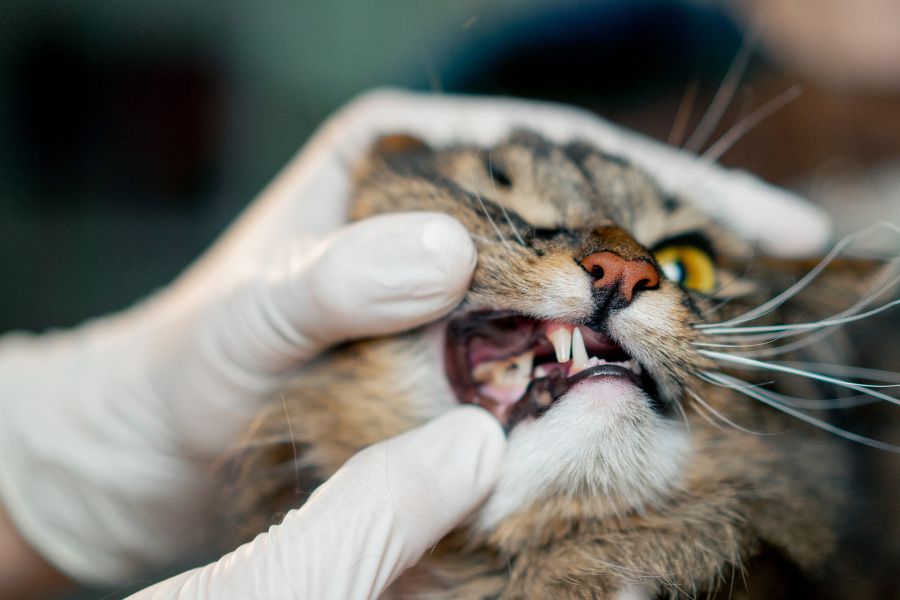
Professional dental care is not simply a matter of removing visible buildup. It involves assessing the overall condition of the mouth and determining what your pet needs.
Depending on the individual case, care may include:
- Oral examination: The teeth, gums, and other structures are evaluated for abnormalities.
- Professional cleaning: Plaque and hardened tartar are removed from the teeth.
- Polishing: The tooth surfaces are polished after cleaning.
- Dental imaging: X-rays may be recommended to assess areas beneath the gums.
- Treatment planning: Any dental concerns found during the examination can be discussed with the pet owner.
The exact approach depends on your pet’s age, health, dental history, and what the veterinary team finds during the evaluation.
Why a Clean Mouth Is Only Part of the Goal
A professional cleaning can make the teeth look noticeably better, but appearance is not the main reason dental care matters.
The larger goal is to support comfortable chewing and healthier gums while identifying dental concerns that may interfere with your pet’s everyday life. Removing accumulated tartar also gives the veterinary team a better opportunity to examine the teeth and gums.
Think of a dental cleaning as one part of a larger process:
Examine → Identify → Treat → Maintain
This approach helps shift dental care away from simply reacting to bad breath and toward protecting oral health over time.
Your Pet May Not Tell You Something Hurts
Pets do not always respond to dental discomfort in ways that are easy for people to recognize. Some continue eating because food is important to them. Others gradually adjust the way they chew without making it obvious that something has changed.
You might notice that your pet:
- Takes longer to eat
- Favors softer food
- Drops kibble
- Stops chewing favorite toys
- Chews on one side
- Becomes less comfortable with face handling
These changes can be subtle. Knowing your pet’s normal habits can help you recognize when something is different.
Age Can Change Dental Needs
Dental care is not something that suddenly becomes important when a pet becomes a senior. Oral health deserves attention throughout life, beginning with routine veterinary examinations when pets are young.
As pets grow, plaque and tartar can accumulate, teeth can become damaged, and gum health can change. Older pets may have a longer history of dental buildup or previously unnoticed problems, making regular evaluation particularly valuable.
Your veterinarian can consider your pet’s age, breed, lifestyle, previous dental findings, and home-care routine when determining what type of dental monitoring is appropriate.
Professional Care and Home Care Work Together
A professional dental cleaning should not be viewed as a replacement for daily care at home. Instead, the two approaches support each other.
At home, pet owners can help maintain oral health by following veterinary recommendations for:
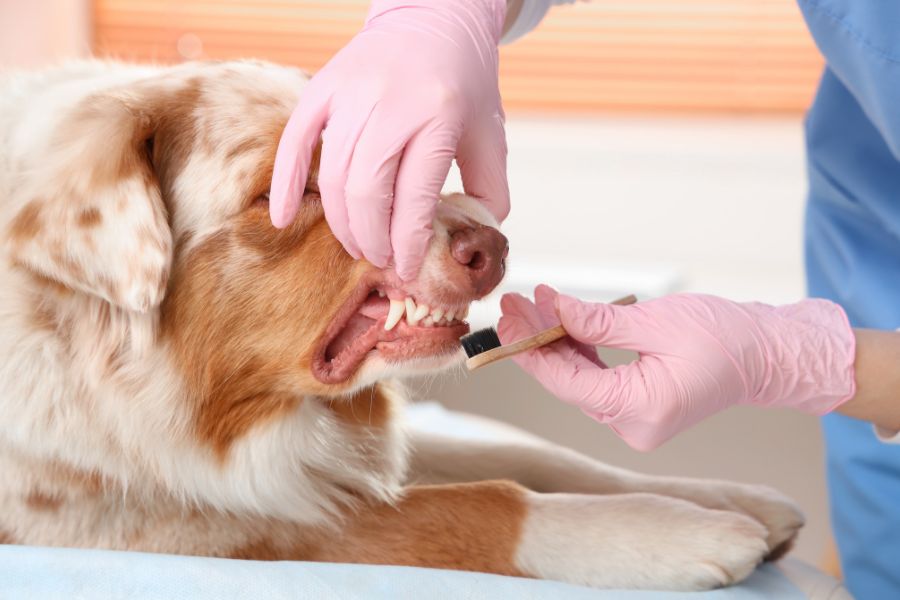
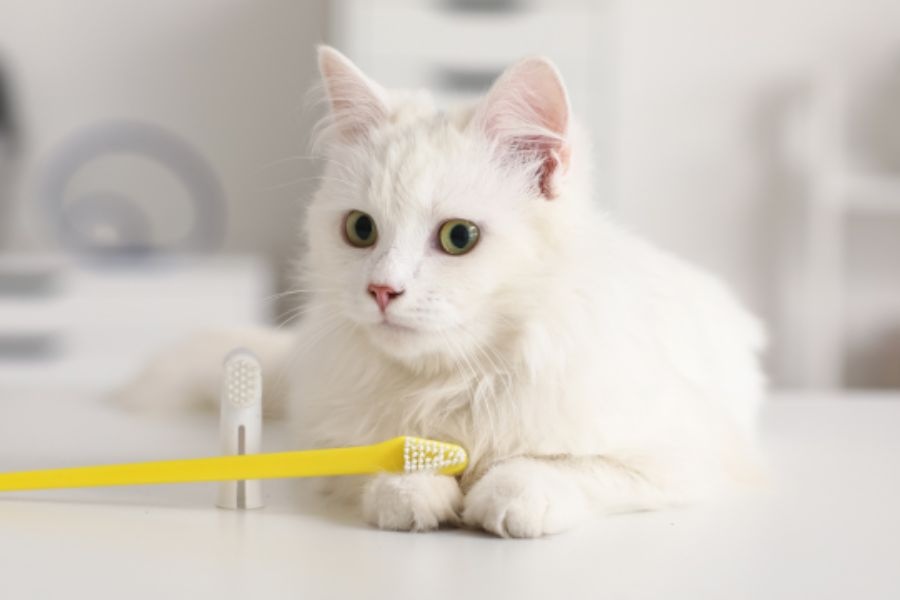
- Tooth brushing
- Pet-safe dental products
- Appropriate dental treats
- Suitable chew options
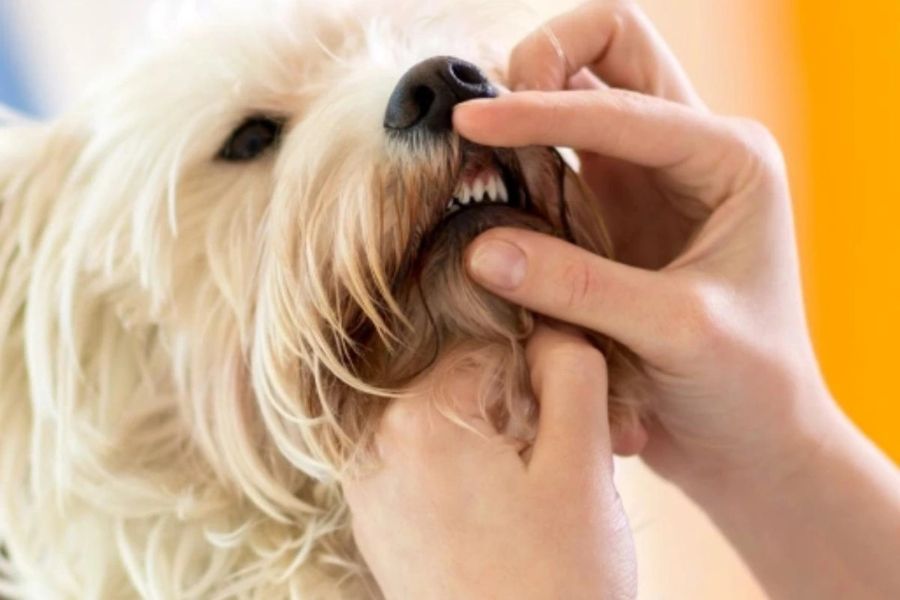
- Routine mouth checks
Introducing dental care gradually can make it easier for pets to accept tooth brushing. If your pet strongly resists having their mouth handled, ask your veterinary team for guidance rather than forcing the process.
When Is It Time to Schedule a Dental Evaluation?
You do not need to wait until your pet stops eating before asking about dental health. Professional evaluation can be worthwhile when you notice early changes or when it has been a while since your pet’s mouth was assessed.
Consider scheduling a dental discussion if your pet has:
- Ongoing bad breath
- Noticeable tartar
- Red or bleeding gums
- A loose or broken tooth
- Changes in chewing
- Increased drooling
- Difficulty eating
- Facial sensitivity or swelling
Severe pain, significant swelling, heavy bleeding, or an inability to eat should be addressed promptly.
Making Dental Health Part of Preventive Care
Pet dental care works best when it becomes part of the bigger preventive-care picture. Regular veterinary visits provide opportunities to monitor oral health and compare changes over time.
For families in Palmetto, FL, this means dental care does not have to begin only after a noticeable problem appears. Routine attention can help uncover concerns earlier and give you a clearer understanding of how to care for your pet’s teeth between professional visits.
The most useful question is not simply, “Does my pet have bad breath?” Instead, ask, “What is happening beneath the surface of my pet’s mouth?” A professional dental evaluation can provide a much more complete answer.
Bad breath can be the first clue, but it is rarely the complete picture of a pet’s dental health. Professional pet dental services can uncover problems involving the gums, teeth, tooth roots, and areas that are difficult to examine at home.
Paying attention to changes in chewing, eating, breath, and behavior can help you recognize when your pet may need a closer look. With professional evaluation and consistent home care, dental health can become a regular part of keeping your dog or cat comfortable and active.
Schedule an appointment to have your pet’s dental health evaluated and learn what professional care may be appropriate for their individual needs.
FAQs
1. What can professional pet dental services uncover?
They can identify tartar, gum inflammation, damaged teeth, loose teeth, and hidden dental changes that may not be visible during a routine look at home.
2. Is persistent bad breath a sign of dental disease in pets?
Persistent bad breath can be associated with plaque, tartar, gum inflammation, and other oral problems, so it is worth having your pet evaluated.
3. Can my pet have dental problems while eating normally?
Yes. Pets can adapt to oral discomfort and continue eating, which means normal appetite does not always rule out dental problems.
4. Why are dental X-rays used for pets?
Dental X-rays can help veterinarians evaluate tooth roots and surrounding structures that cannot be seen simply by looking at the visible portion of the teeth.
5. Can home dental care prevent the need for professional cleanings?
Home brushing and veterinarian-recommended dental care can help control plaque, but professional examinations and cleanings may still be necessary to manage tartar and detect problems below the gumline.