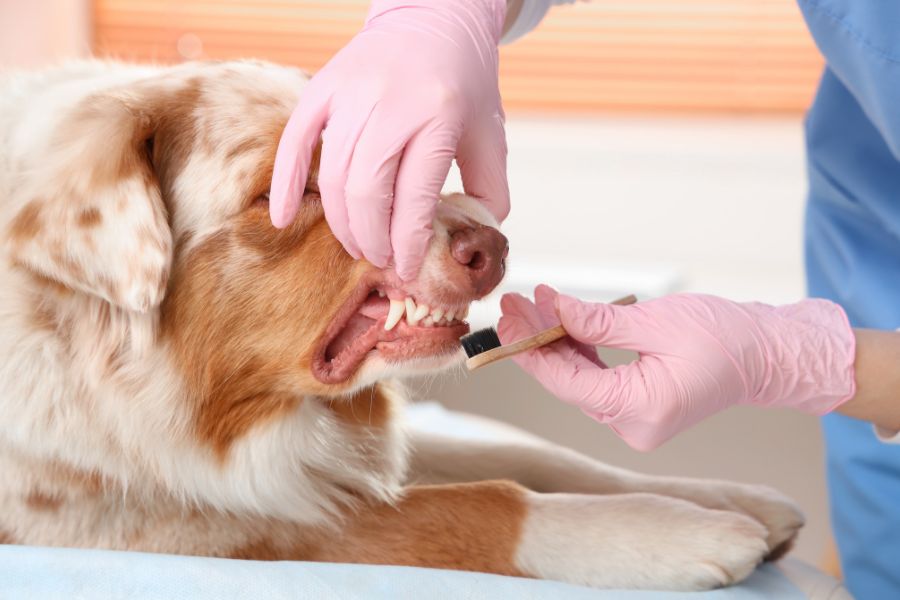
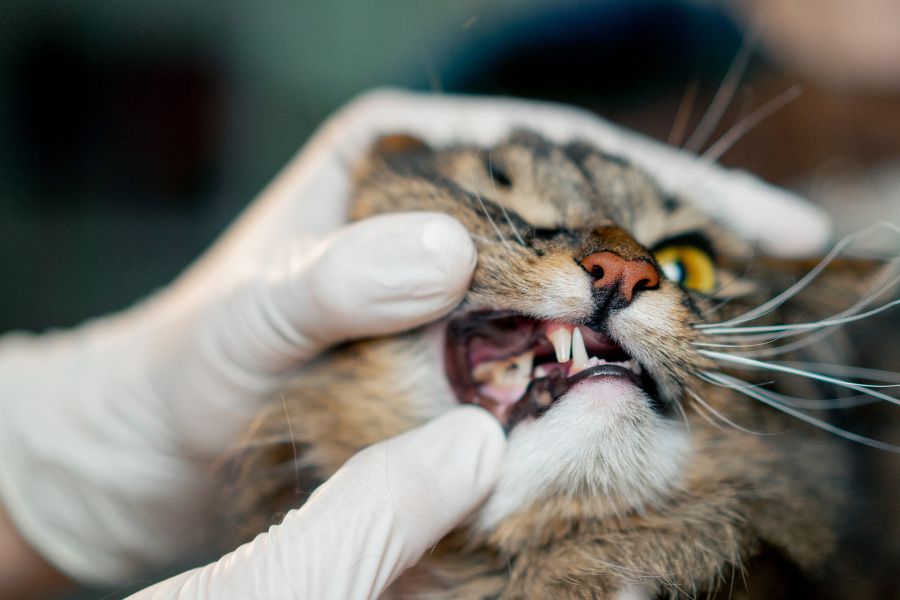
Many pet owners assume bad breath is just a normal part of having a dog or cat. In reality, persistent odor is often one of the first signs of pet dental disease, a serious health problem that can affect far more than your pet’s mouth. Dental disease can lead to pain, tooth loss, infections, and even damage to major organs if left untreated.
In this article, you’ll learn why pet dental disease is more dangerous than bad breath, the warning signs to watch for, how dental problems impact your pet’s overall health, and what steps you can take to protect your pet’s long-term well-being.
What Is Pet Dental Disease?
Pet dental disease refers to infections and inflammation affecting the teeth, gums, and surrounding tissues. The most common form is periodontal disease, which develops when plaque and tartar build up on the teeth over time.
The process usually begins quietly:
- Plaque forms on the teeth after eating.
- Plaque hardens into tartar.
- Bacteria spread below the gumline.
- Gums become inflamed and infected.
- Teeth loosen, and deeper infections develop.
By the age of three, many dogs and cats already show signs of dental disease. Unfortunately, pets are very good at hiding pain, which means the condition often goes unnoticed until it becomes severe.
Why Bad Breath Should Never Be Ignored?
Occasional mild odor may happen after meals, but persistent foul breath is not normal. Bad breath often signals bacterial buildup and infection in the mouth.
Common causes include:
- Gum infections
- Tartar accumulation
- Tooth decay
- Oral abscesses
- Damaged teeth
- Advanced periodontal disease
When bacteria continue to multiply inside the mouth, the infection can spread deeper into the body. What starts as bad breath can eventually become a major health concern.
How Pet Dental Disease Affects the Entire Body?
Many pet owners are surprised to learn that dental disease is linked to serious internal health problems. The mouth contains large amounts of bacteria, and infected gums allow those bacteria to enter the bloodstream.
Heart Problems
Bacteria from untreated dental infections may travel to the heart and contribute to inflammation of the heart valves. This can worsen existing heart conditions and create long-term complications.
Kidney Disease
The kidneys help filter harmful substances from the blood. Chronic bacterial exposure from dental disease can place added stress on these organs over time.
Liver Complications
The liver processes toxins and infections in the body. Ongoing oral infections may increase liver inflammation and reduce normal function.
Chronic Pain and Reduced Quality of Life
Dental pain affects everyday activities like eating, chewing toys, grooming, and playing. Many pets continue eating despite severe pain, making it harder for owners to recognize the problem.
Signs of discomfort may include:
- Dropping food while eating
- Chewing on one side of the mouth
- Reduced appetite
- Pawing at the mouth
- Increased irritability
- Avoiding hard treats or toys
Common Signs of Pet Dental Disease
Recognizing symptoms early can help prevent more serious complications. Watch for these warning signs:
Visible Symptoms
- Yellow or brown tartar buildup
- Red or swollen gums
- Loose or missing teeth
- Bleeding from the mouth
- Excessive drooling
Behavioral Changes
- Bad breath that does not improve
- Difficulty eating
- Reduced interest in food
- Facial swelling
- Sensitivity around the mouth
- Decreased activity levels
Cats may show even subtler signs than dogs. Some cats with severe dental disease simply become quieter or stop grooming themselves regularly.
The Stages of Periodontal Disease in Pets
Dental disease progresses gradually, but damage becomes harder to reverse in later stages.
Stage 1: Gingivitis
At this early stage, gums become red and inflamed. Professional cleaning and home care can often reverse the condition.
Stage 2: Early Periodontal Disease
Plaque and tartar extend below the gumline. Mild bone loss may begin.
Stage 3: Moderate Periodontal Disease
Infection spreads deeper into the tissues supporting the teeth. Pain and tooth instability increase.
Stage 4: Advanced Periodontal Disease
Severe infection, major bone loss, loose teeth, and abscesses develop. Tooth extraction is often necessary.
Early intervention is the best way to avoid advanced disease and costly treatment.
Why Professional Dental Cleanings Matter?
Brushing at home is important, but it cannot remove hardened tartar beneath the gums. Professional dental cleanings allow veterinarians to fully examine and clean areas that are impossible to reach otherwise.
A veterinary dental procedure typically includes:
- Full oral examination
- Dental X-rays
- Tartar and plaque removal
- Polishing the teeth
- Checking for damaged or infected teeth
- Treating hidden infections
Dental X-rays are especially important because many dental problems occur below the gumline, where they cannot be seen during a routine exam.
How to Prevent Pet Dental Disease?
Prevention is far easier and less expensive than treating advanced dental problems. A consistent dental care routine can greatly reduce the risk of disease.
Brush Your Pet’s Teeth Regularly
Daily brushing is one of the most effective ways to reduce plaque buildup. Use toothpaste specifically made for pets because human toothpaste can be harmful.
Schedule Routine Veterinary Exams
Regular wellness visits help detect dental issues before they become severe.
Use Veterinary-Approved Dental Products
Helpful products may include:
- Dental chews
- Water additives
- Dental diets
- Oral rinses
- Dental wipes
Look for products recommended by veterinary dental organizations whenever possible.
Watch for Early Changes
Pay attention to your pet’s breath, eating habits, and mouth appearance. Small changes can signal a developing disease.
Are Certain Pets More at Risk?
Some pets are more likely to develop dental disease than others.
Small Dog Breeds
Small breeds often experience overcrowded teeth, which trap plaque and bacteria more easily.
Breeds commonly affected include:
- Yorkshire Terriers
- Chihuahuas
- Dachshunds
- Toy Poodles
Senior Pets
Older pets naturally accumulate more tartar over time and may have weaker immune defenses.
Flat-Faced Breeds
Breeds with short noses may have crowded or misaligned teeth, which can increase the risk of dental problems.
Cats With Resorptive Lesions
Cats commonly develop painful tooth resorption, where tooth structure breaks down over time. These lesions are often hidden below the gumline and require dental X-rays for diagnosis.
The Cost of Delaying Dental Care
Many owners postpone dental treatment because their pet still seems to eat normally. Unfortunately, delaying care usually leads to:
- More severe infections
- Tooth extractions
- Higher treatment costs
- Increased pain
- Greater anesthesia risks later in life
Addressing dental disease early is typically simpler, safer, and less expensive than waiting until the condition becomes advanced.
How Often Should Pets Have Dental Checkups?
Most pets benefit from a dental evaluation during every wellness exam. Professional dental cleanings may be recommended yearly, though some pets require more frequent care depending on their breed, age, and dental health. Your local veterinarian can create a dental care plan based on your pet’s individual needs.
Conclusion
Bad breath is often more than just an unpleasant smell. It can be an early warning sign of pet dental disease, a condition that may lead to pain, tooth loss, and serious health complications affecting the heart, kidneys, and liver. Early detection and regular pet dental care play a major role in protecting your pet’s comfort and overall health. If your pet has persistent bad breath or signs of oral discomfort, schedule a dental evaluation with your Palmetto animal hospital, Watson’s Friends Animal Hospital, to help keep your pet healthy and pain-free for years to come.
FAQs
Q1: Is bad breath in pets always a sign of dental disease?
Ans: Bad breath is commonly linked to dental disease, especially when it is persistent or severe. It may also indicate infections, tooth decay, or other oral health problems.
Q2: How common is periodontal disease in pets?
Ans: Periodontal disease is extremely common. Many dogs and cats develop some level of dental disease by age three.
Q3: Can pet dental disease affect internal organs?
Ans: Yes. Bacteria from infected gums can enter the bloodstream and potentially affect the heart, kidneys, and liver.
Q4: How often should I brush my pet’s teeth?
Ans: Daily brushing is ideal for preventing plaque buildup and supporting long-term oral health.
Q5: Are professional dental cleanings safe for pets?
Ans: Professional cleanings are generally very safe when performed with proper monitoring and pre-anesthetic evaluation by a veterinary team.