Does your pet have bad breath that just won’t go away? Persistent odor is often more than just unpleasant. It can signal dental disease, infections, or other health concerns that require professional care. Visiting a vet near you is the best way to identify the cause early and protect your pet’s overall health.
In this guide, you’ll learn why bad breath happens, when to worry, how veterinarians diagnose the issue, and what treatments can help your pet feel better.
Why Bad Breath in Pets Should Never Be Ignored
Many pet owners assume bad breath is normal, especially in dogs and cats. While a mild odor can happen occasionally, persistent bad breath often indicates an underlying problem.
Common causes of bad breath include:
- Dental disease and plaque buildup
- Gum infections
- Tooth decay or abscess
- Kidney disease
- Diabetes
- Digestive issues
- Oral tumors or injuries
Dental disease is the most common reason. In fact, studies show that nearly 70 percent of cats and 80 percent of dogs develop some form of dental disease by age three.
When left untreated, bacteria in the mouth can spread to major organs, including:
- Heart
- Liver
- Kidneys
This makes early care from a vet essential for protecting long-term health.
Signs Your Pet’s Bad Breath Needs Veterinary Attention
Bad breath alone is enough reason to schedule a checkup. However, some symptoms make the situation more urgent.
Watch for these warning signs:
- Red or swollen gums
- Yellow or brown tartar buildup
- Drooling more than usual
- Pawing at the mouth
- Difficulty eating or chewing
- Bleeding from the mouth
- Loose or missing teeth
- Reduced appetite
- Weight loss
If your pet shows any of these symptoms, a vet can perform a thorough oral exam and identify the cause quickly.
Common Causes of Persistent Bad Breath
Dental Disease
Dental disease begins with plaque buildup. Over time, plaque hardens into tartar and leads to gum inflammation.
If untreated, it can progress to:
- Gingivitis
- Periodontal disease
- Tooth loss
- Bone damage
Professional dental cleaning and treatment can stop the problem before it worsens.
Oral Infections
Bacterial infections can cause a severe odor. These infections often result from:
- Broken teeth
- Gum injuries
- Foreign objects stuck in the mouth
A veterinarian can treat infections with medication and dental procedures.
Kidney Disease
Bad breath that smells like ammonia may signal kidney disease. This condition is more common in older pets.
Early diagnosis helps manage the disease and improve quality of life.
Diabetes
Pets with diabetes may develop sweet or fruity-smelling breath. This can be a medical emergency if left untreated.
A vet near you can run blood tests to confirm the diagnosis.
Digestive Issues
Sometimes bad breath comes from digestive problems, such as:
- Acid reflux
- Gastrointestinal infections
- Dietary intolerance
Proper diagnosis ensures the right treatment plan.
How a Vet Diagnoses Bad Breath in Pets
When you visit a veterinarian, they perform a detailed evaluation. This helps identify both oral and internal causes.
The diagnostic process may include:
Physical Examination
The vet checks:
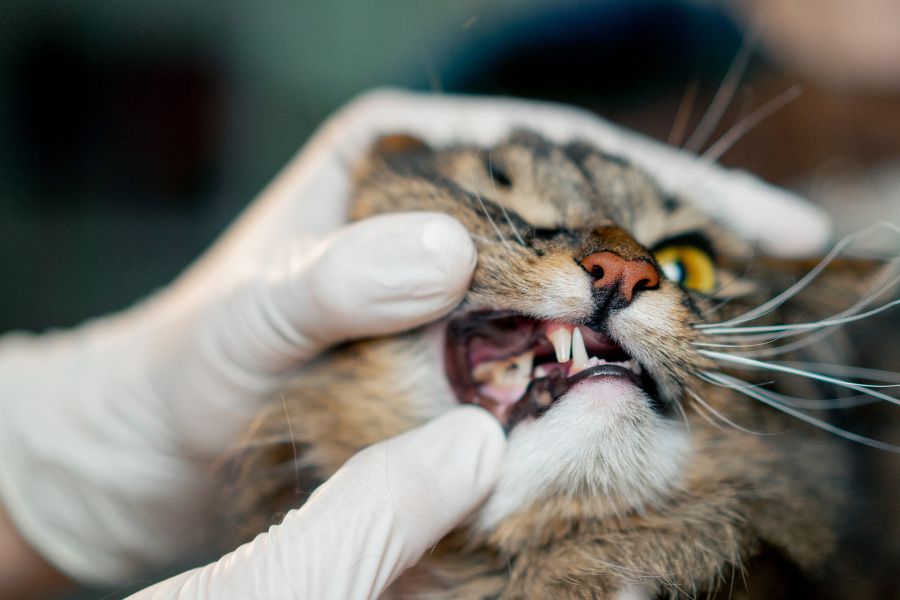
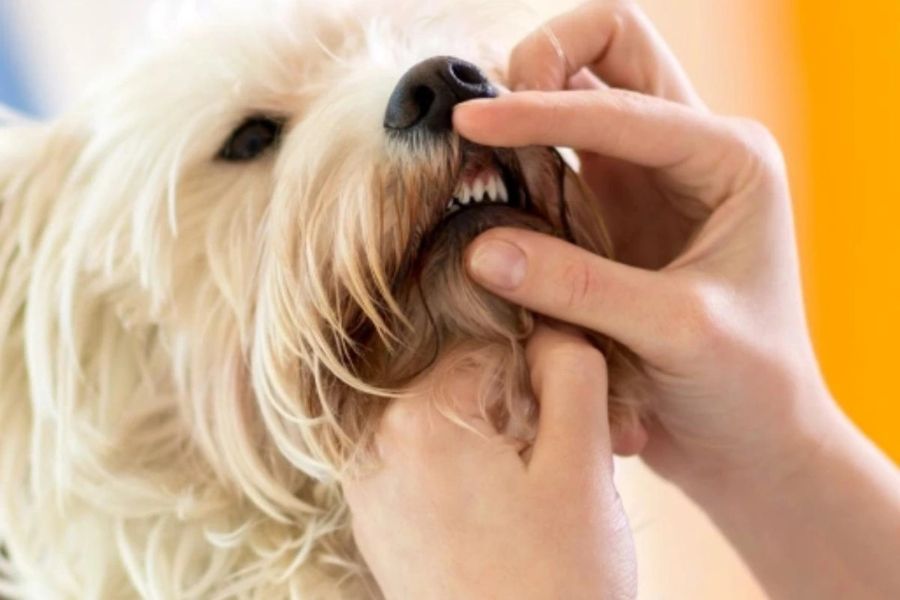
- Teeth and gums
- Tongue and throat
- Jaw alignment
- Oral lesions or swelling
Dental X Rays
Dental X-rays reveal problems beneath the gum line, such as:
- Tooth root infections
- Bone loss
- Hidden abscesses
Blood Tests
Blood tests help rule out:
- Kidney disease
- Diabetes
- Liver problems
- Infections
Urine Testing
Urine analysis provides additional clues about overall health.
These tests help your vet create a treatment plan tailored to your pet’s needs.
Treatment Options for Bad Breath in Pets
Treatment depends on the underlying cause. Your veterinarian may recommend one or more of the following options.
Professional Dental Cleaning
This is the most common treatment. Professional cleaning removes:
- Plaque
- Tartar
- Bacteria
The procedure is performed under anesthesia to ensure safety and comfort.
Tooth Extraction
Severely damaged teeth may need removal. This prevents infection from spreading.
Antibiotics and Medication
If infection is present, antibiotics may be prescribed. Pain medication may also be used for comfort.
Diet Changes
Special dental diets help reduce plaque buildup. Some diets are designed to improve oral health naturally.
At Home Dental Care
Your veterinarian may recommend:
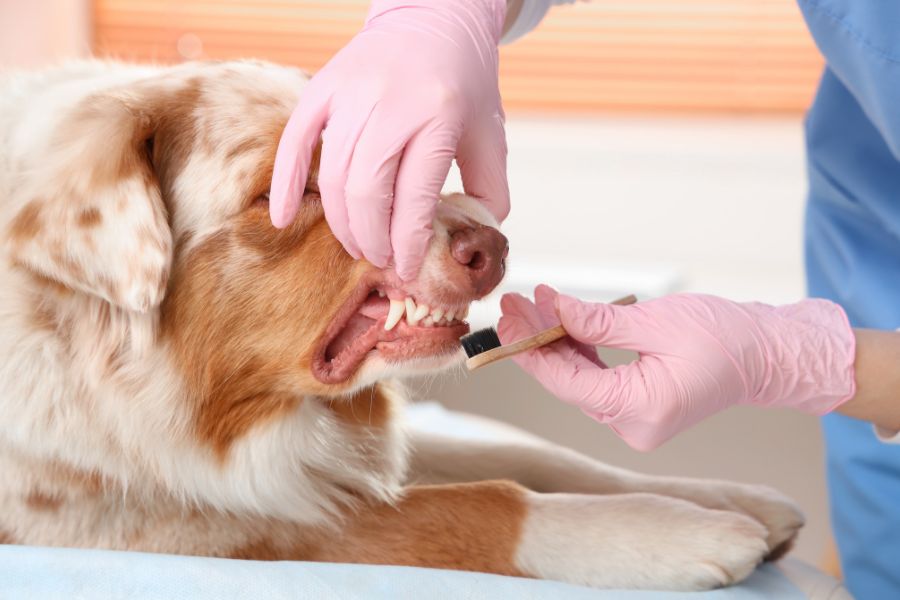
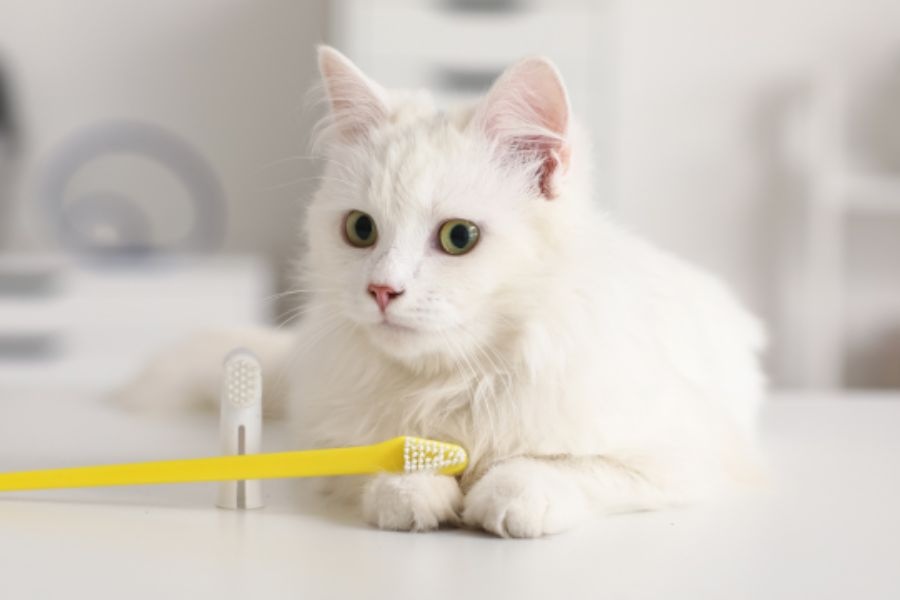
- Brushing your pet’s teeth
- Dental treats
- Oral rinses
- Dental chews
These methods help maintain long-term oral health.
How to Prevent Bad Breath in Pets
Prevention is always better than treatment. With proper care, you can reduce the risk of dental disease.
Follow these simple tips:
Brush Your Pet’s Teeth Regularly
Daily brushing is ideal. Use toothpaste designed specifically for pets.
Schedule Regular Dental Checkups
Routine exams help detect issues early. A vet can monitor your pet’s oral health and recommend preventive care.
Provide Dental Chews
Dental chews help remove plaque naturally.
Choose Dental Friendly Diets
Some foods are designed to support oral health.
Offer Safe Chew Toys
Chew toys help clean teeth and strengthen gums.
When to Visit a Vet Immediately
Some situations require urgent care. Seek veterinary help right away if your pet has:
- Severe bad breath
- Swelling around the face
- Difficulty eating
- Bleeding from the mouth
- Lethargy or weakness
These symptoms may indicate serious conditions that require immediate treatment.
Why Early Treatment Matters
Ignoring bad breath can lead to:
- Chronic pain
- Tooth loss
- Infection spread
- Organ damage
- Reduced quality of life
Early pet dental care improves outcomes and reduces treatment costs. Visiting a vet near you ensures your pet gets timely care and relief.
Bad breath in pets is more than just an inconvenience. It often signals dental disease, infection, or other health issues that need professional attention. Early diagnosis, proper treatment, and regular preventive care can keep your pet healthy and comfortable for years to come. If your pet’s bad breath isn’t going away, schedule a visit with Watson’s Friends Animal Hospital in Palmetto, FL, today and give your pet the care they deserve.
FAQs
1. Why does my pet’s breath smell so bad?
Ans: Bad breath is usually caused by dental disease, infections, or underlying health conditions. A veterinary exam can determine the exact cause.
2. How often should my pet have dental checkups?
Ans: Most pets benefit from annual dental exams, though some may need more frequent visits depending on their oral health.
3. Can I brush my pet’s teeth at home?
Ans: Yes, brushing with pet-safe toothpaste is one of the best ways to prevent bad breath and dental disease.
4. Is bad breath in pets ever normal?
Ans: Mild odor may occur occasionally, but persistent bad breath is not normal and should be checked by a veterinarian.
5. When should I search for a vet for bad breath?
Ans: If bad breath lasts more than a few days or is paired with other symptoms, schedule an appointment as soon as possible.