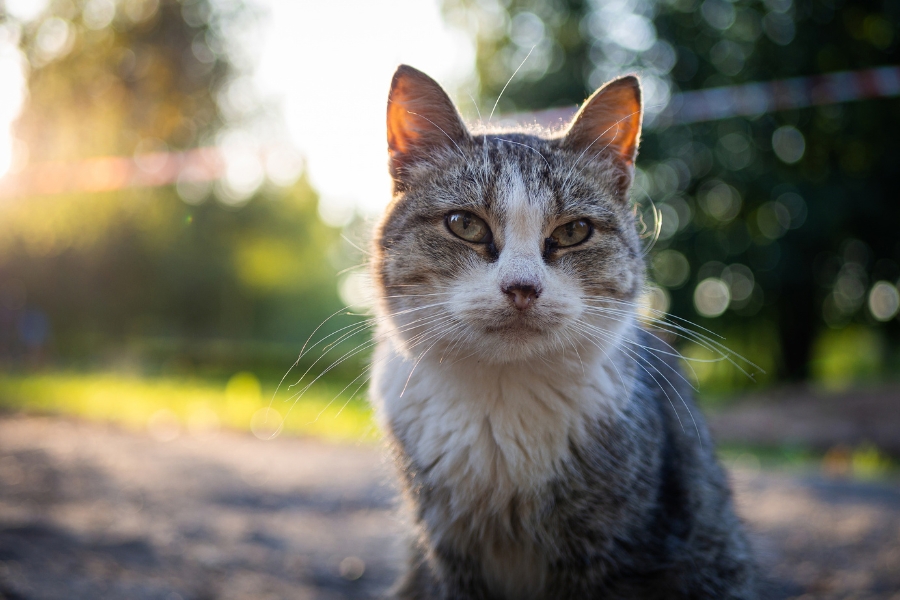

Pets grow older much faster than people, and small changes can appear long before serious illness becomes obvious. Recognizing signs of aging in pets early gives your veterinarian better chance to detect health problems before they affect your pet’s quality of life. Slower walks, changes in appetite, or different sleeping habits may seem like normal aging, but sometimes they point to conditions that benefit from treatment. This guide explains early warning signs of aging, common causes, available treatments, and simple ways to support your pet at home.
What Are Early Signs of Aging in Pets
Signs of aging in pets often develop gradually and may be easy to overlook. While some slowing down is expected, sudden or significant changes should never be dismissed as “old age.” Common early signs include lower energy, stiffness after resting, hearing or vision changes, weight changes, increased thirst, altered bathroom habits, and behavior differences. These changes may result from arthritis, organ disease, hormone disorders, dental disease, or other medical conditions. Routine veterinary examinations become more important as pets age because many illnesses can be managed more successfully when found early.
What Causes Age-Related Changes
Growing older affects nearly every body system. Some changes happen naturally, while others develop because of disease.
Common causes include:
- Arthritis
- Dental disease
- Vision loss
- Hearing loss
- Kidney disease
- Heart disease
- Hormonal disorders
- Cognitive decline
- Muscle loss
- Weight gain or weight loss
Many senior pets develop more than one condition at the same time. Proper evaluation helps identify which changes are normal aging and which require medical treatment. Age alone does not cause suffering. Many health conditions affecting older pets can be managed successfully with early diagnosis.
Signs and Symptoms to Watch For
Small behavior changes often provide the first clue that your pet needs examination.
Watch for:
- Sleeping more than usual
- Difficulty standing or climbing stairs
- Limping or stiffness
- Changes in appetite
- Increased drinking or urination
- Weight changes
- Bad breath
- Confusion or wandering
- Less interest in play
- Changes in vision or hearing
- House training accidents
Some pets become less active because of joint pain rather than simple aging. Others begin pacing, vocalizing, or appearing confused due to changes affecting brain function. Any sudden or severe change deserves prompt senior pet care, regardless of your pet’s age.
How Vets Evaluate and Treat Senior Pets
Veterinary examination helps separate normal aging from treatable disease.
Evaluation may include:
- Complete physical examination
- Blood testing
- Urine testing
- Blood pressure measurement
- X-rays
- Additional imaging when needed
Treatment depends on findings and may include:
- Pain management
- Prescription diets
- Medications for chronic disease
- Weight management
- Joint support
- Lifestyle adjustments
Consider a realistic example. Senior Labrador begins avoiding stairs and sleeping more than usual. The owner assumes old age, but examination identifies arthritis and early kidney disease. After a treatment plan, home adjustments, and regular monitoring, the dog becomes more active and comfortable over the following months. Finding health problems early often improves comfort, mobility, and quality of life while slowing disease progression.
What Pet Owners Can Do at Home
Daily observation helps you notice changes before they become serious. Small adjustments at home can also improve comfort for senior pets.
Helpful steps include:
- Keep fresh water available at all times.
- Maintain a healthy body weight.
- Feed a balanced diet recommended by your veterinarian.
- Provide soft, comfortable bedding.
- Use ramps or non-slip rugs if mobility becomes difficult.
- Keep a regular daily routine.
- Watch appetite, bathroom habits, and activity level.
Do not:
- Assume every change comes from old age.
- Ignore weight loss or gain.
- Stop exercising completely unless instructed by your veterinarian.
- Give human pain medications.
- Skip routine veterinary visits.
Keeping simple notes about behavior, appetite, and mobility helps identify gradual changes that might otherwise go unnoticed.
When to See Vet
Some changes need prompt medical attention rather than routine monitoring.
Schedule a veterinary visit if your pet:
- Drinks or urinates much more than normal.
- Loses or gains weight unexpectedly.
- Has trouble walking or standing.
- Eats much less than usual.
- Seems confused or disoriented.
- Develops persistent coughing.
- Has repeated vomiting or diarrhea.
- Shows sudden behavior changes.
Seek urgent care if your pet:
- Collapses.
- Cannot stand.
- Has difficulty breathing.
- Stops eating completely.
- Appears to be in severe pain.
Early diagnosis often allows treatment before illness becomes advanced.
Helping Your Pet Age Comfortably
Healthy aging depends on regular medical care, proper nutrition, and a supportive home environment.
Good habits include:
- Routine wellness exams.
- Daily gentle exercise.
- Mental enrichment through play and interaction.
- Healthy weight management.
- Comfortable sleeping areas.
- Monitoring for new symptoms.
Many senior pets continue enjoying active, happy lives for years with proper care. Paying attention to small changes helps your veterinarian recommend treatment before problems become more difficult to manage.
Conclusion
Recognizing signs of aging in pets early helps protect your companion’s health and comfort. Changes in mobility, appetite, behavior, thirst, or energy should never be ignored simply because your pet is getting older. Many age-related conditions respond well when diagnosed early. If you notice concerning changes and are looking for a vet near you, then schedule an examination at Watson’s Friends Animal Hospital in Palmetto, FL. Early care can improve quality of life and help your pet enjoy more healthy years by your side.
FAQs
Q1: What are the first signs of aging in pets?
A: Early signs often include lower energy, stiffness, weight changes, increased thirst, hearing or vision loss, behavior changes, and sleeping more than usual.
Q2: At what age is a pet considered senior?
A: Age varies by species, breed, and size. Many cats become seniors around 10 years, while dogs may enter senior stage between 7 and 10 years, depending on breed.
Q3: Are behavior changes normal in older pets?
A: Mild changes may occur with age, but confusion, pacing, house training accidents, or sudden personality changes should be evaluated by a veterinarian.
Q4: How often should senior pets have veterinary checkups?
A: Many veterinarians recommend wellness examinations every six months for senior pets because health changes can develop quickly.
Q5: Can age-related health problems be treated?
A: Many can. Early diagnosis allows better management of arthritis, kidney disease, heart disease, hormonal disorders, and other conditions, helping improve comfort and quality of life.