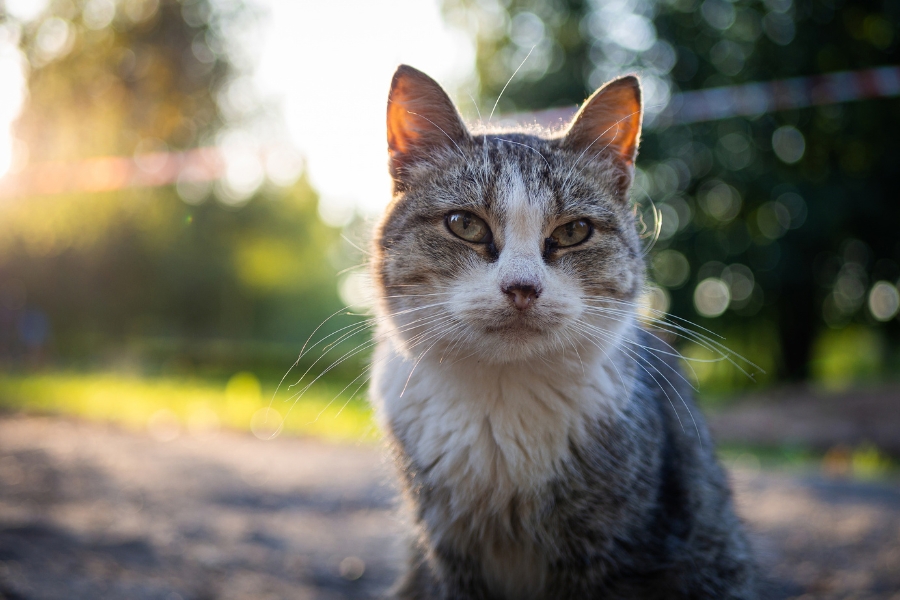
As cats grow older, their needs begin to change in ways that may not always be obvious. A cat that once jumped onto high surfaces, played actively, or followed a predictable routine may begin to show subtle changes in behavior, movement, eating habits, or sleep patterns. For many pet parents, understanding these changes is key to keeping their feline companion comfortable and healthy.
At Watson’s Friends Animal Hospital, pet families receive guidance on recognizing age-related changes and supporting their cats through every stage of life. Senior pet care is not only about addressing health concerns when they appear. It is also about understanding how your cat’s body, behavior, and daily needs change over time.
Cats are naturally skilled at hiding discomfort, so even small changes can provide important clues about their overall health. Learning what to expect as your cat ages can help you provide better support and know when professional guidance may be needed.
Why Do Cats Need Different Care as They Get Older?
Aging affects every cat differently. Some cats remain active and playful for many years, while others experience changes that require adjustments to their daily routines.
As cats age, their bodies may experience changes in:
- Muscle strength and mobility
- Digestion and nutritional needs
- Dental health
- Vision and hearing
- Sleep patterns
- Behavior and interaction with family members
These changes often happen gradually, making them easy to overlook. A cat that sleeps more may simply be resting, but increased sleep could also indicate discomfort, low energy, or an underlying health concern.
Understanding the difference between normal aging and possible health issues is an important part of providing senior pet care.
What Changes Should Pet Parents Expect in Senior Cats?
Aging does not happen the same way for every feline. However, there are several common changes that pet parents may notice.
Changes in Activity and Mobility
One of the most noticeable changes in senior cats is a decrease in physical activity. Older cats may spend more time resting and may not jump or climb as often as they once did.
You may notice:
- Less interest in playing
- Difficulty jumping onto furniture
- Stiffness after resting
- Spending more time in one area of the home
- Avoiding stairs or elevated spaces
These changes may occur because of normal aging, but they can also be associated with joint discomfort or other conditions that affect movement.
Making small changes at home can help improve comfort. Providing easy access to food, water, litter boxes, and sleeping areas can make daily activities less challenging.
Changes in Appetite and Nutrition
A cat’s nutritional needs may change as they age. Some older cats may require dietary adjustments based on their overall health, weight, activity level, and medical history.
Pet parents should monitor:
- Sudden changes in appetite
- Weight loss or weight gain
- Difficulty chewing food
- Increased or decreased thirst
- Changes in eating habits
A reduced appetite should not always be considered a normal part of aging. It may occur because of dental discomfort, digestive issues, stress, or other health concerns.
Before changing your cat’s food, adding supplements, or adjusting feeding routines, discuss these changes with your veterinarian. The right approach depends on your cat’s individual needs.
Understanding Behavioral Changes in Older Cats
Many pet parents notice that their cat’s personality changes with age. A social cat may become quieter, while a calm cat may become more vocal or seek additional attention.
Behavior changes may include:
- Sleeping at different times
- Increased vocalization
- Spending more time alone
- Changes in grooming habits
- Altered litter box behavior
- Appearing confused in familiar surroundings
These changes can happen for several reasons. Aging, stress, sensory changes, discomfort, and medical conditions can all influence how a cat behaves.
Tracking when these changes occur and how often they occur can provide valuable information during a veterinary examination.
The Role of Regular Veterinary Visits for Aging Cats
Routine veterinary examinations become increasingly important as cats get older. Cats often hide signs of illness, and some health concerns may develop without obvious warning signs.
During a wellness examination, a veterinarian may evaluate:
- Weight and body condition
- Dental health
- Joint movement
- Heart and lung function
- Skin and coat condition
- Overall behavior changes
Depending on your cat’s health, your veterinarian may recommend diagnostic tests, such as bloodwork or urinalysis, to monitor changes in internal health.
Regular checkups allow veterinary professionals to understand your cat’s normal condition and identify changes that may need attention.
How Can You Make Your Home More Comfortable for an Older Cat?
Creating a supportive environment can make a significant difference in your cat’s daily life.
Improve Accessibility
Older cats may benefit from:
- Low-entry litter boxes
- Food and water placed in easy-to-reach areas
- Soft bedding in quiet locations
- Steps or ramps to favorite resting spots
Maintain Gentle Enrichment
Mental stimulation remains important throughout a cat’s life. Gentle play, interactive toys, and regular interaction can help maintain emotional well-being.
Choose activities based on your cat’s comfort level. Short, calm play sessions may be more suitable than activities that require excessive movement.
Monitor Daily Habits
Changes in routine can provide important health clues. Pay attention to:
- Eating patterns
- Drinking habits
- Bathroom routines
- Grooming behavior
- Activity levels
- Interaction with family members
If you notice ongoing changes, visit our veterinary hospital for guidance on the next steps.
When Should You Schedule a Veterinary Examination?
Some changes may simply require observation, while others should be evaluated by a veterinarian.
Schedule an appointment if you notice:
- Continued appetite changes
- Unexplained weight changes
- Difficulty walking or jumping
- Changes in litter box habits
- Increased thirst or urination
- Significant behavior changes
Certain symptoms may require more urgent attention, including sudden weakness, breathing difficulties, collapse, or refusal to eat or drink.
Because similar symptoms can have different causes, a veterinary examination is the safest way to understand what may be affecting your cat.
Supporting Your Cat Through Every Stage of Aging
Caring for senior cats means paying attention to their changing needs and adapting their environment as they grow older. The goal is not only to respond to health concerns but also to help your cat maintain comfort, confidence, and quality of life.
For pet parents in Palmetto and nearby areas, Watson’s Friends Animal Hospital provides guidance to help families better understand aging-related changes and make informed decisions about their cat’s health. Every cat has unique needs, and regular veterinary support can help ensure those needs are recognized at the right time.
Senior pet care is a lifelong commitment that evolves as your cat ages. If you have noticed changes in your cat’s behavior, movement, appetite, or daily routine, scheduling a veterinary consultation can help you understand what those changes may mean and how to continue supporting your feline companion.
Frequently Asked Questions
Q1. At what age is a cat considered a senior?
Ans: Cats begin experiencing age-related changes at different stages of life. Many cats are considered senior during their later years, but their health, genetics, lifestyle, and previous care can influence how they age.
Q2. What are common signs that my cat is getting older?
Ans: Common signs include sleeping more, reduced activity, changes in appetite, difficulty jumping, changes in grooming, or shifts in behavior. These changes may also relate to health concerns, so veterinary evaluation can help determine the cause.
Q3. How often should older cats have veterinary checkups?
Ans: The recommended frequency depends on your cat’s health, age, and medical history. Regular examinations help monitor changes and allow concerns to be addressed before they become more difficult to manage.
Q4. Why is my older cat suddenly acting differently?
Ans: Changes in behavior may occur due to aging, stress, discomfort, sensory changes, or medical conditions. A veterinarian can help identify possible reasons behind these changes.
Q5. How can I help my aging cat stay comfortable at home?
Ans: You can support your cat by making daily resources easy to access, providing comfortable resting areas, maintaining a consistent routine, and monitoring changes in habits or behavior.
Q6. Do older cats need different food?
Ans: Some older cats may benefit from dietary adjustments based on their health and nutritional needs. Always consult your veterinarian before making major changes to your cat’s diet.