
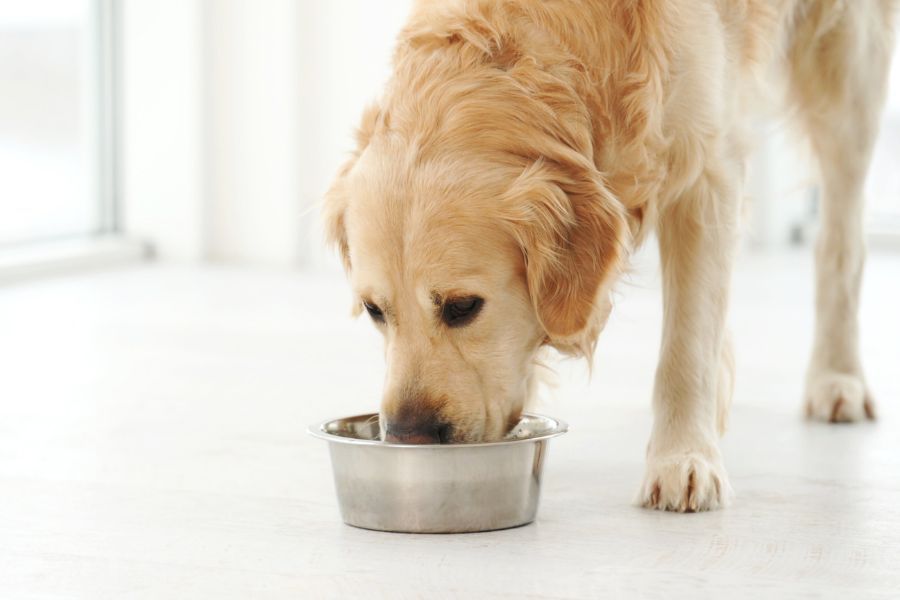
As dogs grow older, their bodies change just like ours do. They may slow down, gain or lose weight more easily, and develop new health concerns. What worked for your dog at age three may not be right at age ten. Adjusting your dog’s diet during their senior years is one of the most important steps you can take to support long-term health and comfort. Understanding your dog’s nutritional needs can help them stay active, comfortable, and happy well into their golden years.
When Is a Dog Considered a Senior?
The age at which a dog becomes a senior depends on their size and breed.
- Small dogs: Around 8–10 years old
- Medium dogs: Around 7–9 years old
- Large and giant breeds: Around 5–7 years old
Large dogs tend to age faster, which means they may need dietary adjustments earlier. Regular checkups at a trusted animal hospital can help you determine the right time to transition your dog to a senior diet.
Why Senior Dogs Need a Different Diet?
As dogs age, several changes happen in their bodies:
- Slower metabolism
- Reduced activity levels
- Joint stiffness
- Changes in digestion
- Increased risk of chronic diseases
Because of these changes, senior dogs usually need fewer calories but higher-quality nutrients. Feeding the same food they ate as a young adult can lead to weight gain or nutritional imbalances.
Key Nutritional Changes for Senior Dogs
1. Adjust Calorie Intake
Many senior dogs are less active. If you continue feeding the same amount of food, they may gain excess weight. Extra weight puts stress on joints and can worsen conditions like arthritis.
However, not all senior dogs gain weight. Some lose weight due to dental issues, digestive problems, or underlying illness. Monitoring body condition is essential in senior pet care.
Work with a trusted animal hospital to determine:
- Ideal weight
- Daily calorie needs
- Proper portion size
Avoid guessing. Even small portion changes can make a big difference over time.
2. Maintain High-Quality Protein
There is a common myth that senior dogs need low protein. In most cases, healthy senior dogs actually benefit from high-quality protein to maintain muscle mass.
Muscle loss is common in dogs as they age. Adequate protein helps:
- Preserve lean muscle
- Support immune function
- Promote strength and mobility
Unless your dog has kidney disease or another medical condition requiring restriction, protein remains essential. Always consult a veterinarian near me before lowering protein levels.
3. Support Joint Health
Joint stiffness is one of the most common concerns in older dogs. Nutrition can help manage discomfort and improve mobility.
Look for senior diets that include:
- Glucosamine
- Chondroitin
- Omega-3 fatty acids (like EPA and DHA)
These ingredients help reduce inflammation and support cartilage health. Combined with weight management, they are a key part of senior pet care.
4. Increase Fiber for Digestive Health
Older dogs can experience digestive changes such as constipation or irregular bowel movements. Moderate fiber can:
- Improve stool quality
- Support gut health
- Help with weight control
However, too much fiber can reduce nutrient absorption. A balanced approach is important. A trusted animal hospital can help you choose the right formula based on your dog’s specific needs.
5. Support Brain Health
Cognitive changes can occur in senior dogs, sometimes called canine cognitive dysfunction. Signs may include:
- Disorientation
- Changes in sleep patterns
- Increased anxiety
- Forgetting house training
Certain nutrients may help support brain health:
- Antioxidants
- Vitamin E
- Omega-3 fatty acids
- Medium-chain triglycerides (MCTs)
Early dietary adjustments can make a noticeable difference in mental sharpness.
6. Monitor Sodium and Phosphorus
As dogs age, heart and kidney health become more important. Some senior diets are formulated with controlled sodium and phosphorus levels to support these organs.
If your dog has been diagnosed with heart disease or kidney issues, expert prescription diets may be necessary. Always follow guidance from a veterinarian near me instead of switching foods on your own.
Wet Food vs. Dry Food for Senior Dogs
Many pet owners wonder whether they should switch to wet food as their dog ages.
Benefits of Wet Food:
- Easier to chew
- Higher moisture content
- Helpful for dogs with dental issues
Benefits of Dry Food:
- More convenient
- Often better for dental scraping
- Longer shelf life
Some families choose a combination approach. If your dog has dental disease, appetite changes, or difficulty chewing, a trusted animal hospital can recommend the best option.
Transitioning to a Senior Diet Safely
Never switch your dog’s food suddenly. A gradual transition helps prevent stomach upset.
Follow this 7–10 day process:
- Days 1–3: 25% new food, 75% old food
- Days 4–6: 50% new food, 50% old food
- Days 7–9: 75% new food, 25% old food
- Day 10: 100% new food
If vomiting, diarrhea, or appetite loss occurs, contact a veterinarian near you for guidance.
Signs Your Senior Dog’s Diet Needs Adjustment
Watch for these signs that your dog’s current diet may no longer be appropriate:
- Unexplained weight gain or loss
- Increased thirst or urination
- Dull coat
- Low energy
- Digestive issues
- Joint stiffness
Diet plays a major role in managing many age-related conditions. Regular wellness exams are essential in senior pet care to catch issues early.
Special Diets for Common Senior Conditions
Arthritis
Focus on weight control and anti-inflammatory nutrients.
Kidney Disease
Requires controlled phosphorus and protein levels.
Heart Disease
Often involves sodium restriction.
Diabetes
Needs carefully balanced carbohydrates and portion control.
Each condition requires individualized care. Never rely on generic advice when your dog has a medical diagnosis. A trusted Palmetto veterinary clinic can develop a customized nutrition plan.
The Role of Regular Wellness Exams
Diet adjustments should always be paired with routine bloodwork and physical exams. Many diseases in senior dogs develop slowly and show minimal early symptoms.
Annual or twice-yearly exams help:
- Monitor organ function
- Track weight trends
- Adjust nutrition appropriately
- Catch disease early
It is important to choose a team experienced in senior pet care to ensure your dog receives personalized guidance.
Healthy Treats for Senior Dogs
Treats should make up no more than 10% of daily calories. Choose options that are:
- Low in fat
- Easy to chew
- Limited in sodium
- Free of artificial additives
Healthy treat ideas may include:
- Small pieces of cooked lean chicken
- Blueberries
- Carrot slices (if easy to chew)
Always account for treats when calculating daily calorie intake.
Hydration Matters More Than Ever
Senior dogs are more prone to dehydration, especially if kidney function changes.
Encourage hydration by:
- Providing fresh water at all times
- Cleaning bowls daily
- Adding water to dry food
- Offering wet food if needed
If you notice excessive thirst, consult a trusted animal hospital promptly, as it may signal an underlying disease.
Creating a Nutrition Plan That Fits Your Dog
No two senior dogs are the same. Breed, size, activity level, and medical history all play a role in dietary needs.
A personalized approach through senior pet care ensures:
- Proper weight management
- Support for joints and mobility
- Strong immune function
- Improved quality of life
For families in Palmetto, FL, searching for a “veterinarian near me” can rely on Watson’s Friends Animal Hospital, as our experienced team provides individualized senior pet care that includes nutrition counseling designed specifically for dogs in our community.
FAQs
1. At what age should I switch my dog to senior food?
Ans: Most dogs transition between 7–10 years of age, depending on size and breed. Large breeds often need senior diets earlier. Your veterinarian can help determine the right timing.
2. Do senior dogs need less protein?
Ans: Not usually, healthy senior dogs benefit from high-quality protein to maintain muscle mass. Protein restriction is only recommended for certain medical conditions.
3. How often should senior dogs see the vet?
Ans: Senior dogs should ideally have exams every six months. Regular checkups are a key part of senior pet care and help catch issues early.
4. Can diet really help with arthritis?
Ans: Yes, weight control and nutrients like omega-3 fatty acids, glucosamine, and chondroitin can significantly support joint health.
5. Is grain-free food better for senior dogs?
Ans: Not necessarily, grain-free diets are not automatically healthier and may not be appropriate for all dogs. Always consult a veterinarian near me before changing diets.
6. What should I do if my senior dog stops eating?
Ans: Loss of appetite in older dogs can signal dental pain, illness, or digestive problems. Contact a trusted animal hospital in Palmetto, FL, for an evaluation as soon as possible.