Few things are more stressful for a pet parent than hearing the word “surgery.” Your mind races with questions. Is it safe? Will my pet be in pain? How long will recovery take? For families in Palmetto, Florida, these concerns are especially personal because pets are woven into everyday life, from morning walks to weekend adventures.
This blog is designed to gently pull back the curtain on veterinary surgery and explain what really happens before, during, and after a procedure. Whether your dog needs a routine spay or your cat requires a more complex operation, understanding the process helps you feel confident, calm, and prepared. With the right information and the right care team, surgery can be a positive step toward a longer, healthier life for your companion.
What This Means for Your Pet’s Health
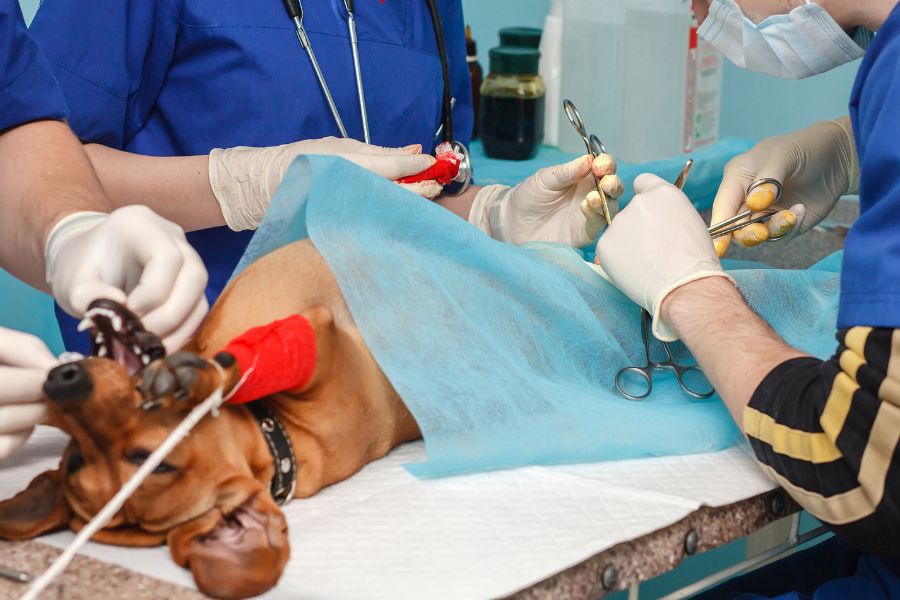
Veterinary surgery is not just about fixing a problem; it’s about restoring comfort, preventing future complications, and improving overall quality of life. Modern animal hospitals use advanced diagnostics, careful monitoring, and tailored anesthesia protocols to keep pets safe at every stage.
Once you’re past the initial consultation and diagnostics, surgery becomes a collaborative effort between you and your care team. Skilled Veterinarians in Palmetto, FL, often recommend procedures only when the benefits clearly outweigh the risks, whether that means removing a painful mass, repairing an injury, or addressing internal concerns that medication alone can’t solve. Surgical care today is far removed from outdated, high-risk perceptions. With proper preparation, detailed aftercare instructions, and follow-up visits, many pets recover faster than owners expect and return to their normal routines with renewed energy.
Key Benefits for Local Pet Owners
When surgery is handled by experienced professionals at trusted animal clinics, the advantages extend beyond the operating table:
- Pain relief and comfort: Many procedures eliminate chronic discomfort that pets can’t verbally express.
- Prevention of serious illness: Early surgical intervention can stop minor issues from becoming life-threatening.
- Improved mobility: Orthopedic procedures can restore movement and joy, especially in aging pets.
- Peace of mind: Knowing your pet is monitored by trained staff in a veterinarian hospital setting eases anxiety.
- Long-term savings: Addressing problems early can reduce the need for ongoing treatments later.
Local animal hospitals also understand regional factors like climate-related skin issues or lifestyle-related injuries that influence surgical decisions and recovery plans.
Practical Tips You Can Use at Home
While surgery itself happens in a controlled medical environment, your role at home is just as important. Preparation and aftercare directly impact how smoothly your pet recovers.
Before surgery:
- Follow fasting instructions carefully to reduce anesthesia risks.
- Keep your pet calm and avoid strenuous activity the day before.
- Prepare a quiet recovery space with soft bedding and limited access to stairs.
After surgery:
- Administer medications exactly as prescribed.
- Monitor incision sites daily for redness, swelling, or discharge.
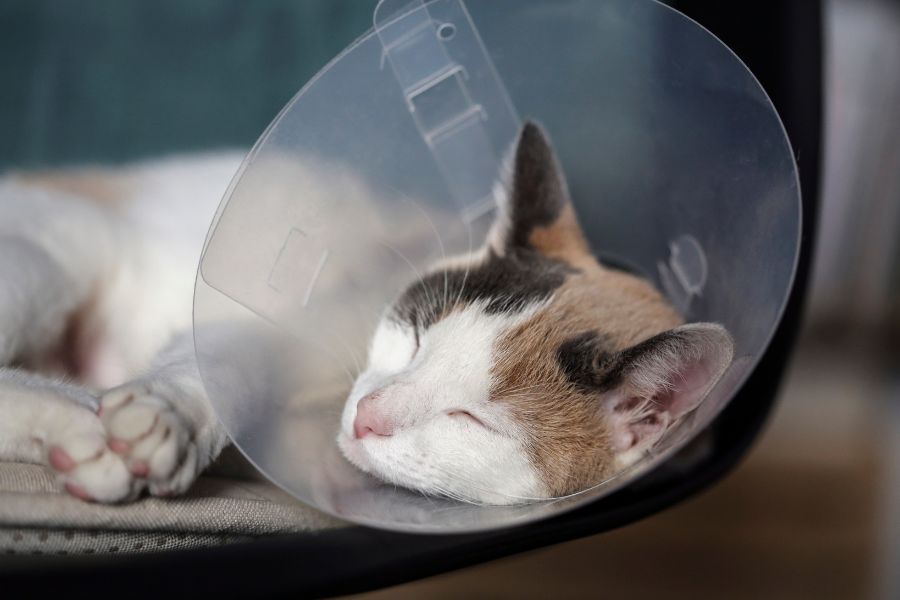
- Prevent licking or chewing with cones or protective garments.
- Stick to follow-up appointments at your chosen animal hospital.
These small, consistent steps help ensure that professional pet surgery care delivers the best possible outcome. Behind every successful procedure is a team that knows your pet as an individual, not just a patient file. The focus is on personalized care from initial consultation to full recovery at Watson’s Friends Animal Hospital. The veterinary team works closely with families, explaining options clearly and answering questions honestly.
As one of the trusted animal clinics in the area, the practice collaborates with experts, invests in modern surgical equipment, and follows strict safety protocols. This commitment allows Veterinarians in Palmetto, FL, to provide reliable surgical care while maintaining a warm, community-centered approach that local pet owners value.
How Our Veterinary Team Supports the Community
From routine procedures to advanced treatments typically associated with large animal hospitals, support doesn’t end when your pet goes home. Ongoing guidance and check-ins are part of the service, reinforcing trust and long-term wellness.
Veterinary surgery doesn’t have to feel overwhelming. When you understand the process, know what questions to ask, and partner with a caring veterinary hospital, surgery becomes a proactive step toward a healthier future for your pet. Reliable animal hospitals and compassionate professionals make all the difference, especially when clear communication and aftercare support are part of the experience.
If your pet has been recommended for surgery or if you simply want expert advice, don’t wait. Schedule an appointment today and take the first step toward peace of mind and lasting pet health with Watson’s Friends Animal Hospital. Families across Palmetto, Florida, continue to trust local veterinary teams because they see the results in happier, healthier pets
FAQs
Q1: What types of surgeries are most common for pets?
Ans: Routine procedures like spaying, neutering, dental extractions, and lump removals are among the most common. These surgeries are often preventative and can significantly improve long-term health.
Q2: Is anesthesia safe for dogs and cats?
Yes, when administered and monitored by trained professionals in a veterinary hospital. Pre-surgical testing and continuous monitoring greatly reduce risks.
Q3: How long does recovery usually take?
Ans: Recovery varies by procedure and pet age, but many pets feel better within a few days. Full healing may take several weeks, depending on the surgery.
Q4: Will my pet be in pain after surgery?
Ans: Some discomfort is normal, but pain management is a priority at modern animal clinics. Medications and care plans are designed to keep pets comfortable.
Q5: How do I know if surgery is really necessary?
Ans: A veterinarian will recommend surgery only when it’s the best option for your pet’s health. You should always feel comfortable asking questions and discussing alternatives.
Q6: When should I call the clinic after surgery?
Ans: Contact your animal hospital immediately if you notice excessive swelling, bleeding, lethargy, or if your pet refuses food or medication for more than a day.