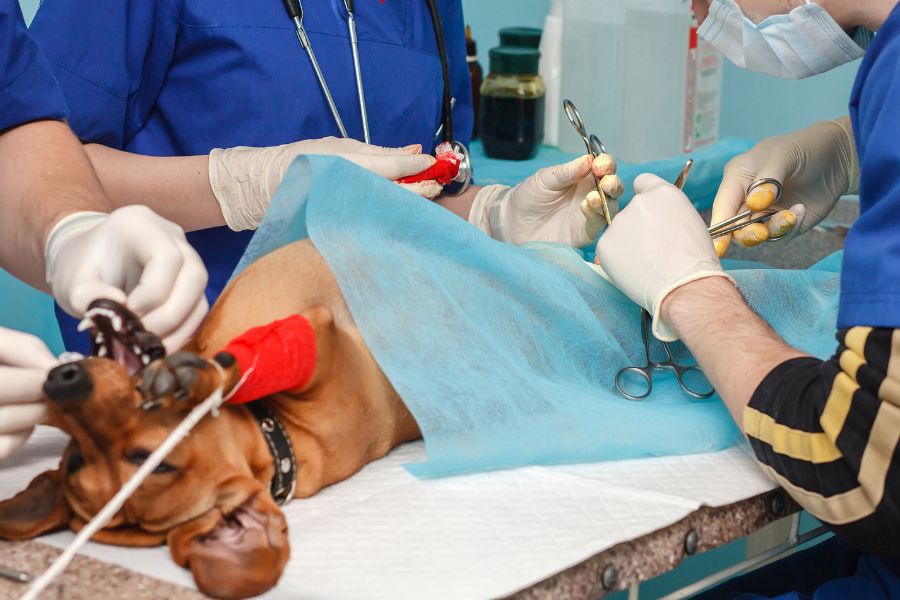
Bringing your pet home after surgery can be both reassuring and stressful. Your dog or cat may be sleepy, less active, or hesitant to eat for a while as they recover. Knowing what to expect and how to create a supportive recovery environment can help you feel more confident during those first few days.
For families in Palmetto, FL, having a clear post-surgical care plan can make recovery easier for both pets and their owners. Most pets need plenty of rest, careful supervision, and a temporary change to their normal routine. Your veterinarian’s discharge instructions should always be the primary guide because recovery needs vary by procedure and by pet.
Pet surgery can range from routine procedures to operations that require more involved recovery. Regardless of the procedure, protecting the surgical site, following medication instructions, limiting activity, and watching for changes can help support the healing process. Knowing when something seems unusual is just as important as knowing what normal recovery may look like.
What Is the Best Way to Care for a Pet After Surgery?
The best post-surgical care starts with following your veterinarian’s instructions closely. Keep your pet comfortable and calm, give medications exactly as prescribed, restrict activity as directed, and monitor their incision and overall condition.
Your pet may not immediately act like themselves after anesthesia or surgery. They may sleep more than usual or seem quieter for a short time. Give them a peaceful place to recover and avoid unnecessary activity while they regain their normal energy.
Prepare a Quiet Recovery Area
Before your pet comes home, create a comfortable space where they can rest without being disturbed. Keep bedding clean and make sure water is easily accessible.
Depending on the procedure, your pet may need to avoid stairs, jumping, running, or rough play. For dogs, bathroom trips may need to be brief and controlled. For cats, limiting access to high furniture or other places where they may jump can help reduce unnecessary strain.
If you have other pets or young children, consider giving your recovering pet some quiet time away from them. Even a normally friendly pet may prefer solitude while feeling tired or uncomfortable.
Give Medications Exactly as Prescribed
Your veterinarian may prescribe medications to help manage discomfort or support recovery. Follow the recommended dosage and schedule carefully, and never make changes without veterinary guidance.
Do not give human pain medication unless your veterinarian specifically instructs you to do so. Some medications that are safe for people can be harmful or even dangerous to pets.
If your pet refuses medication, vomits after receiving it, or seems unusually affected by it, contact your veterinary team for advice rather than adjusting the medication yourself.
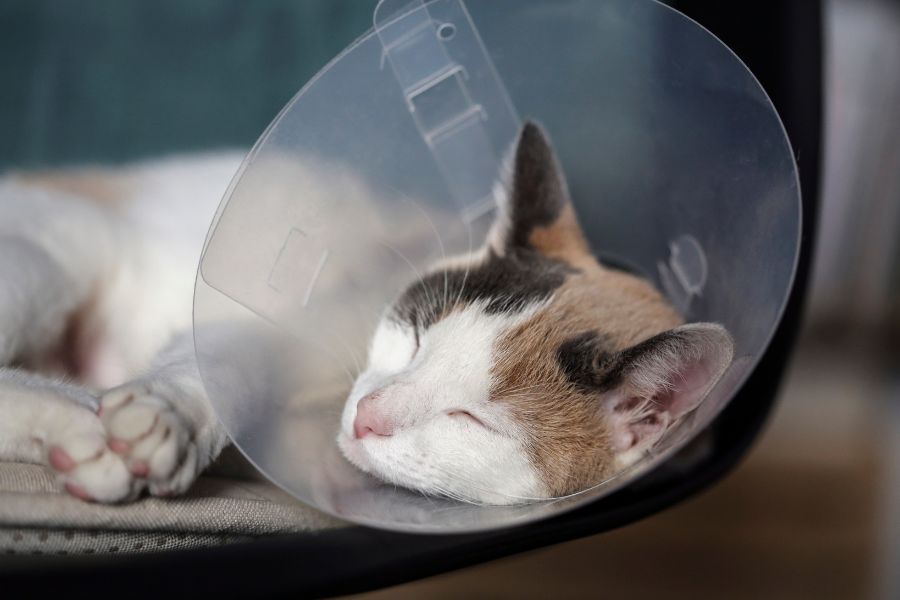
Prevent Licking or Chewing at the Incision
Pets do not always understand that licking or chewing a surgical incision can interfere with healing. They may repeatedly focus on the area because it feels unfamiliar or uncomfortable.
Your veterinarian may recommend an Elizabethan collar or another protective device to prevent your pet from reaching the incision. Use it as directed, particularly when you cannot supervise your pet.
Check the surgical area as instructed by your veterinary team. Avoid applying ointments, cleaners, or home remedies unless they have specifically recommended them.
Keep Activity Restricted During Healing
One of the biggest challenges after surgery is preventing your pet from doing too much too soon. A pet may appear energetic before the tissues involved in the procedure have fully healed.
Running, jumping, climbing, or rough play can place stress on the healing area. Follow the activity restrictions provided by your veterinarian, even if your pet seems ready to return to normal.
If your pet becomes restless during restricted activity, ask your veterinary team about safe ways to provide mental stimulation without interfering with recovery.
Monitor Eating, Drinking, and Behavior
Your pet’s appetite and energy may temporarily change after anesthesia or surgery. Your veterinarian can explain what changes are expected based on the procedure your pet received.
Keep an eye on eating, drinking, bathroom habits, energy, and general behavior. You may find it helpful to keep brief notes about medications and noticeable changes so you can provide accurate information if you need to contact the veterinary team.
A gradual return toward your pet’s usual routine can be encouraging. However, worsening or unexpected symptoms should be discussed with a veterinarian.
Watch the Surgical Site
Monitoring the incision is an important part of recovery. Follow your veterinarian’s instructions regarding how often to check it and what changes to watch for.
Increasing redness, significant swelling, bleeding, unusual discharge, or separation of the incision may require veterinary attention. Do not attempt to treat the area yourself unless your veterinary team has provided specific instructions.
Keeping your pet from licking or scratching the incision is also important because excessive attention can disrupt the healing process.
When Should You Contact a Veterinarian?
Contact your veterinarian if your pet’s recovery does not seem to be progressing as expected. Persistent vomiting, severe weakness, significant bleeding, worsening swelling, unusual discharge, an opening incision, or signs of substantial discomfort should be evaluated.
Difficulty breathing, collapse, inability to stand, or another sudden and serious change requires prompt veterinary attention.
If you are simply unsure whether a change is normal, it is appropriate to call your veterinary team. They know your pet’s procedure and medical history and can provide guidance specific to the situation.
Helping your pet recover after surgery involves more than simply allowing them to rest. A quiet environment, prescribed medications, appropriate activity restrictions, incision monitoring, and close observation can all support a smoother recovery.
If your pet has recently had surgery or is preparing for an upcoming procedure, Watson’s Friends Animal Hospital can provide guidance tailored to your companion’s needs. Schedule an appointment to discuss your pet’s surgical care and recovery plan with the veterinary team.
Frequently Asked Questions
Q1. How long does it take for a pet to recover after surgery?
Ans: Recovery time varies depending on the type of procedure, your pet’s overall health, and how healing progresses. Your veterinarian can provide a recovery timeline specific to your pet.
Q2. How can I make my pet comfortable after surgery?
Ans: Provide a quiet resting area, follow medication and activity instructions, keep the incision protected, and give your pet time to rest. Follow your veterinarian’s recommendations for feeding and normal activity.
Q3. What are warning signs after pet surgery?
Ans: Contact your veterinarian if you notice significant bleeding, worsening swelling, unusual discharge, an opening incision, persistent vomiting, severe weakness, breathing difficulties, or signs of significant discomfort.
Q4. Does Watson’s Friends Animal Hospital provide pet surgery?
Ans: Watson’s Friends Animal Hospital provides veterinary surgical care when a procedure is appropriate for a pet’s individual medical needs. The veterinary team can discuss the procedure and expected recovery with you.
Q5. Can Watson’s Friends Animal Hospital help with post-surgical care?
Ans: Yes. The veterinary team can provide individualized guidance about medications, activity restrictions, incision monitoring, follow-up care, and other recovery considerations.
Q6. When should I contact Watson’s Friends Animal Hospital after surgery?
Ans: Contact the hospital if you have concerns about your pet’s recovery or notice an unexpected change in their condition. The veterinary team can help determine whether further evaluation is needed.