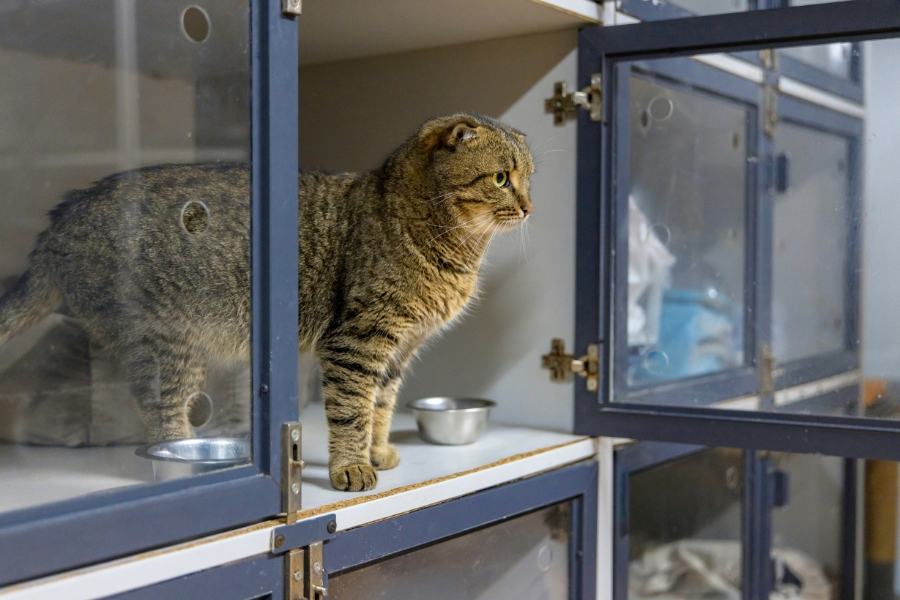
Pets often show signs of illness through changes in their daily habits. A dog that suddenly becomes weak, a cat that struggles to urinate, or a pet that repeatedly vomits may need prompt veterinary attention. Recognizing these changes helps you make informed decisions about your pet’s health.
For pet owners in Palmetto, FL, knowing when to seek urgent pet care can make responding to unexpected symptoms easier. Watson’s Friends Animal Hospital can help pet owners discuss health concerns and understand appropriate next steps.
Not every symptom requires emergency treatment, but severe or rapidly worsening changes should never be ignored. Understanding common warning signs can help you recognize when your pet needs immediate attention.
Which Symptoms Mean Your Pet May Need Urgent Care?
Dogs and cats can develop health problems with little warning. Some symptoms require immediate emergency care, while others need prompt veterinary evaluation.
1. Difficulty Breathing
Gasping, labored breathing, unusual breathing sounds, or blue, gray, or pale gums can indicate a serious medical problem.
What to do: Seek emergency veterinary care immediately. Keep your pet calm, minimize handling, and arrange safe transportation.
2. Repeated Vomiting or Persistent Diarrhea
Repeated vomiting or diarrhea can cause dehydration and may indicate an underlying health concern. Blood in vomit or stool, severe weakness, or an inability to keep water down makes the situation more concerning.
What to do: Contact a veterinary professional promptly. Seek emergency care for severe symptoms or suspected poisoning. Avoid medications and home remedies unless a veterinarian recommends them.
3. Sudden Weakness or Collapse
A pet that collapses, cannot stand, becomes unresponsive, or suddenly struggles to walk needs immediate attention. These symptoms can have several causes and should not be diagnosed at home.
What to do: Seek emergency veterinary care. Avoid forcing your pet to walk, and handle them gently during transportation.
4. Straining or Inability to Urinate
Repeated attempts to urinate, crying while urinating, or producing little or no urine may indicate a serious urinary problem. A urinary blockage is particularly dangerous in cats, especially males.
What to do: Seek immediate veterinary attention if your pet cannot urinate or repeatedly strains without producing urine. Do not wait for the problem to resolve on its own.
5. Seizures or Sudden Changes in Awareness
Seizures, disorientation, unusual unsteadiness, or reduced awareness can signal a serious health concern, even if your pet seems normal afterward.
What to do: Move nearby objects away to prevent injury. Never restrain your pet or put your hands in their mouth. Seek immediate veterinary guidance, especially for a first seizure, repeated seizures, or an episode lasting several minutes.
Other Warning Signs That Deserve Prompt Attention
Some medical problems begin with less obvious symptoms. Watch for these changes:
- Sudden abdominal swelling: A swollen abdomen with restlessness, discomfort, or unsuccessful retching can indicate a life-threatening emergency.
- Possible poisoning: Contact a veterinary professional immediately if your pet may have swallowed medication, chemicals, toxic plants, or another harmful substance. Do not wait for symptoms.
- Serious injuries or bleeding: Deep wounds, uncontrolled bleeding, and injuries from falls or vehicle accidents require urgent assessment.
- Loss of appetite: Refusing food becomes more concerning when accompanied by vomiting, weakness, pain, or other unusual changes.
- Sudden behavior changes: Hiding, persistent restlessness, unusual aggression, or reluctance to move may indicate pain or illness.
- Eye injuries or vision changes: Severe redness, squinting, cloudiness, or sudden vision loss should be evaluated promptly.
When symptoms are severe or potentially life-threatening, seek emergency care instead of waiting for a routine appointment.
What Should You Do When Your Pet Becomes Suddenly Ill?
Taking a few practical steps can help protect your pet and provide useful information to the veterinary team.
- Observe symptoms: Note when they began, how often they occur, and whether your pet is getting better or worse.
- Contact a veterinary professional: Describe the symptoms and follow the guidance provided.
- Avoid unapproved treatments: Human medications and home remedies can harm pets. Use them only when specifically directed by a veterinarian.
- Gather important information: Share your pet’s medical history, medications, allergies, and any possible exposure to harmful substances.
- Keep your pet comfortable: Minimize unnecessary movement if your pet is injured or weak.
- Act quickly during emergencies: Do not delay care for breathing difficulties, collapse, inability to urinate, or other severe symptoms.
How Watson’s Friends Animal Hospital Can Support Your Pet’s Care
Unexpected health concerns can leave pet owners unsure about what to do next. Watson’s Friends Animal Hospital serves pet owners in Palmetto, FL, and can be a resource for discussing veterinary concerns and available care options.
When contacting the team, explain your pet’s symptoms, when they started, and whether they have changed. Details about appetite, activity, recent injuries, medications, and possible toxin exposure can help communicate your concerns.
If your pet has severe or potentially life-threatening symptoms, seek emergency veterinary care immediately rather than waiting for a routine appointment.
Recognizing breathing problems, repeated vomiting, sudden weakness, urinary difficulties, and unusual behavior can help you respond when your pet needs medical attention. Contact us at 941-297-0880 to discuss your concerns and determine the appropriate next steps. Schedule an appointment for veterinary evaluation when needed, and seek emergency care immediately for life-threatening symptoms.
Frequently Asked Questions
Q1. What symptoms mean my pet needs urgent veterinary care?
Repeated vomiting, persistent diarrhea, unusual weakness, and sudden changes in behavior may require prompt evaluation. Difficulty breathing, collapse, suspected poisoning, and inability to urinate require immediate attention.
Q2. How can I tell if my pet’s symptoms are an emergency?
Severe or rapidly worsening symptoms, including breathing difficulties, unresponsiveness, uncontrolled bleeding, abdominal swelling with unsuccessful retching, or sudden inability to stand, may indicate an emergency.
Q3. Should I wait to see whether my pet’s symptoms improve?
Do not wait when symptoms are severe, worsening, or potentially life-threatening. For less severe but persistent changes, contact a veterinary professional for guidance.
Q4. How can Watson’s Friends Animal Hospital help when my pet develops unexpected symptoms?
Watson’s Friends Animal Hospital can help pet owners discuss health concerns and understand appropriate next steps. Describe your pet’s symptoms and how they have progressed when contacting the team.
Q5. What should I avoid doing when my pet suddenly becomes ill?
Avoid giving human medications, trying unapproved home remedies, or forcing your pet to eat or drink. Prioritize emergency veterinary care when severe symptoms occur.
Q6. What information should I share when discussing my pet’s health concerns?
Explain when symptoms began, how they have changed, and whether your pet is eating, drinking, urinating, and behaving normally. Medical history, medications, allergies, injuries, and possible toxin exposure are also useful details.