
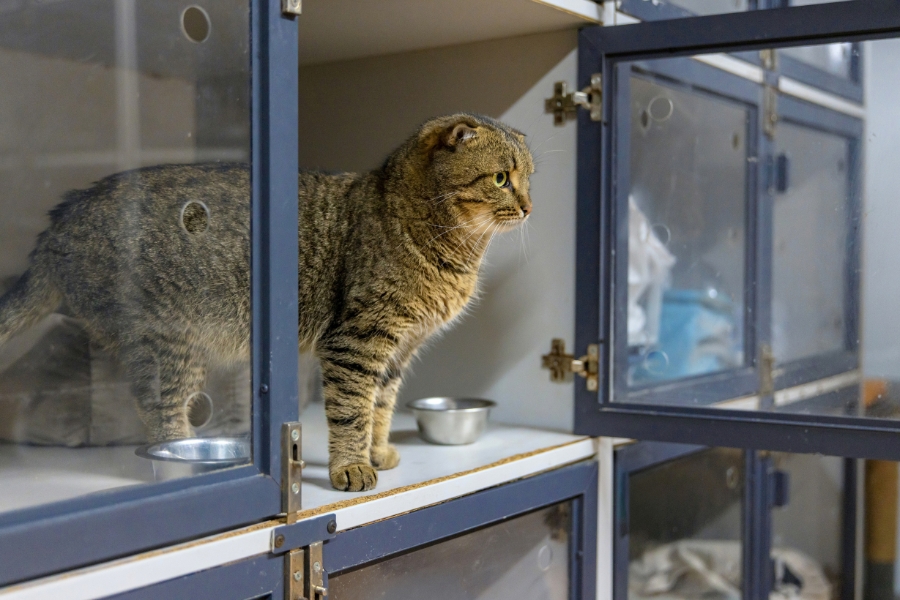
Cats are known for hiding discomfort. Many cats continue normal activities even when they are experiencing pain. This natural behavior can make it difficult for pet owners to notice serious health concerns early.
Sudden severe pain in cats can indicate injuries, internal problems, infections, or other conditions that require prompt attention. Recognizing the warning signs can help you take action before the condition becomes more serious.
At Watson’s Friends Animal Hospital in Palmetto, our veterinary team understands how stressful it feels when your cat suddenly appears unwell. We provide compassionate care for urgent health concerns and help determine the right next steps for your pet’s condition.
Why Do Cats Hide Pain?
Cats have evolved to hide weakness as a survival instinct. A cat that feels vulnerable may avoid showing obvious signs of discomfort.
Because of this, pain symptoms can sometimes appear subtle. Small changes in behavior may be the first indication that something is wrong.
Pet owners should watch for changes such as:
- Reduced activity
- Hiding more often
- Changes in appetite
- Unusual vocal sounds
- Avoiding touch
- Changes in grooming habits
When these signs appear suddenly, they should not be ignored.
Common Causes of Sudden Severe Pain in Cats
Sudden pain can develop because of several health issues. Some problems may require urgent vet care from a trusted professional like Dr. Brian Taylor.
Injuries From Accidents or Falls
Cats can experience injuries after falls, fights, or accidents. Even if there are no visible wounds, internal injuries may still exist.
Signs of injury may include:
- Limping
- Difficulty jumping
- Swelling
- Crying when touched
- Avoiding movement
A veterinarian can assess your cat and determine whether diagnostic testing or treatment is needed.
Urinary Problems
Urinary issues can cause significant discomfort, especially in male cats. A blocked urinary tract can become a serious medical concern.
Watch for signs like:
- Frequent trips to the litter box
- Straining to urinate
- Crying while urinating
- Producing little or no urine
- Licking the urinary area excessively
If your cat shows these symptoms, contact a veterinary team quickly.
Dental Pain and Oral Problems
Dental disease can cause intense discomfort in cats. Many cats continue eating despite oral pain.
Possible signs include:
- Dropping food
- Chewing on one side
- Bad breath
- Pawing at the mouth
- Avoiding hard food
Regular dental evaluations can help identify problems before they become severe.
Digestive Issues
Sudden abdominal discomfort may occur due to digestive problems. Your cat may show changes in eating habits or behavior.
Signs can include:
- Vomiting
- Diarrhea
- Loss of appetite
- Restlessness
- A tense abdomen
A veterinary examination can help identify the cause and provide appropriate care.
Signs Your Cat May Be Experiencing Severe Pain
Recognizing pain signs early can make a major difference in your cat’s health.
Here are important symptoms that need attention:
Sudden Changes in Behavior
A normally social cat may suddenly become withdrawn. Some cats hide because they do not feel well.
Other behavioral changes include:
- Aggression when touched
- Restlessness
- Excessive sleeping
- Avoiding family members
These changes may indicate discomfort.
Changes in Movement
Pain can affect how your cat moves around the home.
You may notice:
- Difficulty walking
- Trouble climbing stairs
- Reduced jumping
- Stiff posture
- Reluctance to move
Mobility changes should always be monitored carefully.
Vocal Changes
Some cats become more vocal when they are uncomfortable. Others become unusually quiet.
Pay attention to:
- Excessive meowing
- Growling
- Hissing
- Crying sounds
A sudden change in your cat’s normal communication style may signal pain.
Changes in Eating or Drinking
Pain can affect your cat’s interest in food and water.
Contact your veterinarian if your cat:
- Stops eating
- Drinks much more than usual
- Shows difficulty chewing
- Loses interest in treats
Changes in appetite can sometimes indicate an underlying health issue.
When Should You Seek Veterinary Care?
Some painful conditions require quick attention. Waiting too long may allow certain problems to worsen.
You should contact a veterinarian if your cat experiences:
- Severe pain after an injury
- Difficulty breathing
- Collapse or extreme weakness
- Uncontrolled bleeding
- Seizures
- Trouble urinating
- Sudden inability to walk
- Severe vomiting or diarrhea
We provide same-day urgent appointments for certain pet health concerns during business hours. Our team can help evaluate your cat’s condition and guide you on whether your pet needs care at our hospital or referral to an emergency facility.
How Veterinarians Diagnose Sudden Pain in Cats
A veterinarian begins with a detailed physical examination. This helps identify areas causing discomfort.
Depending on your cat’s symptoms, the veterinary team may recommend additional diagnostics.
These may include:
- Physical assessment
- Blood testing
- Imaging
- Other diagnostic evaluations
The goal is to understand the cause of pain and create an appropriate treatment plan.
How Watson’s Friends Animal Hospital Helps Cats With Urgent Concerns
When your cat is suddenly in pain, you need a veterinary team that understands your concerns. Our team provides compassionate veterinary care for cats and other pets in Palmetto. Our hospital offers wellness care, diagnostics, pain management, surgery, dental services, and emergency-related support.
We focus on identifying the problem, improving comfort, and helping pet owners understand available care options.
For cat owners searching for urgent vet care in Palmetto, contacting your veterinary team early can help your pet receive timely attention.
What Can Cat Owners Do Before Visiting the Vet?
If your cat appears to be in pain, follow these steps:
- Keep your cat calm and comfortable.
- Avoid handling painful areas.
- Place your cat safely in a carrier.
- Do not give human pain medications.
- Call your veterinarian before arriving.
Human medications can be dangerous for cats. Always consult a veterinary professional before giving any treatment.
How to Prevent Serious Pain Issues in Cats
While not every painful condition can be prevented, regular care can help identify problems earlier.
Helpful steps include:
- Scheduling routine wellness exams
- Monitoring behavior changes
- Maintaining dental care
- Watching appetite changes
- Keeping vaccinations updated
- Providing a safe home environment
Preventive care helps support your cat’s long-term health.
Get Specialized Compassionate Care for Your Cat in Palmetto
Seeing your cat suddenly experience pain can be frightening. Quick action can help protect your pet’s comfort and overall health. Cats often hide signs of discomfort, making it important to notice sudden changes in behavior, movement, or appetite.
The team at Watson’s Friends Animal Hospital provides compassionate veterinary care for cats facing unexpected health concerns. If your cat shows signs of severe pain, our Palmetto team can help evaluate the situation and recommend the right care approach.
For dependable urgent vet care, contact us at 941-841-7188 during business hours, and for cases after hours, check out our website for alternative options. Schedule a visit today and let our veterinary team provide your cat with the timely attention, comfort, and support they need during a painful or stressful situation.
FAQs
1. How can I tell if my cat is in severe pain?
Cats may show pain through hiding, behavior changes, vocalization, reduced movement, appetite changes, or avoiding touch. Sudden changes should be evaluated by a veterinarian.
2. Should I take my cat to the vet for sudden pain?
Yes, sudden severe pain should be taken seriously. A veterinarian can identify the cause and recommend appropriate care.
3. Why is my cat crying suddenly?
Sudden crying may occur because of pain, stress, injury, illness, or discomfort. A veterinary evaluation can help determine the reason.
4. Can cats recover from sudden injuries?
Many cats recover well when injuries receive timely veterinary attention. Treatment depends on the type and severity of the injury.
5. How do veterinarians treat pain in cats?
Treatment depends on the cause of pain. Veterinarians may recommend medications, supportive care, procedures, or other treatments.
6. Is hiding a sign that my cat is sick?
Yes, hiding can be a sign of illness or pain. Cats often isolate themselves when they feel uncomfortable.
7. When should I call a vet for my cat’s pain?
Call a veterinarian when pain appears severe, sudden, persistent, or occurs with symptoms like weakness, breathing problems, bleeding, or urination difficulties.