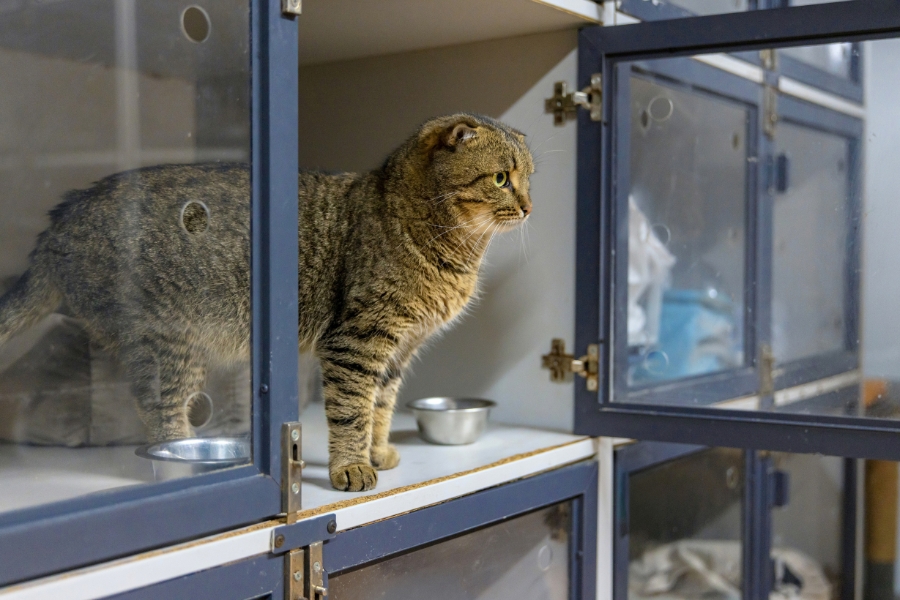

Pets can go from playful and energetic to unusually quiet, uncomfortable, or unwell in a surprisingly short time. A sudden change does not always mean a serious emergency, but it can be difficult for pet owners to know when to monitor symptoms at home and when to seek professional help. For families looking for urgent pet care in Palmetto, FL, recognizing warning signs early can make a meaningful difference.
Sudden vomiting, breathing changes, weakness, pain, confusion, or loss of appetite can have many possible causes. This guide explains what to watch for, what you can safely do while deciding on the next step, and when your pet needs prompt veterinary attention.
Why Can a Pet’s Health Change So Quickly?
Pets often hide discomfort, so health problems may not become obvious until symptoms are more noticeable. A condition that has been developing quietly can suddenly affect your pet’s behavior, appetite, energy, or mobility.
Some sudden changes may be relatively minor, while others can signal a medical problem that needs immediate attention. Common causes include:
- Stomach or intestinal problems
- Accidental ingestion of harmful substances
- Injuries or internal pain
- Heat-related illness
- Infections
- Allergic reactions
- Urinary problems
- Blood sugar changes
- Heart or breathing issues
- Complications from an existing condition
Because the same symptom can have different causes, avoiding assumptions is important. Your veterinarian can evaluate the full picture and determine whether your pet needs monitoring, testing, medication, or emergency treatment.
What Sudden Changes Should Pet Owners Watch For?
A sudden change in your pet’s normal routine deserves attention, especially when several symptoms appear together. You know your pet’s usual behavior better than anyone, so a noticeable departure from that routine can be an important clue.
Pay attention to changes such as:
1. Sudden Weakness or Extreme Lethargy
It is normal for pets to rest throughout the day. However, if your dog or cat suddenly seems too weak to stand, refuses to move, collapses, or is difficult to wake, the situation should be taken seriously.
Extreme weakness can occur with dehydration, illness, injury, poisoning, blood loss, or other serious problems.
2. Trouble Breathing
Breathing difficulties should never be ignored. Rapid breathing, obvious effort when breathing, open-mouth breathing in a cat, blue or pale gums, or unusual breathing sounds may indicate a serious problem.
Keep your pet calm and avoid unnecessary activity while arranging veterinary care.
3. Repeated Vomiting or Diarrhea
One isolated episode may not always require urgent treatment. However, repeated vomiting or diarrhea can quickly lead to dehydration, particularly in puppies, kittens, senior pets, and pets with other health concerns.
Blood in vomit or stool, severe weakness, abdominal discomfort, or repeated attempts to vomit without producing anything are additional reasons to seek prompt veterinary advice.
4. Sudden Pain or Unusual Behavior
Pets experiencing pain may hide, whine, pace, tremble, become unusually aggressive, avoid being touched, or repeatedly change positions because they cannot get comfortable.
A pet that suddenly refuses to climb stairs, walk normally, eat, or interact with family members may be communicating that something is wrong.
5. Seizures, Collapse, or Loss of Coordination
A seizure, collapse, severe disorientation, or inability to walk normally warrants immediate attention. During a seizure, keep your pet away from stairs and hard objects, avoid putting your hands near their mouth, and note how long the episode lasts.
If the episode continues, repeats, or your pet does not recover normally afterward, contact a veterinary professional promptly.
When Is It a Veterinary Emergency?
Some symptoms should be treated as emergencies rather than situations to watch overnight. If your pet has severe difficulty breathing, collapses, experiences a prolonged or repeated seizure, has uncontrolled bleeding, suffers a serious injury, or may have swallowed a toxic substance, seek veterinary care immediately.
Other concerning signs include:
- Pale, blue, gray, or very abnormal gums
- Severe abdominal swelling or pain
- Repeated unproductive retching
- Sudden inability to stand
- Severe bleeding
- Loss of consciousness
- Serious burns or trauma
- Suspected poisoning
- Difficulty urinating, especially in male cats
When in doubt, it is safer to contact a veterinary professional for urgent care rather than waiting for symptoms to become more severe.
What Should You Do Before Getting Veterinary Care?
When your pet becomes sick suddenly, staying calm can help you make better decisions. Start by observing your pet carefully and noting when the change began.
If possible, record useful details such as:
- What changed: Note unusual behavior, appetite changes, vomiting, diarrhea, coughing, limping, or other symptoms.
- When it started: Knowing whether symptoms began minutes or hours ago can help with the evaluation.
- Possible exposure: Think about medications, household chemicals, plants, foods, trash, or other substances your pet may have accessed.
- Recent events: Consider injuries, falls, outdoor activity, travel, heat exposure, or changes in routine.
- Current medications: Have a list of medications and supplements available for the veterinary team.
Do not give human medications unless a veterinarian specifically instructs you to do so. Some common human medicines can be dangerous or even life-threatening to pets.
What If Your Pet Seems Better After a Sudden Episode?
Improvement is encouraging, but it does not always mean the underlying issue has disappeared. Some conditions can cause symptoms that come and go, allowing a pet to appear normal temporarily.
For example, a pet may vomit once and return to normal, while another may have recurring episodes that point to a larger problem. Keep monitoring appetite, water intake, energy level, bathroom habits, breathing, and behavior.
If symptoms return or your pet continues acting differently from normal, schedule a veterinary evaluation. Early attention can help identify problems before they become more complicated.
How Can Palmetto Pet Owners Prepare for Sudden Health Problems?
Having a plan before an emergency happens can reduce stress. Pet owners in Palmetto can keep their veterinarian’s contact information easily accessible and know where to seek help if their regular veterinary office is unavailable.
A basic pet emergency plan should include:
- Your veterinarian’s phone number
- A nearby emergency veterinary option
- Your pet’s medical records
- A list of current medications
- Your pet’s vaccination information
- A safe carrier or transportation plan
- Basic information about possible household hazards
It is also helpful to regularly check your home and yard for potential dangers. Keep medications, cleaning products, toxic plants, chemicals, and unsafe foods out of your pet’s reach.
Palmetto’s warm Florida climate also makes heat awareness especially important. Avoid leaving pets in parked vehicles, provide access to fresh water, and be cautious about strenuous outdoor activity during hot weather.
Prevention Still Matters Even When Your Pet Looks Healthy
Preventive veterinary care is not only about vaccinations. Routine wellness visits allow your veterinarian to monitor weight, dental health, nutrition, behavior, and changes that may be difficult for owners to notice.
Regular examinations can also establish a baseline for your pet. If something changes later, your veterinary team has previous information to compare with the current situation.
Simple habits at home matter, too. Watch your pet’s eating and drinking patterns, keep track of bathroom habits, check for changes in mobility, and pay attention to personality changes. Small observations can sometimes provide important clues.
How to Know When to Stop Waiting
One of the hardest decisions for pet owners is determining whether a symptom will pass on its own. A useful approach is to consider the severity, duration, and combination of symptoms.
A mild symptom that happens once in an otherwise normal adult pet may be different from the same symptom occurring repeatedly alongside weakness, pain, or appetite loss.
Do not wait simply because your pet is young, usually healthy, or temporarily appears better. Puppies, kittens, senior pets, and animals with existing medical conditions may need quicker evaluation when something suddenly changes.
When your instincts tell you that your pet is behaving unusually or something does not look right, contacting a veterinary professional can help you determine the appropriate next step.
Your pet cannot explain when something feels wrong, so sudden changes in behavior, appetite, energy, or physical comfort deserve your attention. Acting early can help identify potential problems before they become more difficult to manage. If your pet suddenly seems different from normal, trust your observations and consider getting professional veterinary guidance.
If your pet has developed a new symptom, seems unusually tired, is eating differently, or simply does not seem like themselves, schedule an appointment for a professional evaluation. A timely checkup can provide answers and help you understand the best next step for your pet.
When you are concerned about a sudden change in your pet’s health, call 941-297-0880 to discuss your concerns with the veterinary team. Getting advice early can give you greater peace of mind and help your pet receive appropriate care when it matters most.
FAQs
1. What should I do if my pet suddenly becomes sick?
Ans: Observe the symptoms, keep your pet calm, and contact a veterinarian for guidance. Seek immediate care for severe symptoms such as breathing difficulty, collapse, uncontrolled bleeding, or suspected poisoning.
2. When should I take my pet to an emergency veterinarian?
Ans: Seek emergency veterinary care for serious breathing problems, collapse, seizures, severe injuries, poisoning, uncontrolled bleeding, or sudden inability to stand or urinate.
3. Can a pet seem fine even when something is wrong?
Ans: Yes, pets can hide discomfort and may temporarily appear normal between episodes. Persistent or recurring changes in appetite, behavior, energy, or mobility should be discussed with a veterinarian.
4. Should I give my pet human medicine for sudden symptoms?
Ans: No, unless a veterinarian specifically recommends it. Many human medications can be harmful to dogs and cats, even in relatively small amounts.
5. How can I prepare for a pet emergency in Palmetto, FL?
Ans: Keep your veterinarian’s contact information and your pet’s medical records readily available, know where to seek emergency care, and maintain a safe transportation plan for your pet.