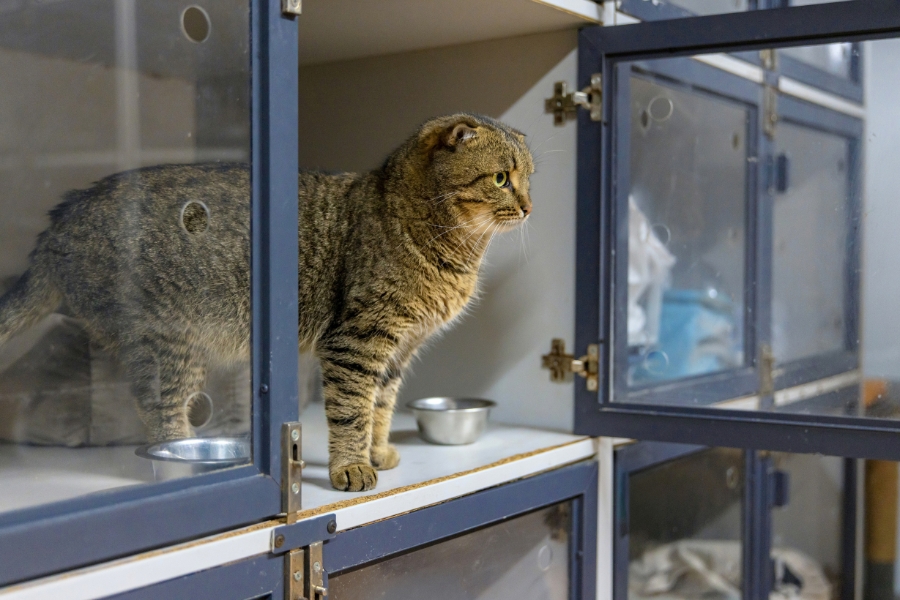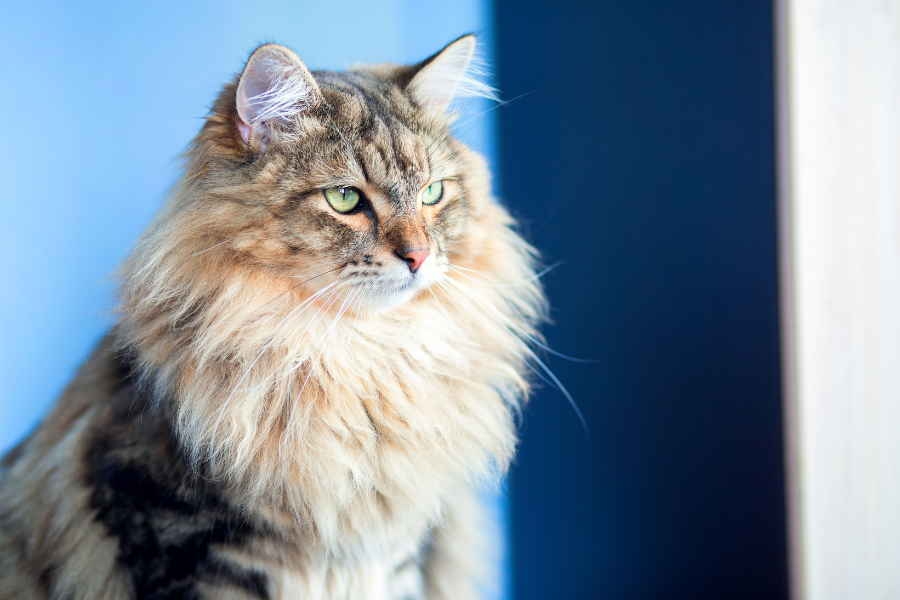

Few things worry pet owners more than seeing the food bowl empty, the water bowl lower, but no urine in the yard or litter box. A pet not urinating can signal a minor problem or a life-threatening emergency needing fast treatment. Some pets strain without producing urine. Others hide discomfort until the condition becomes severe. Knowing what signs mean can help protect your pet’s health and even save life. At Watson’s Friends Animal Hospital in Palmetto, FL, pet owners receive prompt care for urinary emergencies and other urgent health concerns. This guide explains possible causes, warning signs, treatment options, simple steps at home, and when immediate veterinary care becomes necessary.
Why Is My Pet Not Urinating, and Is It a Sign of Urgent Care?
Yes, pet not urinating can become an emergency, especially if your pet has gone many hours without producing urine while repeatedly trying. Complete urinary blockage prevents waste from leaving body, causing dangerous buildup of toxins and pressure inside bladder. Without treatment, condition can quickly become life threatening.
Not every case has same cause or same level of urgency. Some pets produce only small amounts because of dehydration, pain, or illness. Others cannot pass urine because blockage, injury, or nerve problem. Watching your pet closely helps identify warning signs, but veterinarian should always evaluate prolonged difficulty urinating.
Dogs and cats both develop urinary problems. Male cats, because of a narrow urethra, face an especially high risk for complete blockage. Dogs can develop bladder stones, prostate disease, infections, or injuries that interfere with normal urination. Recognizing the problem early often means simpler treatment, lower cost, and better recovery.
What Causes a Pet Not to Urinate?
Many conditions can stop or reduce urine flow. Some develop slowly, while others happen suddenly.
Common causes include:
- Urinary blockage from stones, plugs, or debris
- Bladder stones
- Severe dehydration
- Urinary tract infection
- Kidney disease
- Trauma affecting bladder or urinary tract
- Neurologic disorders
- Enlarged prostate in male dogs
- Pain after injury or surgery
Sometimes bladder fills normally, but urine cannot leave body because urethra becomes blocked. In other cases, kidneys stop producing enough urine because illness or dehydration.
Older pets often face several contributing factors at once. Young pets can also develop sudden blockages or injuries requiring urgent care. This is because many causes produce similar symptoms; examination and diagnostic testing remain important before starting treatment.
Signs and Symptoms to Watch For
Pets rarely tell owners exactly what hurts, but behavior changes often provide important clues.
Watch for signs such as:
- Frequent attempts to urinate with little or no urine
- Straining while urinating
- Crying or vocalizing during attempts
- Blood in urine
- Licking genital area repeatedly
- Accidents inside house
- Hiding or acting unusually quiet
- Swollen or painful abdomen
- Vomiting
- Loss of appetite
- Extreme tiredness
Cats may visit litter box repeatedly without producing urine. Dogs may squat often outside but produce only drops.
Some pets continue acting fairly normal early in the problem. Others decline rapidly once blockage becomes complete. Because symptoms can worsen within hours, waiting until the next day may become dangerous.
A pet unable to urinate while becoming weak, vomiting, or painful needs immediate veterinary attention.
How Vets Diagnose and Treat a Pet Not Urinating
The veterinarian first determines whether the bladder contains urine, whether a blockage exists, and whether the kidneys continue working properly.
Diagnostic tests may include:
- Physical examination
- Bladder palpation
- Urinalysis
- Blood work
- X-rays
- Ultrasound
Treatment depends on the underlying cause.
Possible treatments include:
- Relieving urinary blockage
- Emptying bladder safely
- Intravenous fluids
- Pain medication
- Antibiotics when bacterial infection confirmed
- Surgery for certain stones or injuries
- Hospital monitoring for severe cases
Consider a realistic example. Adult male cat arrives after owner notices repeated litter box visits with no urine for almost one day. Examination finds a firm, enlarged bladder. Veterinary team relieves blockage, provides fluids and pain control, then monitors recovery. Cat begins urinating normally before going home with follow-up instructions. Early treatment prevents life-threatening complications.
Every case differs, which makes professional evaluation essential instead of guessing cause at home.
What Pet Owners Can Do at Home
Home care supports recovery, but never replaces veterinary treatment when a pet cannot urinate. Waiting too long can allow the condition to become much more serious.
While preparing for a veterinary visit:
- Watch for any urine production
- Keep fresh water available unless veterinarian gives different instructions
- Prevent rough activity if pet appears painful
- Keep litter box clean and easy to reach for cats
- Note when pet last urinated
- Watch for vomiting, weakness, or swollen abdomen
- Bring urine sample if one can be collected easily
Do not:
- Force your pet to drink water
- Give human pain medicine
- Press on bladder
- Try home remedies for suspected blockage
- Delay care because pet still seems alert
Some owners mistake repeated squatting for successful urination. Check closely. Small drops, or no urine at all, can signal a serious problem. Recording symptoms with photos or short video can also help the veterinarian understand what happened before the visit.
When to See Vet
Every urinary problem deserves attention, but some need immediate emergency care.
Seek urgent care if your pet:
- Has not urinated for many hours
- Strains repeatedly without urine
- Cries while trying to urinate
- Has a swollen, painful abdomen
- Vomits along with urinary signs
- Becomes weak or collapses
- Has blood with little or no urine
- Stops eating and seems uncomfortable
Schedule a prompt appointment if your pet:
- Urinates much less than normal
- Has repeated urinary accidents
- Drinks much more than usual
- Shows mild discomfort during urination
Fast treatment often prevents kidney damage, bladder injury, and other serious complications. Never assume the problem will resolve without examination if your pet cannot pass urine normally.
What to Expect During Urgent Care Visit
The veterinary team first checks your pet’s overall condition, hydration, pain level, and bladder size. Stabilizing your pet comes before long testing if an emergency exists.
During visit, you can expect:
- Complete physical examination.
- Discussion of symptoms and timeline.
- Diagnostic testing if needed.
- Immediate treatment for blockage or severe illness.
- Recovery plan with home care instructions and follow up.
Many pets improve quickly once urine flows again. Others need hospitalization for monitoring, fluids, or additional procedures. Recovery depends on underlying cause, how long problem existed, and your pet’s overall health.
Prompt evaluation gives best chance for full recovery while reducing risk of permanent complications.
How to Help Prevent Future Urinary Problems
Not every urinary problem can be prevented, but healthy daily habits can lower risk and help catch problems before they become emergencies.
Helpful steps include:
- Keep fresh, clean water available at all times.
- Give balanced diet recommended for your pet.
- Let dogs outside often enough to urinate.
- Keep litter boxes clean and place enough boxes around home for cats.
- Watch for changes in urination habits.
- Maintain healthy body weight.
- Schedule routine wellness exams to catch health problems early.
Pay attention to small changes. Straining, frequent trips outside or to litter box, blood in urine, or reduced urine output may appear before the condition becomes severe. Early veterinary care often means simpler treatment and faster recovery.
Even with good prevention, urinary emergencies can still happen. If your pet suddenly cannot urinate or appears painful while trying, seek veterinary care immediately. Quick action gives best chance for successful treatment and helps prevent serious complications.
Conclusion
Seeing pet not urinating should never be ignored. Difficulty passing urine may result from dehydration, infection, stones, or complete urinary blockage, each requiring different treatment. Early recognition of warning signs and prompt veterinary care can prevent serious complications and improve recovery. If your pet has stopped urinating, strains without producing urine, or seems painful, seek veterinary care without delay. Watson’s Friends Animal Hospital in Palmetto, FL provides compassionate evaluation and urgent treatment to help your pet return to normal health as quickly and safely as possible. Call us at 941-297-0880 or schedule an appointment with us.
FAQs
Q1: What does it mean if my pet is not urinating?
A: Reduced or absent urination can result from dehydration, urinary blockage, kidney disease, bladder stones, or other medical conditions. Complete inability to urinate should always be treated as emergency.
Q2: How long can dog or cat go without urinating?
A: Healthy pets should urinate regularly throughout day. If your pet repeatedly tries without producing urine, or goes many hours with no urine while showing discomfort, seek veterinary care immediately.
Q3: Can urinary blockage go away on its own?
A: Complete urinary blockage rarely resolves safely without treatment. Delaying care increases risk of bladder damage, kidney injury, and life threatening complications.
Q4: How much does treatment for pet not urinating cost?
A: Cost depends on cause, diagnostic testing, medications, hospitalization, and whether surgery becomes necessary. Veterinary examination provides most accurate treatment estimate after diagnosis.
Q5: When should I take my pet to emergency veterinarian for urinary problem?
A: Go immediately if your pet strains without producing urine, cries during urination, has swollen abdomen, vomits, becomes weak, or has blood with little or no urine. Fast treatment often makes significant difference in recovery.