Dogs captivate us with their quirky routines, and one of the most fascinating is the habit of circling before lying down. While it may look like a harmless ritual, this behavior has roots that stretch back thousands of years and still serves an important role in your pet’s daily comfort.
Interestingly, as dogs grow older, this instinctual habit may shift in meaning, signaling changes in mobility, health, and emotional needs. By understanding why dogs spin before settling in, pet owners can better support their furry companions—especially in their senior years.
A Glimpse Into the Wild: Instincts That Linger
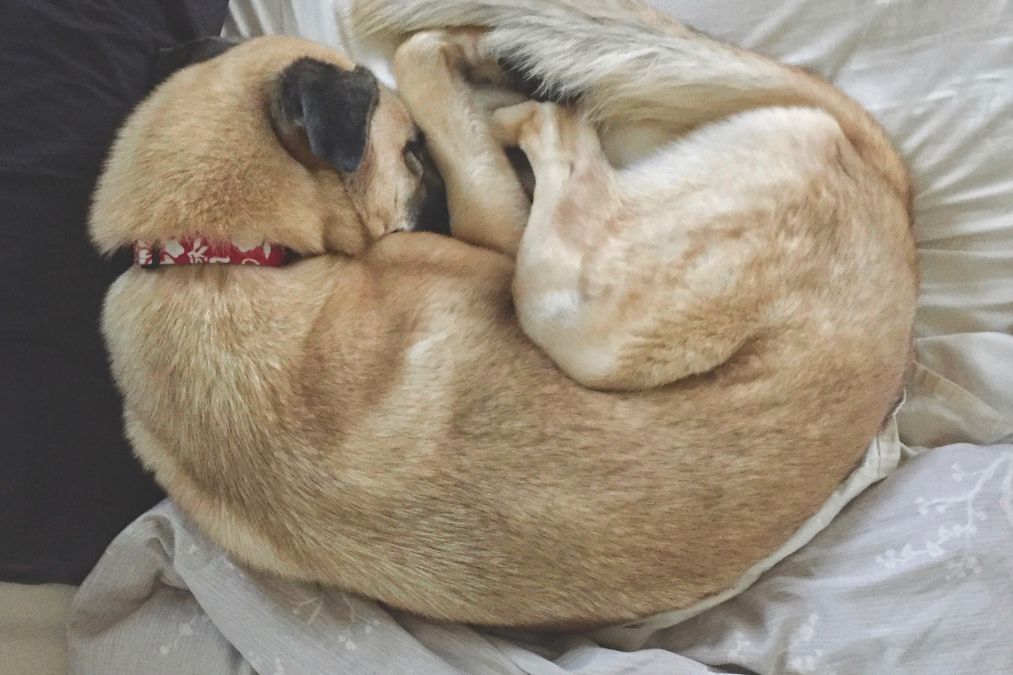
Before they became our beloved companions, dogs lived in the wild, where survival depended on sharp instincts. Circling helped them create a safe resting spot by flattening grass, scaring off insects, and checking for hidden predators. This simple action ensured they had both comfort and security before they closed their eyes.
Although modern dogs enjoy the safety of cushioned beds and warm homes, the instinct remains deeply ingrained. Watching your dog spin before curling up is like seeing a shadow of their ancestral past come alive in your living room.
The Comfort Factor: A Built-In Bed-Making Routine
Beyond survival instincts, circling has a practical side. Just as humans fluff pillows or adjust blankets, dogs spin to prepare a comfortable surface. The repeated turning redistributes their body weight and allows them to find the perfect position to relax their muscles.
For senior dogs, comfort becomes even more critical. Age often brings stiffness, arthritis, and joint discomfort. The circling motion may be their way of easing tension, testing positions, and ensuring their body feels supported before resting.
Circling as a Communication Cue
Dogs don’t just circle for themselves—they sometimes use the action as a subtle form of communication. Spinning may signal to other pets or humans that they are preparing to settle down. In multi-pet households, this can serve as a polite warning: “This space is mine.”
When senior dogs circle excessively, however, it may also reflect restlessness or discomfort. Paying attention to these cues can help owners recognize when their pet might need extra support, such as orthopedic bedding or a medical checkup.
Senior Pets and the Circling Connection
The circling habit takes on new meaning as dogs age. While a young dog may spin out of pure instinct or playfulness, older dogs may circle because of physical limitations or cognitive changes. Conditions like arthritis, hip dysplasia, or canine cognitive dysfunction can make it difficult for them to settle comfortably.
Here’s where attentive care comes in. Senior pet care requires a deeper understanding of both physical and behavioral changes. If your senior dog circles excessively or appears uncomfortable after multiple attempts, it may be time to explore solutions like pain management, physical therapy, or simply adding more supportive bedding. Pet owners in Florida, for instance, often search for senior pet care in Palmetto, FL, options that address both medical needs and lifestyle adjustments.
When Circling Signals Trouble
Although circling is normal, certain signs indicate it might be more than just a habit. Watch for:
- Excessive Circling: Repeated spinning without settling could point to pain or neurological issues.
Whining or Restlessness: Vocalizations combined with circling suggest discomfort.
Difficulty Lying Down: If your dog struggles to transition from circling to resting, joint problems might be the cause.
In such cases, seeking veterinary advice is the best way to rule out serious health concerns.
Helping Your Dog Settle Comfortably
Supporting your dog’s circling routine, especially in their golden years, makes a world of difference. Here are a few practical steps:
- Choose orthopedic or memory foam bedding to ease joint pressure.
- Maintain a regular exercise routine tailored to your dog’s age and mobility.
- Keep nails trimmed, as long nails can make circling uncomfortable.
- Create a quiet, safe space where your dog can complete their ritual without disturbance.
By blending instinct with modern care, you can ensure your pet enjoys both comfort and reassurance.
Embracing the Ritual with Understanding
Circling before lying down may seem like a simple quirk, but it’s a behavior layered with history, instinct, and physical needs. For senior dogs, it often reflects the delicate balance between habit and health. As pet parents, embracing this ritual with awareness allows us to spot early signs of discomfort while appreciating the unique bond we share with our canine companions.
Ultimately, circling is more than just spinning—it’s a reminder of where dogs come from and how deeply they trust us to provide the comfort and safety they once created for themselves.