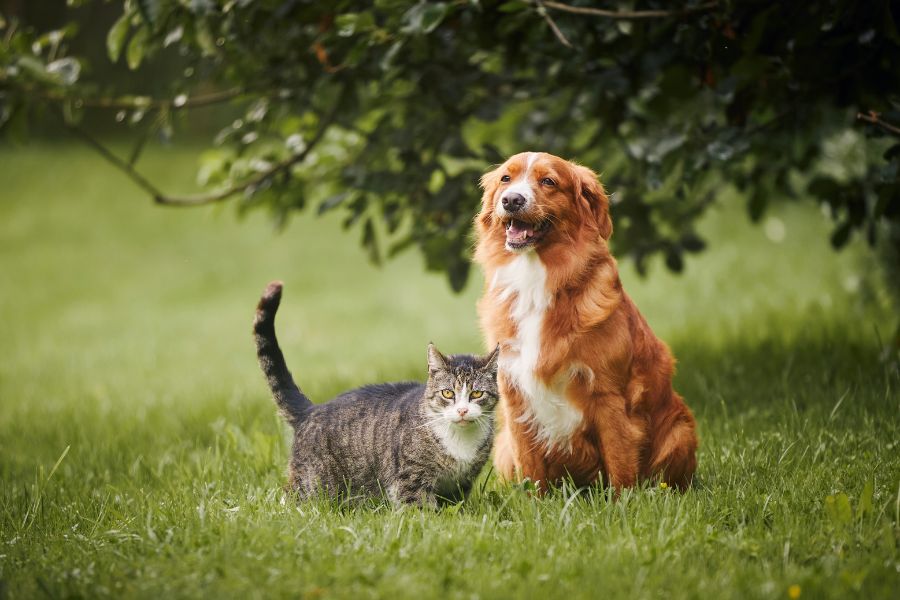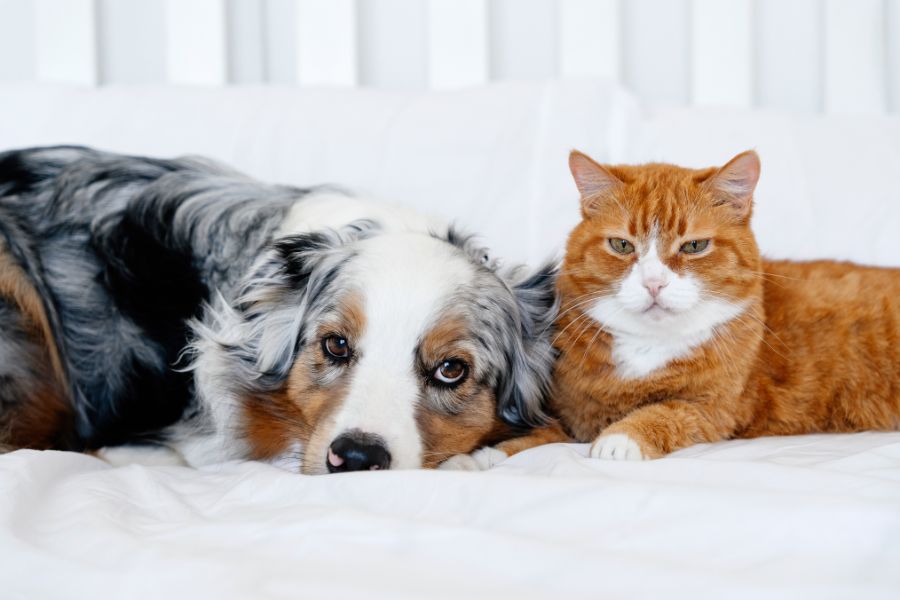
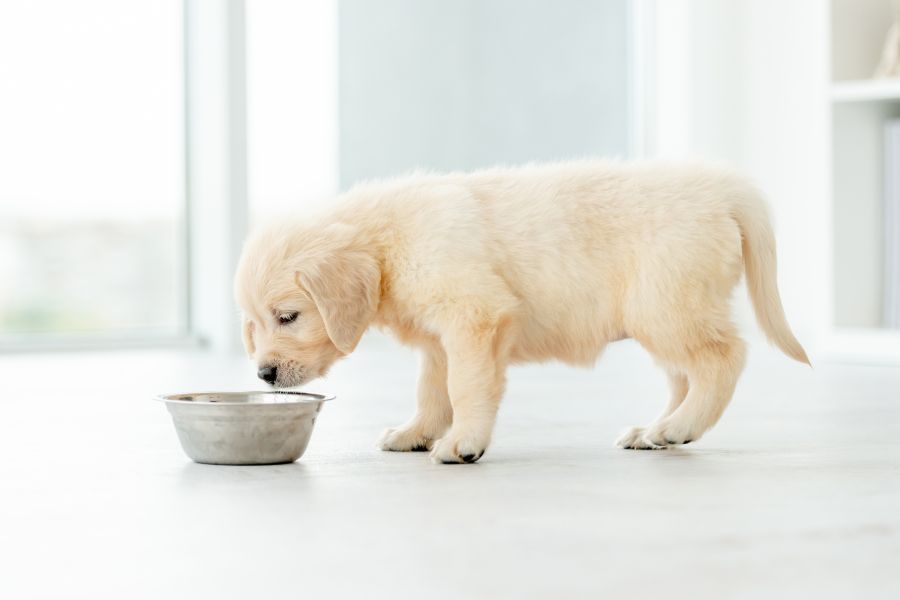
Bringing home a new furry companion is exciting, but knowing what to feed a puppy or kitten at 8 weeks is essential for their health and growth. At this stage, their nutritional needs are unique and require special attention. In this guide, we’ll break down exactly what your puppy or kitten can eat, how often to feed them, and common mistakes to avoid.
What Should a Puppy or Kitten Eat at 8 Weeks?
At 8 weeks old, both puppies and kittens are typically weaned from their mother’s milk and ready to transition to solid food. However, their digestive systems are still developing, so they need nutrient-rich, easy-to-digest meals.
For Puppies:
Puppies should eat high-quality puppy-specific food that supports rapid growth and energy needs.
- Choose food labeled “complete and balanced” for puppies
- Look for protein sources like chicken, beef, or fish
- Ensure it contains DHA for brain development
- Opt for a small kibble size or softened dry food
You can also mix dry kibble with warm water or puppy formula to make it easier to chew.
For Kittens:
Kittens require kitten-specific food that is rich in protein and fat.
- High animal protein content is essential
- Include taurine, which supports heart and eye health
- Soft wet food is often easier for young kittens
- Offer a mix of wet and dry food for balanced nutrition
How Often Should You Feed a Puppy or Kitten?
Feeding frequency plays a major role in your pet’s development. At 8 weeks, both puppies and kittens have small stomachs but high energy needs.
Recommended Feeding Schedule:
Puppies:
- 4 meals per day
- Small, evenly spaced portions
- Gradually reduce to 3 meals by 3–4 months
Kittens:
- 3 to 4 meals per day
- Keep portions small but frequent
- Free feeding (leaving food out) may work for some kittens
Consistency is key. Try to feed your puppy or kitten at the same times each day.
Wet vs Dry Food: What’s Better?
Many new pet owners wonder whether wet or dry food is better for a puppy or a kitten.
Wet Food Benefits:
- Easier to chew and digest
- Helps with hydration
- More appealing to picky eaters
Dry Food Benefits:
- Supports dental health
- More convenient and cost-effective
- Longer shelf life
Best approach: A combination of both can provide balanced nutrition and variety.
Foods to Avoid for Puppies and Kittens
Not all foods are safe for young pets. Feeding the wrong items can lead to digestive issues or serious health risks.
Avoid These Foods:
- Chocolate
- Onions and garlic
- Grapes and raisins
- Cow’s milk (can cause diarrhea)
- Raw meat or eggs
- Processed human foods
Stick to food specifically made for a puppy or kitten to ensure safety and proper nutrition.
Transitioning to Solid Food
If your pet is newly weaned, you may need to help them adjust to solid food.
Tips for a Smooth Transition:
- Start with softened kibble or wet food
- Gradually reduce moisture over 7–10 days
- Monitor for digestive issues like diarrhea
- Keep fresh water available at all times
Patience is important. Every puppy or kitten adapts at their own pace.
Signs Your Puppy or Kitten Is Eating Well
A healthy diet shows in your pet’s behavior and physical condition.
Look for These Positive Signs:
- Steady weight gain
- High energy levels
- Shiny coat
- Normal stool consistency
- Good appetite
If you notice lethargy, vomiting, or lack of appetite, consult your veterinarian promptly.
Common Feeding Mistakes to Avoid
New pet parents often make small mistakes that can impact their pet’s health.
Avoid These Common Errors:
- Overfeeding or underfeeding
- Switching foods too quickly
- Feeding adult pet food too early
- Giving too many treats
- Ignoring portion guidelines
Always follow feeding instructions on the packaging and adjust based on your pet’s needs.
When to Talk to a Veterinarian
While general feeding guidelines are helpful, every puppy or kitten is unique. Breed, size, and health conditions can affect dietary needs.
Consult your vet if:
- Your pet refuses to eat
- You notice sudden weight loss or gain
- There are signs of allergies or digestive issues
- You need help choosing the right food
Early guidance can set your pet up for a lifetime of good health.
Feeding a puppy or kitten at 8 weeks doesn’t have to be confusing, and dedicated puppy and kitten care can help in getting the necessary guidance. Focus on high-quality, age-appropriate food, maintain a consistent feeding schedule, and avoid harmful ingredients. With the right nutrition, your new companion will grow into a healthy, happy pet.
If you need personalized feeding advice or a wellness check, schedule an appointment with Watson’s Friends Animal Hospital in Palmetto, FL, today and give your pet the best start in life.
FAQs:
Q1: What is the best food for an 8-week-old puppy or kitten?
Ans: The best food is a high-quality, species-specific formula labeled for puppies or kittens, rich in protein and essential nutrients.
Q2: Can a puppy or kitten drink regular milk?
Ans: No, cow’s milk can cause digestive upset. Stick to water or specially formulated pet milk replacers if needed.
Q3: How much should I feed my 8-week-old puppy or kitten?
Ans: Portion sizes depend on weight and breed, but generally, small, frequent meals 3–4 times daily are recommended.
Q4: Is it okay to give treats to a puppy or kitten?
Ans: Yes, but in moderation. Choose treats made specifically for young pets and avoid overfeeding.
Q5: When can I switch my puppy or kitten to adult food?
Ans: Puppies usually transition around 12 months, while kittens can switch at about 10–12 months, depending on their growth.