
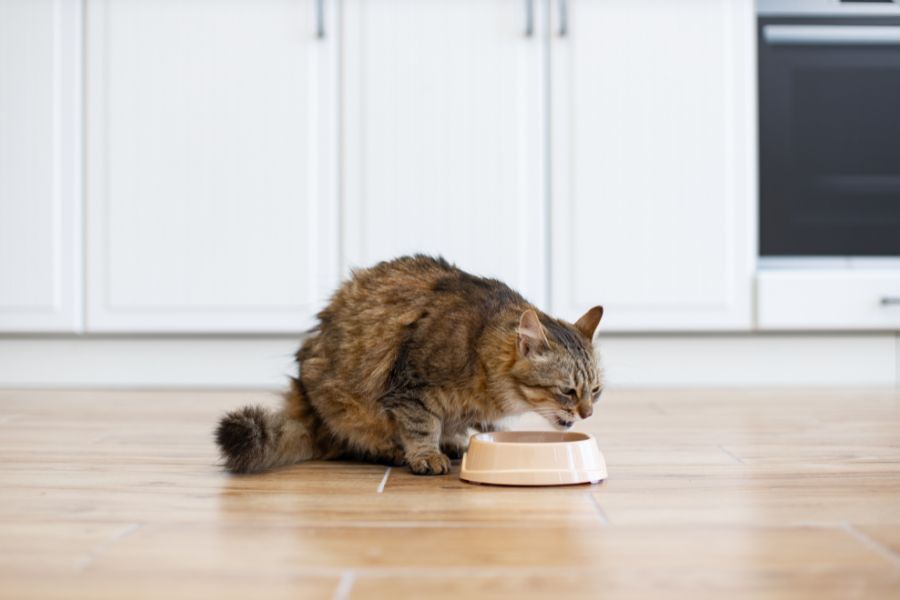
If your cat has recently been diagnosed with diabetes, you may be feeling overwhelmed. Between insulin injections, blood sugar monitoring, and diet changes, it can feel like a lot to manage. The good news? Nutrition plays a powerful role in helping diabetic cats live long, healthy lives. One of the most important parts of a diabetic cat’s diet is fiber. When used properly, fiber can help regulate blood sugar levels and support better overall health. Vet hospitals work closely with pet parents to build personalized diabetes care plans. This guide will walk you through how fiber makes a difference.
Understanding Feline Diabetes
Diabetes in cats happens when the body either does not produce enough insulin or cannot use insulin properly. Insulin helps move sugar (glucose) from the bloodstream into cells for energy. When insulin is not working correctly, blood sugar levels rise.
Common signs of diabetes in cats include:
- Increased thirst
- Frequent urination
- Weight loss despite normal appetite
- Lethargy
- Poor coat condition
While insulin therapy is often necessary, diet is just as important in managing the condition.
Why Diet Matters for Diabetic Cats
Cats are natural carnivores. Their bodies are designed to use protein and fat for energy, not large amounts of carbohydrates. When a cat eats high-carb food, blood sugar levels can spike quickly.
A proper diabetic diet typically focuses on:
- High protein
- Low carbohydrates
- Controlled fat
- Appropriate fiber
Fiber plays a special role in stabilizing blood sugar levels.
What Is Fiber and Why Is It Important?
Fiber is a type of carbohydrate that the body cannot fully digest. Unlike simple carbohydrates, fiber does not cause a quick rise in blood sugar.
There are two main types of fiber:
1. Soluble Fiber
- Dissolves in water
- Forms a gel-like substance in the digestive tract
- Slows down digestion and sugar absorption
2. Insoluble Fiber
- Does not dissolve in water
- Adds bulk to stool
- Supports healthy digestion
Both types of fiber can benefit diabetic cats when included in the right amounts.
How Fiber Helps Regulate Blood Sugar in Diabetic Cats
1. Slows Sugar Absorption
Fiber slows the rate at which food moves through the digestive system. This means glucose enters the bloodstream more gradually. Instead of sharp spikes in blood sugar, fiber helps create steadier levels.
Stable blood sugar is critical for diabetic cats because it:
- Reduces stress on the body
- Helps insulin work more effectively
- May lower insulin dosage needs (under veterinary supervision)
2. Improves Insulin Sensitivity
Certain types of fiber can improve how the body responds to insulin. When insulin sensitivity improves, the body can use glucose more efficiently.
This can help prevent sudden blood sugar swings and may even support remission in some cats when caught early.
3. Supports Healthy Weight Management
Many diabetic cats are overweight at the time of diagnosis. Extra body fat can make insulin resistance worse.
Fiber helps cats feel fuller for longer without adding extra calories. This supports safe weight loss and weight management, which is essential for controlling diabetes.
4. Promotes Digestive Health
A healthy digestive system supports overall wellness. Fiber encourages beneficial gut bacteria, improves stool quality, and reduces constipation or diarrhea.
When digestion is stable, blood sugar regulation is often more predictable.
Best Fiber Sources for Diabetic Cats
Not all fiber sources are equal. Cats require carefully balanced nutrition, so it’s important to consult your veterinarian before making changes.
Here are some common fiber sources that may be included in diabetic cat diets:
Pumpkin (Plain, Unsweetened)
- Rich in soluble fiber
- Supports digestion
- Must be used in small amounts
Low-Carb Vegetables (Vet-Approved)
- Small portions of fiber-rich vegetables
- Must be safe and properly prepared
Prescription Diabetic Cat Foods
- Specially formulated with balanced fiber levels
- Designed for blood sugar control
- Often recommended by veterinarians
Fiber Supplements (Only Under Veterinary Guidance)
- Psyllium husk (in specific cases)
- Must be dosed carefully
This is because cats are obligate carnivores; too much fiber can actually reduce nutrient absorption. That’s why professional guidance is essential.
Wet Food vs. Dry Food for Diabetic Cats
In most cases, veterinarians recommend high-protein, low-carb canned (wet) food for diabetic cats. Wet food:
- Contains fewer carbohydrates
- Provides more moisture
- Helps with weight control
Some prescription dry foods are designed for diabetic cats, but many over-the-counter dry foods are too high in carbohydrates.
Foods to Avoid for Diabetic Cats
Managing diabetes also means knowing what not to feed.
Avoid:
- High-carb dry kibble
- Foods with corn, wheat, or rice as main ingredients
- Sugary treats
- Human snacks
- Gravies are high in starch
Even small amounts of high-carb foods can cause blood sugar spikes.
The Importance of Veterinary Guidance
Every diabetic cat is different. Age, weight, activity level, and overall health all play a role in determining the right diet.
A proper veterinary guidance provides:
- Blood sugar monitoring
- Nutritional counseling
- Insulin management plans
- Ongoing diabetic care
- Weight management support
Can Fiber Cure Diabetes in Cats?
Fiber alone cannot cure diabetes. However, when combined with:
- Insulin therapy
- Proper nutrition
- Weight management
- Regular vet visits
It can dramatically improve your cat’s quality of life. In some cases, early and aggressive dietary management may help cats achieve diabetic remission. This means they no longer require insulin, though they still need monitoring.
Creating a Diabetes Care Plan
Managing feline diabetes takes teamwork. You, your veterinarian, and your cat all play important roles. If you are searching for a trusted “vet near me”, then Watson’s Friends Animal Hospital in Palmetto, FL, believes in personalized preventive care. We don’t take a one-size-fits-all approach. Instead, we:
- Evaluate your cat’s health history
- Review lab work
- Assess current diet
- Design a customized nutrition and insulin plan
- Schedule regular follow-ups
Fiber is a powerful tool in managing diabetes in cats. It helps regulate blood sugar, supports weight control, and promotes better digestion. When used correctly as part of a balanced, low-carb diet, fiber can make a meaningful difference in your cat’s health.
If your cat has diabetes and you need guidance, don’t navigate it alone. Contact Watson’s Friends Animal Hospital in Palmetto, FL, today to schedule a consultation and build a personalized diabetes care plan. Your cat deserves the best care and we’re here to provide it.
FAQs
1. How much fiber should a diabetic cat eat?
Ans: The right amount depends on your cat’s health, weight, and insulin needs. Too much fiber can interfere with nutrient absorption. Always consult your veterinarian before adjusting fiber levels.
2. Can I add pumpkin to my diabetic cat’s food?
Ans: Yes, plain canned pumpkin (not pie filling) can be added in small amounts. However, always check with your vet first to ensure it fits your cat’s specific diet plan.
3. Is wet food better than dry food for diabetic cats?
In many cases, yes. Wet food is usually lower in carbohydrates and higher in moisture, making it a good choice for diabetic cats. Your veterinarian can recommend the best option.
4. Can fiber reduce my cat’s insulin dose?
Ans: In some cases, improved diet and blood sugar stability may reduce insulin needs. However, never adjust insulin without veterinary guidance.
5. What are the signs my cat’s blood sugar is too high?
Ans: Common signs include increased thirst, frequent urination, weight loss, and lethargy. Contact your veterinarian immediately if you notice these symptoms.
6. When should I see a vet for my diabetic cat?
Ans: You should schedule regular check-ups every few months or as recommended. If you notice changes in appetite, behavior, or urination, contact a proper veterinary hospital right away.