You know your pet’s routine better than anyone. You know which sound gets your dog off the couch, when your cat usually asks for breakfast, how excited they become when the leash comes out, and where they prefer to sleep. That familiarity can make subtle changes surprisingly easy to spot—but it can also make them easy to explain away.
With an older pet, a change in routine deserves a little curiosity. A slower walk may be related to aging, but it could also reflect discomfort. A cat that suddenly sleeps in a different room may simply want a quieter space, or the change could be connected to how they are feeling. For families looking for senior pet care in Palmetto, FL, learning to notice these differences can be an important part of supporting an aging companion.
Your Pet’s Routine Is a Health Clue
Think of your pet’s daily routine as a series of small signals.
A healthy older pet does not have to behave exactly as it did five years ago. What matters more is whether its current habits remain stable. When something changes and stays changed, that is when it becomes useful information.
For example, consider a senior dog that normally spends the evening following family members around the house. If that dog suddenly chooses to remain in one spot, the change itself is worth noticing—even if there are no obvious signs of illness.
The question is not always, “Does my pet look sick?”
A better question is:
“What is my pet doing differently?”
Look at the Day in Small Pieces
Instead of trying to evaluate your pet’s overall health at once, pay attention to individual parts of the day.
First thing in the morning
Notice how your pet gets up after resting.
Does your dog rise easily, or does it pause before standing? Does your cat still move normally after sleeping? A repeated change in morning movement may be worth discussing with a veterinarian.
At breakfast
Watch more than the empty bowl.
Is your pet eating at the same pace? Does it seem interested in food but hesitate once it starts eating? Is it chewing differently or leaving food behind?
Changes around mealtime can sometimes provide clues about dental discomfort, digestive concerns, or other health issues.
During the middle of the day
This is when activity patterns become easier to recognize.
A senior pet may naturally take more naps, but a noticeable drop in interest in walks, toys, exploring, or interacting with the household deserves attention.
In the evening
Pay attention to behavior.
Some older pets become restless at night, vocalize more, seem confused, or have difficulty settling down. Others may become unusually withdrawn.
Looking at the entire day can reveal patterns that are easy to miss when you focus on one symptom.
“Just Getting Older” Can Be a Misleading Explanation
Age changes what your pet can comfortably do, but age itself should not automatically explain every new problem.
This distinction matters.
If your older dog no longer runs as long as it once did, that may be a reasonable adjustment. But if the dog suddenly avoids stairs, struggles to stand, or stops wanting to go outside, it is worth finding out why.
Similarly, an older cat may naturally sleep more. However, suddenly abandoning favorite sleeping spots, avoiding jumps, or becoming reluctant to move around the house may indicate that something has changed.
Aging is a process. Persistent changes in comfort or behavior deserve attention rather than automatic dismissal.
The Things They Avoid May Be More Important Than the Things They Do
One of the most useful ways to understand an older pet is to notice what has disappeared from the routine.
Ask yourself:
- Has your dog stopped bringing you its favorite toy?
- Does your cat no longer jump onto the windowsill?
- Has your pet stopped following you around?
- Is a once-loved walk now ignored?
- Does your pet avoid being touched in certain areas?
- Has grooming become less frequent?
- Has your pet stopped using a favorite resting place?
These changes do not diagnose a particular problem. They simply tell you that something about your pet’s normal experience may have shifted.
That information is valuable.
Changes in Drinking and Bathroom Habits Matter Too
Food gets most of the attention, but water and bathroom routines can be just as revealing.
Keep an eye out for noticeable changes in:
Water intake: Is your pet visiting the water bowl much more often or hardly drinking?
Urination: Are there more frequent trips, accidents, or unusual difficulty?
Bowel movements: Has the frequency, consistency, or appearance changed?
For cats, litter box behavior deserves especially close observation. A cat that begins avoiding the box or spending unusual amounts of time there should not automatically be treated as having a behavioral issue.
When these changes continue, make a note of them and share what you have observed with your veterinary team.
Personality Changes Deserve Context
A personality shift can be one of the most confusing things for an owner.
Your once-independent cat may suddenly want constant attention. Your outgoing dog may become more reserved. Another pet may become unusually vocal or restless.
Rather than focusing only on the behavior, consider when and where it happens.
Does your pet become restless only at night? Does it dislike being touched in one area? Does it seem hesitant in dimly lit spaces? Does it behave differently after exercise?
Context can help distinguish an occasional quirk from a consistent change.
It can also give your veterinarian better information during an examination.
Mobility Is About More Than Walking
Movement changes are not always obvious.
A pet may still walk around the house but have trouble with certain movements. Watch for hesitation when:
- Getting into the car
- Climbing stairs
- Jumping onto furniture
- Standing after resting
- Turning around in a small space
- Getting into or out of a litter box
- Going outside on uneven ground
You may also notice changes in posture or a preference for staying on one floor of the home.
These observations can help you recognize when your pet may need a closer evaluation.
Keep a “What Changed?” Record
You do not need a complicated health journal. A few notes on your phone can be enough.
When something seems different, write down:
The change: What are you seeing?
The timing: When did it begin?
The frequency: Does it happen occasionally or every day?
The pattern: Is it connected to eating, sleeping, exercise, or a particular time?
The direction: Is it improving, staying the same, or becoming more noticeable?
This can be particularly useful because gradual changes are difficult to remember accurately. A short record gives your veterinarian a clearer picture of what has been happening between visits.
When a Habit Change Should Prompt a Veterinary Visit
Not every difference is an emergency. Still, certain changes deserve professional attention rather than prolonged observation.
Contact your veterinarian if your older pet develops:
- A significant appetite or weight change
- Persistent vomiting or diarrhea
- Major changes in thirst or urination
- Increasing difficulty moving
- Ongoing coughing or breathing changes
- Sudden confusion or unusual behavior
- Repeated accidents
- Noticeable pain or discomfort
- A new lump or rapidly changing skin area
If your pet suddenly has severe difficulty breathing, collapses, cannot move normally, or appears to be in significant distress, seek urgent veterinary care.
Making the Home Work Better for an Aging Pet
Once you understand your pet’s changing needs, small environmental adjustments can make everyday life easier.
Keep water bowls easy to reach. Place comfortable bedding away from drafts and high-traffic areas. Add traction to slippery floors if your pet struggles to maintain footing. For cats, make litter boxes accessible without requiring difficult jumps or stairs.
You can also rethink exercise.
An older pet may benefit from shorter, more frequent activities instead of one demanding session. Gentle walks, supervised outdoor time, food puzzles, and calm interactive play can provide physical and mental stimulation without unnecessarily pushing an aging body.
The goal is to preserve participation not force your pet to maintain the same routine it had when it was younger.
A More Observant Approach to Senior Pet Care
Living with an older pet means becoming familiar with a new version of their normal. The routine may gradually change, but that does not mean you should stop paying attention to it.
For pet owners in Palmetto, regular veterinary care provides another layer of protection. Your observations at home and your veterinarian’s assessment work together to identify changes, monitor aging, and address concerns as your pet’s needs evolve.
Senior pet care is not about expecting an older pet to behave like a young one. It is about understanding what is normal for this pet and recognizing when that normal begins to shift.
Your older pet cannot explain that something feels different, but their habits often do the talking. A missed walk, an untouched meal, a new sleeping location, or a reluctance to climb the stairs may seem minor on its own. When these changes become a pattern, however, they are worth paying attention to.
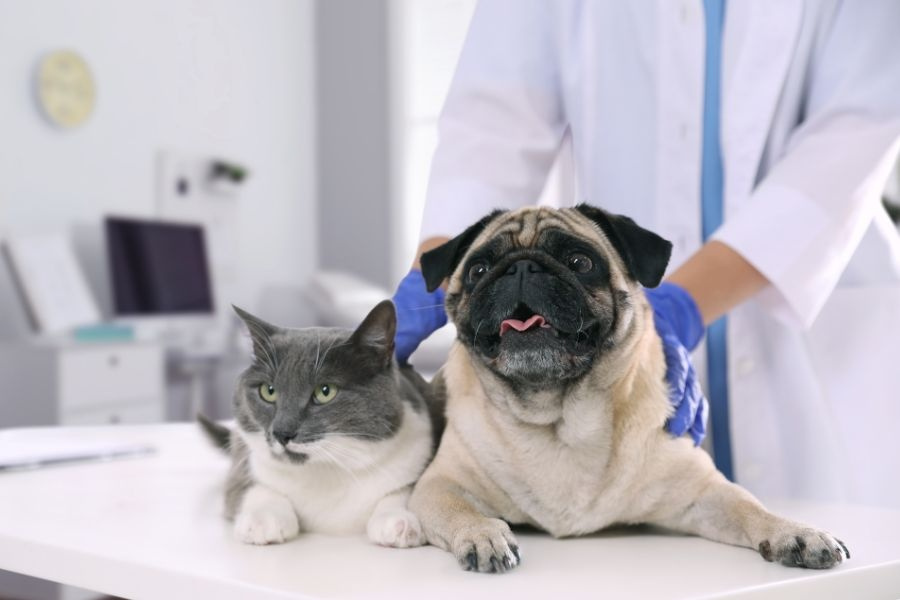
If your pet’s routine has changed and you are unsure whether it is simply part of aging, schedule an appointment with Watson’s Friends Animal Hospital to discuss what you have noticed.
FAQs
1. What is the most important habit to monitor in an older pet?
Ans: There is no single habit that matters most. Changes in appetite, drinking, movement, bathroom routines, sleep, and behavior are all useful clues when they differ from your pet’s normal pattern.
2. Should I be concerned if my senior dog sleeps more than before?
Ans: Older dogs often need more rest, but a sudden increase in sleeping or a reduced interest in normal activities can be worth discussing with a veterinarian.
3. Why has my older cat stopped jumping onto furniture?
Ans: Avoiding jumps can be related to discomfort, reduced mobility, or another age-related change. A veterinarian can help determine why your cat’s movement has changed.
4. How can I tell whether my older pet’s behavior change is serious?
Look for changes that are sudden, persistent, worsening, or accompanied by appetite, weight, mobility, bathroom, or comfort issues. Recording the pattern can help your veterinarian evaluate the situation.
5. How can I make my home more comfortable for a senior pet?
Make essential areas easy to access, provide supportive bedding and better traction, keep food and water within comfortable reach, and adjust exercise to match your pet’s current abilities.