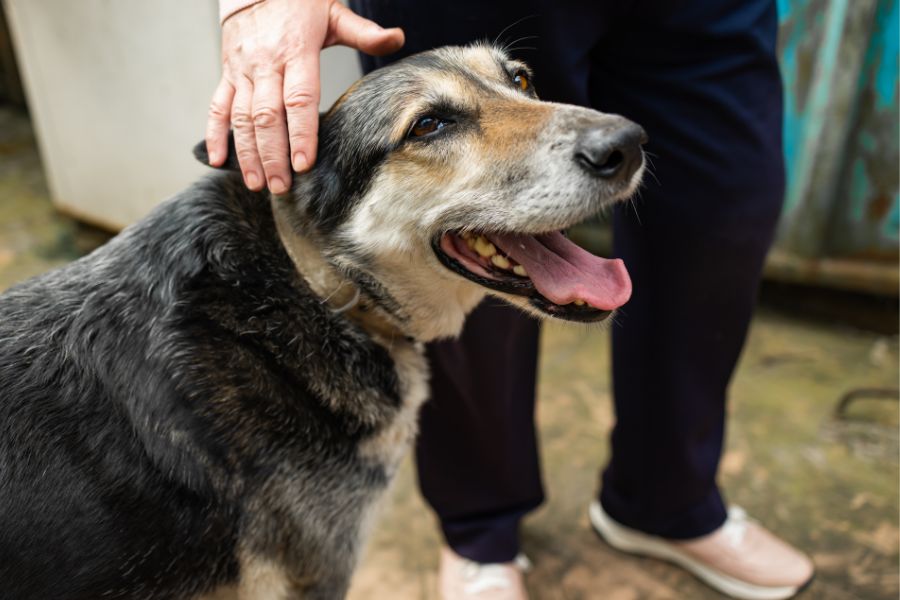
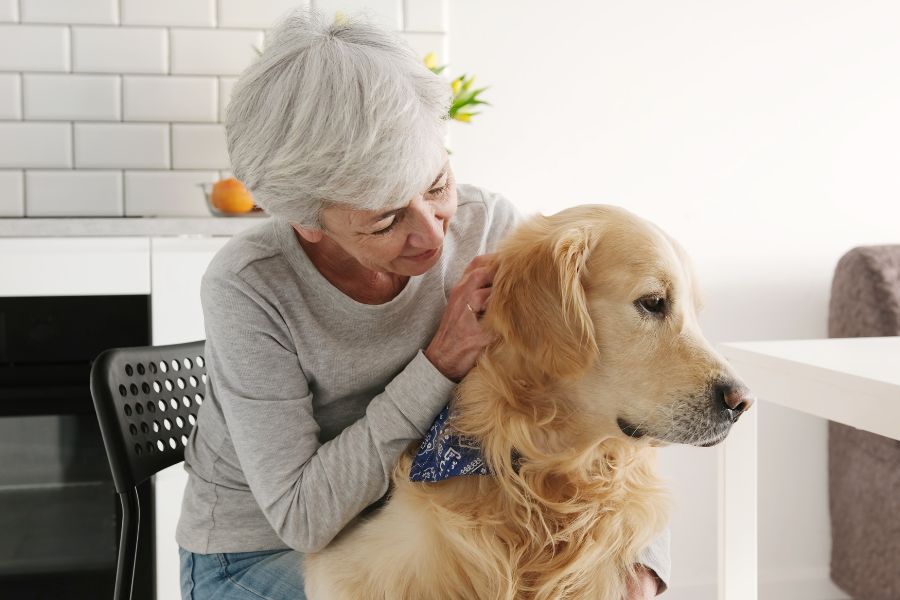
As pets grow older, subtle changes in their behavior can sometimes catch even the most attentive pet parents off guard. A once-playful dog may seem withdrawn, or a calm cat might become restless at night. For families in Palmetto, FL, these moments can be concerning, especially when pets have been companions for many years. Behavioral shifts are often one of the earliest signs that a senior pet needs extra support, patience, and professional guidance.
Senior pets experience changes not just physically, but emotionally and mentally as well. Understanding these shifts and knowing when to seek help can make a meaningful difference in comfort and quality of life. At Watson’s Friends Animal Hospital, senior-focused care emphasizes early recognition, compassionate response, and thoughtful management of age-related changes, including those that affect daily behavior and routines associated with senior pet care.
This guide is designed to help local pet owners recognize common behavioral changes in aging pets and respond with confidence and care.
What This Means for Your Pet’s Health
Behavioral changes in senior pets are rarely random. They are often linked to underlying physical or cognitive changes that develop gradually over time. Conditions such as arthritis, vision or hearing loss, and cognitive decline can alter how pets interact with their surroundings and the people they trust. In many cases, changes such as pacing, confusion, increased vocalization, or withdrawal are signs that something feels different for your pet. Addressing these changes early enables veterinary professionals to identify underlying medical causes and tailor care plans accordingly. This proactive approach is a cornerstone of effective senior wellness exams for pets, where the goal is not only to treat illness but also to preserve dignity, comfort, and routine. When behavior is viewed as part of overall health, it becomes easier to support senior pets through every stage of aging.
Key Benefits for Pet Owners
Recognizing and responding to behavioral changes early offers several important benefits for both pets and their families:
- Prevention of discomfort: Early intervention can help manage pain or confusion before it worsens.
- Improved quality of life: Pets remain more engaged, comfortable, and relaxed at home.
- Emotional reassurance: Understanding what’s happening reduces stress and uncertainty for pet owners.
- Long-term wellness: Ongoing monitoring supports healthier aging and fewer emergencies.
- Stronger bonds: Responding with empathy strengthens trust between pets and their families.
For Palmetto pet owners, these benefits align with a lifestyle that values companionship, routine, and close family connections.
Practical Tips You Can Use at Home
Supporting a senior pet doesn’t always require major changes. Small, thoughtful adjustments can make everyday life more comfortable.
- Maintain consistent routines: Predictable feeding, walking, and resting times reduce anxiety.
- Adapt the home environment: Use night lights, non-slip rugs, or easy-access bedding.
- Encourage gentle activity: Short, calm walks or play sessions help maintain mobility without strain.
- Be patient with new behaviors: Increased sleep or mild confusion is common with age.
- Monitor closely: Keep notes on changes in appetite, sleep, or social interaction.
While these steps help at home, behavioral changes should always be discussed with a veterinary professional to rule out medical concerns.
How Our Veterinary Team Supports the Community
Local veterinary clinics and animal hospitals play a critical role in helping senior pets age gracefully. Experienced veterinarians understand how behavior, physical health, and environment intersect, especially in older animals.
At Watson’s Friends Animal Hospital, care is tailored to each pet’s individual needs, with a focus on thorough evaluations, diagnostic insight, and compassionate communication. This personalized approach allows families to make informed decisions and ensures that senior pet diagnostic testing remains focused on comfort, prevention, and trust.
By working closely with pet owners, the veterinary team supports not only pets but also the families who love them.
Behavioral changes in senior pets can be challenging, but they are also an opportunity to deepen understanding and care. With awareness, patience, and professional guidance, aging pets can continue to enjoy fulfilling, comfortable lives.
For families seeking dependable senior pet support in Palmetto, FL, partnering with a trusted veterinary team makes all the difference. If you’ve noticed changes in your pet’s behavior or have concerns about their well-being, now is the right time to book an appointment and take a proactive step toward compassionate, senior-focused care.
Frequently Asked Questions
Are behavioral changes normal as pets age?
Yes, many senior pets experience changes due to physical or cognitive aging. However, sudden or severe changes should always be evaluated by a veterinarian.
When should I be concerned about my senior pet’s behavior?
If behaviors interfere with daily life, cause distress, or appear suddenly, it’s important to seek veterinary advice to rule out medical causes.
Can behavioral changes be managed without medication?
In some cases, environmental adjustments, routine changes, and supportive care can help. A veterinarian can recommend the best approach based on your pet’s needs.
What common medical conditions can cause behavior changes in senior pets?
Conditions such as arthritis, dental disease, vision or hearing loss, thyroid imbalances, and cognitive dysfunction can all affect behavior. Veterinary evaluation helps identify and manage these issues early.
How can I help my senior pet feel more secure at home?
Providing familiar routines, comfortable resting areas, easy access to food and water, and minimizing environmental changes can help senior pets feel safe and supported as they age.
Do senior pets need more frequent veterinary visits?
Yes. Many veterinarians recommend wellness exams every six months for senior pets to closely monitor health changes, adjust care plans, and address concerns before they impact quality of life.