
Living with a disabled pet can feel overwhelming at first. However, with patience, understanding, and the right care, your furry friend can still live a joyful, fulfilling life. Whether your pet was born with a disability or developed one later due to injury, illness, or age, your role is essential in helping them thrive.
Below are proven, compassionate tips to help your disabled pet feel safe, loved, and happy while maintaining their dignity and independence.
Understanding Your Pet’s Disability
Before making any changes, take time to understand the nature of your pet’s condition. Disabilities in pets can range from mobility issues (like limb paralysis or arthritis) to sensory impairments (like deafness or blindness).
Each condition comes with specific needs. Consulting your vet—or visiting a reputable facility like Watson’s Friends Animal Hospital—can help you develop a customized care plan.
Once you understand the condition, you’ll be better equipped to meet your pet’s needs confidently.
Creating a Safe and Accessible Home Environment
Your home should be a sanctuary for your disabled pet. Fortunately, a few thoughtful changes can go a long way.
- Use ramps instead of stairs: For pets with mobility issues, install pet ramps near beds, couches, or entryways.
- Add non-slip flooring: Laminate or hardwood floors can be hazardous. Add rugs or rubber mats to give your pet better traction.
- Create a consistent layout: Pets with vision loss rely on memory. Avoid rearranging furniture often to reduce confusion.
- Block off hazards: Use baby gates to block stairs or areas that may be dangerous for your pet to explore unsupervised.
These changes not only support your pet’s safety but also promote confidence in their daily movements.
Embrace Assistive Devices
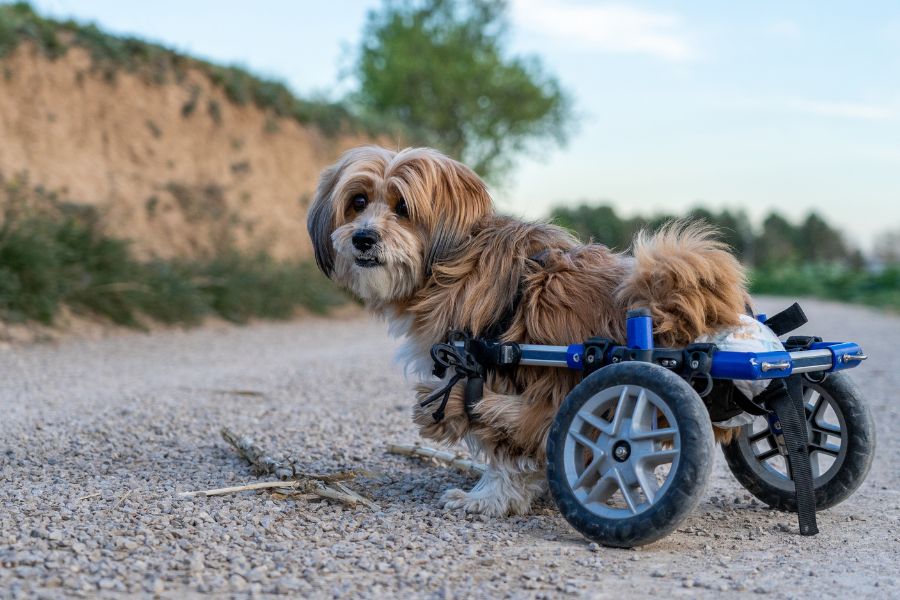
Modern technology has transformed how we care for special-needs pets. Wheelchairs, harnesses, slings, and prosthetics can dramatically improve a disabled animal’s mobility and independence.
For example:
- A dog with rear-leg paralysis may benefit from a custom wheelchair.
- A cat with arthritis may find relief using orthopedic bedding and steps.
Always consult your veterinarian before investing in mobility aids to ensure they suit your pet’s needs.
Keep Them Physically and Mentally Active
Just like any other pet, disabled pets need stimulation to stay happy. While physical activities may need adjustments, there are still plenty of ways to enrich their lives.
- Gentle play sessions: Use toys that match your pet’s abilities.
- Interactive feeders: These encourage problem-solving and mimic hunting instincts.
- Short outdoor walks: If your pet can walk with or without aid, take them on short strolls to enjoy fresh air and sunshine.
- Sniff walks: Let your dog explore the world through scent—it’s low-impact and highly enriching.
When possible, enroll your pet in physical therapy or hydrotherapy. These options can strengthen muscles and improve mobility while being easy on joints.
Focus on Nutrition and Health
Diet is especially critical for pets with disabilities. Excess weight can strain joints and exacerbate pain, while the right nutrients can aid healing and comfort.
Work with your veterinarian to find a tailored diet plan. Also, don’t overlook:
- Regular vet check-ups
- Pain management options
- Vaccinations and parasite control
If you’re located nearby, animal Hospital Palmetto offers preventive care services that are vital for your pet’s ongoing well-being.
Provide Emotional Support
Disabled pets may experience anxiety, especially if they recently lost mobility or senses. Your love and consistency are their greatest source of comfort.
Here’s how to support them emotionally:
- Establish a consistent routine: Pets thrive on predictability.
- Offer plenty of affection: Physical touch, soothing words, and gentle grooming can calm and reassure your pet.
- Use positive reinforcement: Encourage them with treats and praise when they accomplish tasks.
- Give them space: Create a quiet area where they can rest and feel safe.
Never underestimate the healing power of companionship. The bond between you and your pet can carry them through even the most challenging times.
Connect with a Support Community
You’re not alone. Many pet owners are navigating life with disabled pets. Online communities, support groups, and social media pages can provide encouragement, ideas, and resources.
You’ll discover product recommendations, success stories, and emotional support from those who’ve been in your shoes. These connections can be invaluable for both you and your pet.
Disabled pets don’t see themselves as “less than.” They love, play, and enjoy life, just like any other animal. With your help, they can continue to live a life full of tail wags, purrs, and joyful moments.
Remember:
- Focus on abilities, not limitations.
- Celebrate small victories.
- Advocate for their comfort and care.
By creating a supportive environment and offering attentive, loving care, you’re not just giving your pet a better life—you’re sharing an extraordinary journey.