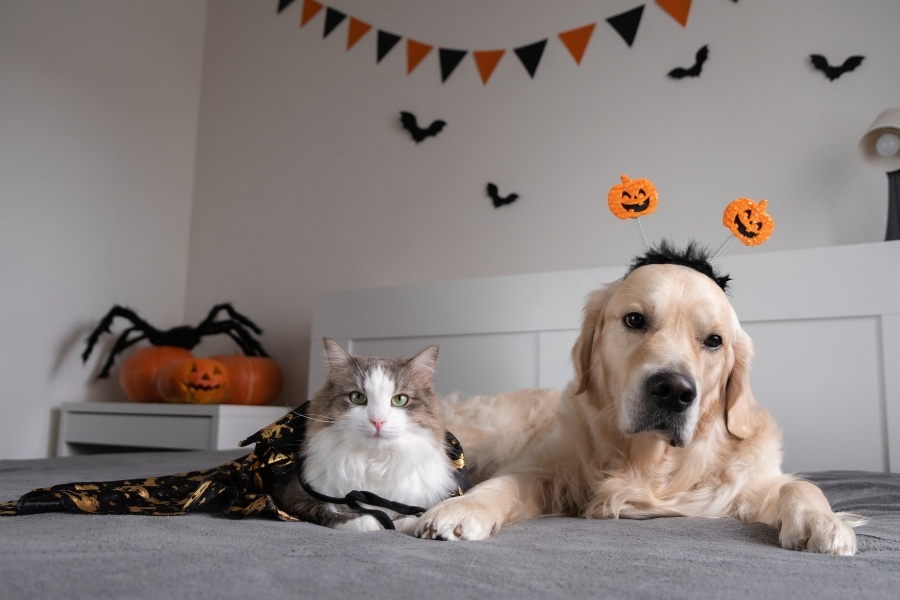
Halloween costumes can make dogs and cats look adorable, but their comfort and safety should always come first. While some pets enjoy wearing festive outfits, others may feel anxious, restricted, or overwhelmed. Choosing the right costume and paying attention to your pet’s behavior can help make Halloween enjoyable without putting their well-being at risk.
At Watson’s Friends Animal Hospital, helping local families keep their pets healthy and comfortable is an important part of veterinary care. Before dressing your dog or cat for Halloween, consider whether the outfit allows them to move freely, breathe normally, and feel relaxed.
A little preparation can prevent common costume-related problems. If you have questions about your pet’s comfort or health, knowing which vet near you to contact can help you get reliable guidance. Here are seven practical ways to help your furry companion enjoy a safer Halloween.
1. Choose a Costume That Fits Properly
A costume that looks adorable in a photograph may not be comfortable for your pet. Clothing that is too tight can restrict movement or breathing, while loose outfits may slip, tangle, or catch on furniture and other objects.
Choose a costume that allows your pet to walk, sit, lie down, and move their head naturally. Check that it does not press against the neck, restrict the chest, or interfere with normal movement. Avoid outfits that cover the eyes or make it difficult for your pet to see their surroundings.
Always check the fit before heading outside or taking photographs. If your pet struggles to walk, repeatedly tries to remove the outfit, or seems uncomfortable, take it off and choose a simpler option.
2. Avoid Small Parts and Dangling Decorations
Halloween costumes sometimes feature buttons, ribbons, bells, decorative gems, and other small accessories. Curious dogs and cats may chew on these pieces and accidentally swallow them. Depending on the item, this can lead to choking or a digestive blockage.
Inspect the entire costume before putting it on your pet. Avoid outfits with loose strings, detachable decorations, or elastic pieces that could become tangled around the legs or neck.
If your dog enjoys chewing objects or your cat likes batting at dangling items, a simple costume is often a better choice. A festive bandana or pet-safe collar can add a seasonal touch without introducing unnecessary hazards.
Keep spare accessories, sewing supplies, and costume packaging out of reach, too. If you suspect your pet has swallowed part of a costume, contact a veterinary professional promptly rather than waiting for symptoms to develop.
3. Introduce the Costume Before Halloween
Putting a costume on your pet for the first time just before trick-or-treaters arrive can create unnecessary stress. Unfamiliar clothing combined with doorbells, visitors, and loud noises may be too much for a sensitive pet.
Give your pet several days to become familiar with the outfit. Start by placing it nearby and allowing them to sniff it. If they seem relaxed, try putting it on for a short period while offering praise or an appropriate treat.
Increase the time gradually, but let your pet set the pace. If they hide, struggle, or show signs of anxiety, remove the costume and try a different approach. Never force a pet to wear clothing simply because it is part of your Halloween plans.
4. Recognize Signs of Stress or Discomfort
Pets communicate discomfort through their body language. Dogs may freeze, pant excessively, scratch at their costumes, pace, or repeatedly try to remove the outfit. Cats may flatten their ears, crouch, hide, or walk awkwardly.
Some pets become unusually quiet when stressed, so a lack of resistance does not always mean they are comfortable. Watch for changes in posture, movement, and behavior while the costume is on.
Remove the outfit if your pet seems frightened or uncomfortable. Give them a quiet place to relax, and avoid repeatedly trying the costume if they continue to resist it. Your pet’s comfort matters more than getting the perfect Halloween photograph.
5. Keep Your Pet’s Face Uncovered
Masks, hoods, and elaborate headpieces may interfere with your pet’s vision, hearing, or breathing. Restricted vision can make pets more likely to bump into objects or become startled when someone approaches.
Choose an outfit that leaves the face unobstructed. Your pet should be able to see clearly, breathe normally, pant when needed, and drink water without difficulty. Avoid accessories that press against the ears or sit tightly around the muzzle.
If a costume includes a headpiece that your pet continually tries to remove, skip that part. A simple body costume or festive bandana is often more practical and comfortable.
6. Prevent Overheating and Avoid Leaving Costumes On
Florida’s autumn weather can remain warm, and thick fabrics or multiple layers may trap heat. Pets can become uncomfortable during outdoor activities, energetic play, or extended costume sessions.
Choose lightweight, breathable materials and limit the amount of time your pet wears the outfit. Keep fresh water available and watch for excessive panting, unusual tiredness, or signs that your pet wants to rest.
Never leave a costumed pet unattended for long periods. Clothing may catch on furniture, and loose accessories can become chewing hazards. Remove the costume before your pet sleeps or whenever you cannot supervise them.
7. Remember That Costumes Are Optional
Not every dog or cat enjoys dressing up, and that is perfectly fine. Some pets tolerate clothing well, while others find it uncomfortable or frightening. A costume should be an optional part of the celebration, not something your pet has to endure.
If your pet dislikes wearing clothes, consider a Halloween-themed toy, a festive collar, or a seasonal photograph without a costume. You can still include them in the fun while respecting their personality.
If you notice persistent itching, redness, or unusual behavior after removing an outfit, consult a veterinary professional. Seek urgent veterinary care if your pet has difficulty breathing, collapses, or may have swallowed a costume part.
Make Halloween Comfortable for Your Pet
A well-fitting costume, careful supervision, and attention to your pet’s behavior can make Halloween safer and more enjoyable. Introduce clothing gradually, avoid small accessories, and remove the outfit whenever your pet seems uncomfortable. If your dog or cat prefers not to dress up, a simple accessory or no costume at all is a perfectly good choice.
Watson’s Friends Animal Hospital encourages pet owners to make their pets’ comfort part of their Halloween plans. A little preparation can help your family enjoy the holiday while keeping your four-legged companions safe.
Schedule an appointment if you have concerns about your pet’s skin, comfort, or health. A veterinary professional can help you understand your pet’s needs and determine the appropriate next steps.
Frequently Asked Questions
Q1. What makes a Halloween costume safe for dogs and cats?
Ans: A safe costume should fit comfortably, allow natural movement, and leave your pet’s eyes, nose, mouth, and ears unobstructed. Avoid loose pieces, small decorations, and materials that could cause irritation or become choking hazards.
Q2. How can I tell if my pet is uncomfortable in a Halloween costume?
Ans: Watch for freezing, hiding, repeated scratching, flattened ears, a tucked tail, panting, or attempts to remove the costume. If your pet shows these signs, take the costume off and let them relax.
Q3. Should my pet wear a Halloween costume all evening?
Ans: No. Keep costume time short, supervise your pet, and remove the outfit if they become uncomfortable, warm, or anxious. A festive bandana or seasonal collar may be a better choice for pets that dislike full costumes.
Q4. Can Watson’s Friends Animal Hospital help if my pet develops skin irritation from a costume?
Ans: Yes. If your pet develops redness, itching, swelling, or persistent discomfort after wearing a costume, the veterinary team at Watson’s Friends Animal Hospital can evaluate the problem and recommend appropriate next steps.
Q5. Should I contact Watson’s Friends Animal Hospital if my pet swallows part of a Halloween costume?
Ans: Yes. Contact the veterinary team promptly if your pet swallows a costume piece, such as a button, bell, or decorative accessory. Do not induce vomiting unless a veterinarian specifically instructs you to do so. Seek urgent veterinary attention if your pet has difficulty breathing, repeated vomiting, or other concerning symptoms.
Q6. How can Watson’s Friends Animal Hospital help me keep my pet safe during Halloween?
Ans: Watson’s Friends Animal Hospital can provide veterinary guidance if you have concerns about your pet’s skin, comfort, or health during Halloween. If your pet develops unusual symptoms or seems unwell after wearing a costume, schedule an appointment to discuss your concerns with the veterinary team.