
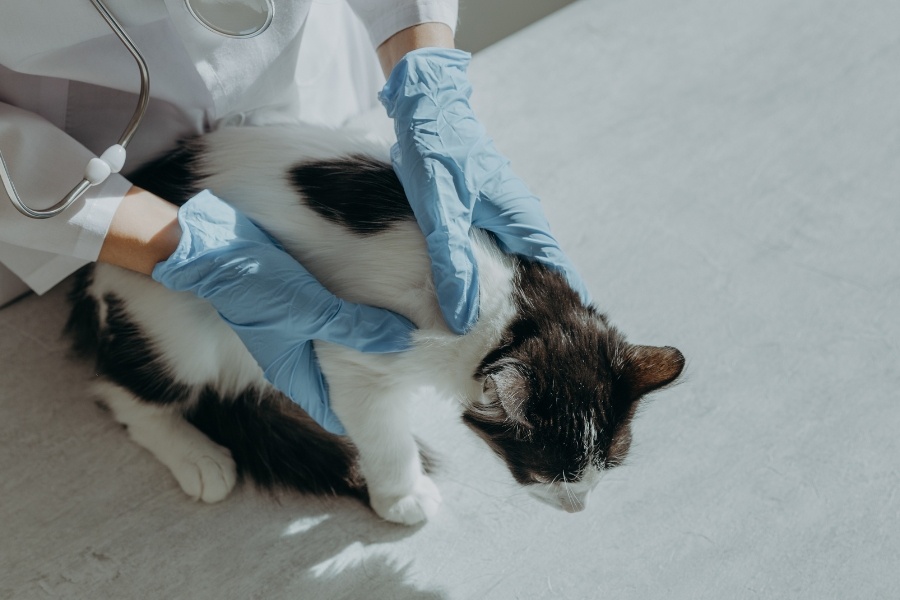
When a pet seems unwell, the first question is often simple: What is causing the change? A pet may eat less than usual, seem unusually tired, drink more water, or behave differently without showing an obvious sign of illness. These changes can have several possible explanations, which is why veterinarians may recommend diagnostic testing before deciding what to do next.
Veterinary diagnostics help turn observations into useful medical information. At Watson’s Friends Animal Hospital, pet owners can discuss changes in their companions’ health and learn how diagnostic findings may help guide decisions about further evaluation, treatment, or monitoring.
Understanding the role of pet diagnostic care can make veterinary visits feel less uncertain. It also helps owners see why a veterinarian might recommend a test even when symptoms appear mild or the cause is not immediately clear.
Why Symptoms Alone May Not Tell the Whole Story
Pets cannot explain where they hurt, when discomfort began, or whether a change has been getting worse. Owners often provide the first clues by describing differences in appetite, energy, bathroom habits, movement, or behavior.
However, one symptom can point toward several possible causes. Vomiting, for example, may follow a temporary digestive upset, but it can also occur with more significant health problems. Increased thirst may be related to environmental factors, medication, or an underlying condition.
A veterinarian considers these observations alongside the pet’s medical history and physical examination. When more information is needed, diagnostic testing can help narrow the possibilities and determine which steps make sense next.
What Happens After a Veterinarian Recommends Testing?
A diagnostic test is not simply a search for a disease. It is a way to answer a specific medical question. The appropriate test depends on what the veterinarian notices, the pet’s age and health history, and the symptoms being investigated.
Depending on the situation, the next step may involve:
- Blood work: Blood tests can provide information about organ function, blood cell levels, hydration-related changes, and other aspects of health.
- Urinalysis: Examining urine may help evaluate urinary concerns and provide clues about kidney function, hydration, or other conditions.
- Imaging: X-rays or ultrasound may help veterinarians assess internal structures when they need to investigate concerns involving the chest, abdomen, bones, or other areas.
- Additional targeted tests: Depending on the suspected problem, a veterinarian may recommend testing for certain infections or other specific conditions.
Not every pet needs every test. The goal is to select an approach that fits the clinical question rather than order tests without a clear purpose.
How Results Influence the Care Plan
Diagnostic results are most useful when interpreted in context. A test result rarely tells the entire story by itself. Veterinarians consider the findings alongside symptoms, examination results, medications, age, and previous health information.
The results may help guide several different decisions.
When a likely cause becomes clearer: The veterinarian may recommend a treatment plan tailored to the suspected or identified condition.
When results are reassuring: Normal findings can make some explanations less likely, although they do not rule out every possible problem. The veterinarian may suggest observation, symptom management, or additional evaluation if concerns continue.
When findings need clarification: A result that is unusual or inconclusive may lead to a repeat test, a different diagnostic method, or closer examination of a particular concern.
When ongoing monitoring is appropriate: Some health changes are best understood over time. Comparing results from different visits can help the veterinarian assess whether a condition is stable, improving, or progressing.
This process allows care decisions to respond to what the veterinary team learns instead of relying on assumptions alone.
Why Follow-Up Testing Can Be Helpful
Pet owners may wonder why another test is necessary after their pet has already undergone testing. Sometimes, a single result provides only part of the answer. Repeating a test may help confirm an unexpected finding, check whether a value has changed, or evaluate how a pet is responding to treatment.
For example, if an initial blood test shows an abnormal value, the veterinarian may recommend checking it again after a specific interval. Whether that is appropriate depends on the finding and the pet’s overall condition.
Follow-up testing should have a clear purpose. Ask what the veterinarian hopes to learn, how the result could affect the care plan, and when the test should be performed. These questions can help you understand the reasoning behind the recommendation.
How Pet Owners Can Help Make Testing More Useful
You do not need to identify the problem before a veterinary appointment. Sharing accurate observations can help your veterinarian decide which information is most relevant.
Before the visit, consider noting:
- When the change first appeared and whether it has become more frequent.
- Changes in eating, drinking, urination, bowel movements, sleep, or activity.
- Any new medications, supplements, foods, or possible exposure to unusual substances.
- Previous test results or medical records, if available.
Ask whether your pet needs any preparation before testing. Some procedures require specific instructions, while others do not. Follow the veterinary team’s guidance rather than assuming that fasting or another preparation step is necessary.
If your pet’s condition worsens while you are waiting for a scheduled appointment or test, contact your veterinary team for advice. Difficulty breathing, collapse, seizures, or suspected poisoning warrant immediate veterinary attention.
Making Informed Decisions About Your Pet’s Health
Diagnostic testing can reduce uncertainty, but it does not always produce an immediate or definitive answer. Its value lies in helping veterinarians gather evidence, assess possibilities, and choose reasonable next steps for each individual pet.
Watson’s Friends Animal Hospital understands that health concerns can leave pet owners with questions. Discussing the purpose of a recommended test, what the results may reveal, and how those findings could affect care can help you feel more prepared to make decisions for your companion.
Schedule an appointment to discuss changes in your pet’s health and whether diagnostic evaluation may be appropriate.
Frequently Asked Questions
Q1. Does every sick pet need diagnostic testing?
Ans: No. The need for testing depends on your pet’s symptoms, physical examination, medical history, and the veterinarian’s assessment. Some concerns may be managed without immediate testing, while others require additional information to understand what may be affecting your pet’s health.
Q2. Can veterinary diagnostic tests detect health problems before symptoms appear?
Ans: Some diagnostic tests can identify changes before noticeable symptoms develop, depending on the condition and type of screening. Routine testing may help monitor certain health risks, but no single test can detect every possible problem.
Q3. What factors help a veterinarian decide which diagnostic tests a pet needs?
Ans: Veterinarians consider the pet’s age, medical history, symptoms, physical examination findings, and possible health concerns. These factors help determine which tests may provide useful information and whether further evaluation is necessary.
Q4. How does Watson’s Friends Animal Hospital use diagnostic results to guide a pet’s care?
Ans: The veterinary team considers diagnostic findings alongside the pet’s medical history and physical examination. These results can help evaluate health concerns, understand possible causes, and determine appropriate next steps for the pet’s care.
Q5. What information should I share with Watson’s Friends Animal Hospital before diagnostic testing?
Ans: Share any changes in your pet’s appetite, thirst, energy, mobility, or daily habits. Mention when the changes started, how often they occur, and whether your pet takes any medications. These details can help the veterinary team assess your pet more effectively.
Q6. What happens if diagnostic test results do not identify a clear health problem?
Ans: If the results do not reveal a definite cause, the veterinary team may recommend monitoring your pet, repeating certain tests, or considering additional evaluation. The next step depends on your pet’s symptoms, examination findings, and overall condition.