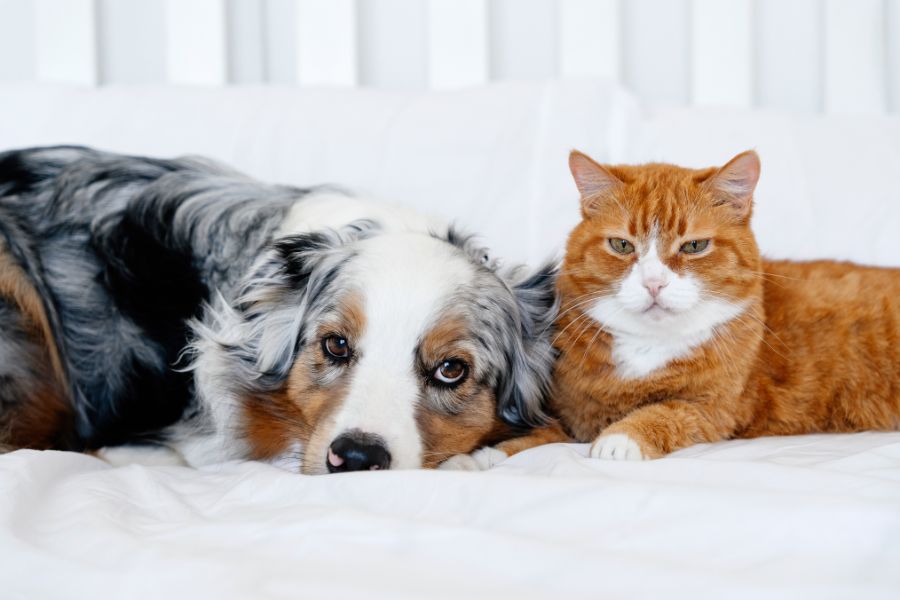

Your pet’s long-term health is shaped by more than what happens during a veterinary visit. Everyday choices involving nutrition, exercise, dental hygiene, grooming, weight management, and routine observation can quietly influence your pet’s comfort and well-being over the years. For pet owners looking for preventative care for pets in Palmetto, FL, understanding these simple habits can make it easier to support a healthier life for their dogs and cats.
Preventative care focuses on staying ahead of potential health concerns rather than waiting for obvious symptoms to appear. By building healthy routines at home and maintaining regular veterinary visits, you can help identify changes earlier and give your pet the care they need at every stage of life.
Why Everyday Pet Habits Matter
Many pet health problems develop gradually rather than appearing overnight. A few extra treats, less activity, skipped dental care, or subtle changes in behavior may seem insignificant at first. However, when these patterns continue for months or years, they can affect your pet’s weight, mobility, oral health, and overall well-being.
The good news is that healthy routines do not have to be complicated. Consistency is often more important than perfection. Simple habits performed regularly can help you notice changes earlier and give your pet a stronger foundation for long-term health.
Feeding Habits Can Affect More Than Weight
What and how your pet eats plays an important role in lifelong health. A balanced diet should provide the nutrients your pet needs while matching factors such as age, activity level, size, and individual health needs.
Portion control is equally important. Even nutritious food can contribute to excess weight when portions or treats are too large. Excess weight can place additional stress on joints and may contribute to other health concerns.
Consider these everyday feeding habits:
- Measure meals instead of guessing portions.
- Keep treats limited and accounted for.
- Provide fresh water throughout the day.
- Avoid routinely sharing table scraps.
- Discuss diet changes with your veterinarian.
If your pet suddenly becomes unusually hungry, stops eating, drinks much more water, or experiences repeated digestive problems, do not assume the change is simply behavioral. A veterinary evaluation can help determine whether an underlying issue is involved.
Daily Exercise Helps Protect Mobility
Regular movement supports healthy muscles, joints, circulation, and weight. Dogs may benefit from daily walks, play sessions, or other age-appropriate activities. Cats can stay active through interactive toys, climbing opportunities, and short play sessions throughout the day.
The right amount of exercise depends on your pet. A young, energetic dog may need considerably more activity than a senior pet. Likewise, a cat with joint discomfort may require gentler play.
Pay attention to how your pet responds to activity. Reluctance to climb stairs, difficulty getting up, limping, tiring unusually quickly, or avoiding activities they once enjoyed can indicate that something has changed.
Dental Care Should Be Part of the Routine
Oral health is often overlooked because pets may continue eating even when their mouths are uncomfortable. Plaque and tartar can build up over time, contributing to gum inflammation, bad breath, tooth damage, and other dental problems.
At-home dental care can include brushing your pet’s teeth with products made specifically for pets. Regular professional dental evaluations are also important because veterinarians can identify problems that may not be obvious during everyday handling.
Watch for signs such as:
- Persistent bad breath
- Red or swollen gums
- Dropping food while eating
- Chewing on one side
- Reduced interest in food
- Pawing at the mouth
Making dental care a routine part of your pet’s life can help support better oral comfort as they age.
Grooming Can Help You Notice Health Changes
Grooming is not only about keeping your pet looking neat. Brushing, bathing when appropriate, nail trimming, and routine coat checks give you opportunities to notice changes in your pet’s skin and body.
While grooming, look for unusual lumps, skin irritation, hair loss, parasites, wounds, swelling, or changes in the condition of the coat. Regular nail care is also important because overly long nails can affect how a pet walks and may contribute to discomfort.
For pets living in Palmetto, FL, outdoor exposure can make routine skin and coat checks especially useful. After time outside, check for ticks, debris, irritated skin, or other problems that may need attention.
Weight Monitoring Is an Everyday Responsibility
You do not have to wait for an annual appointment to think about your pet’s weight. Regularly monitoring body condition can help you identify gradual changes before they become a larger concern.
A healthy weight is influenced by food intake, treats, activity, age, breed, and individual metabolism. Your veterinarian can help determine an appropriate weight range and feeding plan for your pet.
If your pet is gaining or losing weight without an obvious reason, schedule an examination. Unexpected weight changes can sometimes be associated with health conditions that require veterinary attention.
Pay Attention to Small Behavioral Changes
One of the most valuable habits a pet owner can develop is simply knowing what is normal for their pet. Changes in behavior can sometimes be among the earliest signs that something is wrong.
For example, a normally social pet that suddenly hides more often may need closer attention. Other changes worth noticing include sleeping significantly more, becoming unusually restless, drinking more water, having accidents indoors, or losing interest in favorite activities.
Keep an eye on:
- Appetite and drinking
- Energy levels
- Bathroom habits
- Sleeping patterns
- Movement and posture
- Social behavior
- Grooming habits
A single unusual day may not indicate a serious problem, but persistent or worsening changes deserve professional attention.
Routine Veterinary Visits Still Matter
Healthy daily habits are important, but they do not replace preventive veterinary care. Pets can hide discomfort surprisingly well, and some conditions may not produce obvious symptoms during their early stages.
Routine wellness examinations give your veterinarian an opportunity to assess your pet’s weight, teeth, skin, heart, lungs, mobility, and overall condition. Depending on your pet’s age and needs, preventive care may also include vaccinations, parasite prevention, laboratory testing, and other screenings.
For families in Palmetto and surrounding communities, maintaining a consistent veterinary schedule can make preventive care easier to manage. Your pet’s healthcare plan should be adjusted as they move from puppy or kittenhood into adulthood and their senior years.
Create a Routine You Can Actually Maintain
The best pet health routine is one that fits naturally into your household. You do not need to overhaul everything at once. Instead, focus on a few practical habits and build from there.
A simple routine might include:
- Every day: Provide appropriate meals, fresh water, exercise, play, and basic observation.
- Every week: Check ears, coat, nails, and body condition as appropriate.
- Regularly: Maintain dental care and parasite prevention according to veterinary guidance.
- At recommended intervals: Schedule wellness examinations and preventive treatments.
- Anytime something changes: Contact your veterinarian when a concerning symptom persists or appears suddenly.
Consistency makes these habits easier to remember and can help you recognize when your pet’s normal routine begins to change.
How Palmetto Pet Owners Can Support Long-Term Wellness
Florida pets may encounter conditions that make certain preventive habits particularly useful. Warm weather can increase outdoor activity and exposure to parasites, while hot and humid conditions make hydration and heat awareness important.
During warmer months, avoid strenuous activity during the hottest parts of the day, provide access to fresh water, and watch for signs of overheating. After outdoor activities, check your pet’s paws, coat, and skin for irritation or unwanted hitchhikers.
Your veterinarian can also help you choose preventive strategies based on your pet’s lifestyle, age, and exposure risks. These personalized recommendations are an important part of preventive care.
Your pet’s long-term health is shaped by the small things you do consistently. Balanced nutrition, regular activity, dental care, grooming, weight monitoring, behavioral awareness, and preventive veterinary visits can work together to support a healthier life.
If you have noticed a change in your pet’s habits or want to create a more personalized wellness routine, schedule an appointment with Watson’s Friends Animal Hospital. A conversation with your veterinary team can help you turn everyday care into a practical plan for your pet’s long-term well-being.
FAQs
1. What does preventative care for pets include?
Ans: Preventative care for pets can include wellness exams, vaccinations, parasite prevention, dental care, nutrition guidance, weight management, and routine health monitoring.
2. How often should my pet have a veterinary checkup?
Ans: Most pets benefit from routine wellness examinations at least once a year. Senior pets and animals with specific health needs may require more frequent visits based on veterinary recommendations.
3. Can my pet’s daily routine affect long-term health?
Ans: Yes, consistent nutrition, exercise, dental care, grooming, healthy weight management, and observation can all contribute to your pet’s long-term health and comfort.
4. What changes in my pet should I report to a veterinarian?
Ans: Changes in appetite, thirst, energy, weight, bathroom habits, mobility, sleep, grooming, or behavior may deserve veterinary attention, particularly when they persist or appear suddenly.
5. Why is preventative veterinary care important for pets?
Ans: Preventative veterinary care helps monitor your pet’s overall health and can identify potential concerns before they become more advanced. Regular checkups also allow preventive recommendations to change as your pet ages.