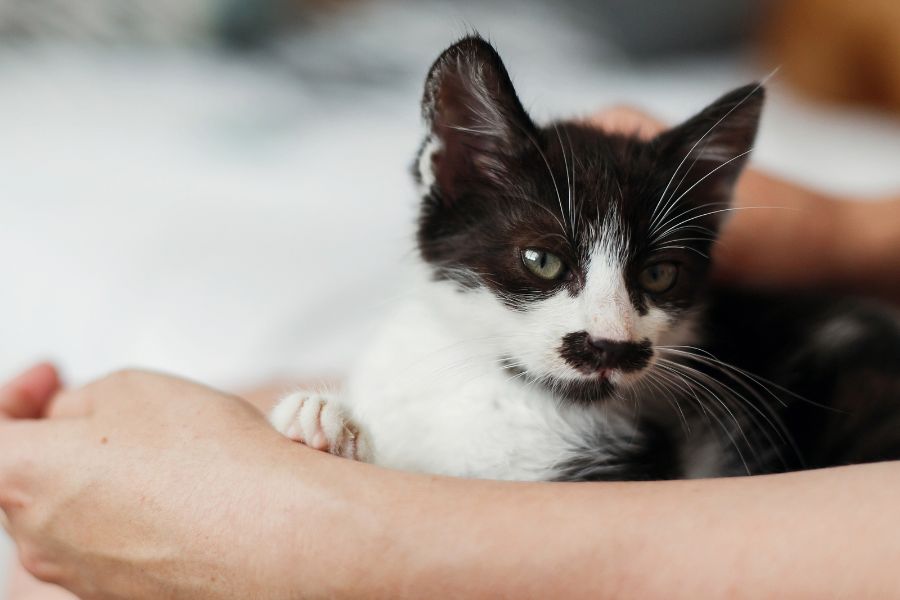
Many people think cats cannot be trained, but that is far from the truth. Some smart and easy-to-train cat breeds learn commands, routines, and fun tricks faster than others. If you are searching for the best cat breeds for families, first-time owners, or active homes, this guide covers intelligent cats that enjoy learning and bonding with their people. You will also learn training tips, what to expect from each breed, and how to choose the right cat for your lifestyle.
Can Cats Really Be Trained
Yes, cats can absolutely be trained. While they often have an independent nature, many cats respond well to positive reinforcement, consistency, and rewards. Some breeds are especially known for their intelligence, curiosity, and desire to interact with humans.
Cats can learn:
- Sit
- Come when called
- Use scratching posts
- Walk on a harness
- Fetch toys
- Puzzle games
- Household routines
The key is choosing a breed with a trainable personality and starting early.
What Makes Certain Cat Breeds Easier to Train
Not all cat breeds learn the same way. Some are naturally more responsive because of their temperament and energy level.
Traits that help with training include:
- High intelligence
- Curiosity
- Food motivation
- Social personality
- Strong bond with owners
- Enjoyment of play
Cats with these qualities usually learn faster and stay engaged longer during training sessions.
Smart and Easy-to-Train Cat Breeds
1. Abyssinian
The Abyssinian is one of the most intelligent and active cat breeds. They love climbing, exploring, and interactive games.
Why they train well:
- Quick learners
- Highly curious
- Love toys and puzzles
- Respond to routine
They do best in homes where they get daily mental stimulation.
2. Siamese
Siamese cats are famous for being vocal, social, and people-focused. They enjoy attention and often learn commands quickly.
Why they train well:
- Strong connection with owners
- Very communicative
- Enjoy learning tricks
- Can be leash trained
They are ideal for families wanting an interactive pet.
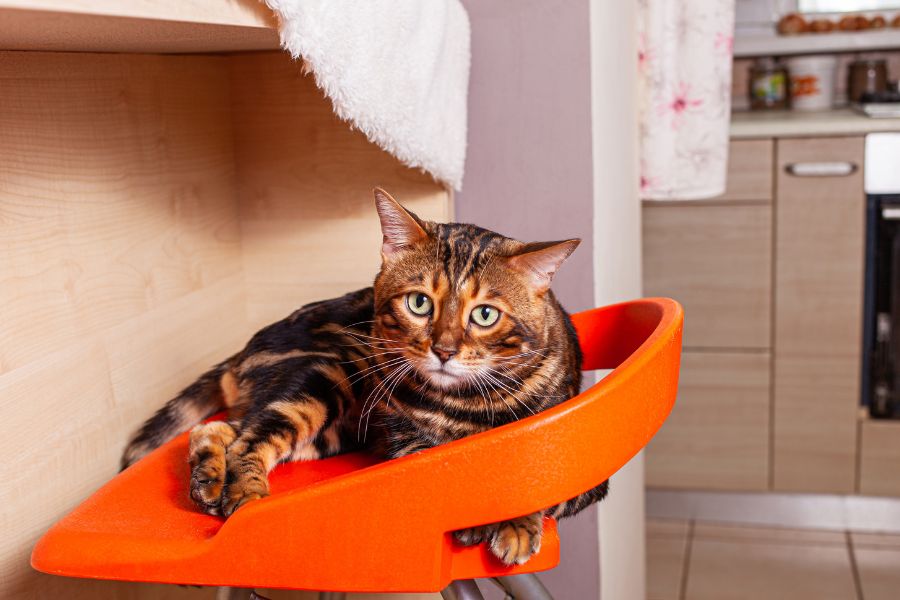
3. Bengal
Bengals are energetic, athletic, and highly intelligent. They need regular play and enrichment to stay happy.
Why they train well:
- Love movement and games
- Can learn fetch
- Excellent problem-solvers
- Enjoy clicker training
Because of their energy, they are best for active households.
4. Maine Coon
Maine Coons are gentle giants with friendly personalities. They are smart, calm, and adaptable.
Why they train well:
- Patient temperament
- Social and affectionate
- Learn routines easily
- Respond well to praise
They are one of the best cat breeds for families with children.
5. Burmese
Burmese cats are affectionate and playful. They often stay kitten-like in behavior well into adulthood.
Why they train well:
- Love human interaction
- Enjoy games
- Smart and curious
- Motivated by treats
They thrive when included in daily family activities.
6. Scottish Fold
Scottish Folds are calm, sweet, and attentive. While not as energetic as some breeds, they often learn household habits quickly.
Why they train well:
- Relaxed personality
- Bond closely with owners
- Good with routines
- Respond to gentle teaching
They are often a good fit for quieter homes.
7. Turkish Angora
Turkish Angoras are graceful, clever, and playful cats that enjoy attention.
Why they train well:
- Fast learners
- Curious nature
- Love climbing and games
- Enjoy social interaction
They need space and regular engagement.
Best Cat Breeds for First-Time Owners
If you are new to cat ownership, these breeds are often easier to manage and train:
- Maine Coon
- Burmese
- Siamese
- Scottish Fold
- Abyssinian
These cats usually enjoy people, adapt well to homes, and respond to regular routines.
Training Tips for Smart Cat Breeds
Even intelligent cats need the right approach. Keep training positive and simple.
Use Rewards
Treats, praise, and toys work better than punishment. Reward desired behavior immediately.
Keep Sessions Short
Cats learn best in 5 to 10-minute sessions. Stop before they lose interest.
Be Consistent
Use the same command words and reward system each time.
Start Young
Kittens often adapt faster, but adult cats can learn too.
Make It Fun
Use play, movement, and games to hold their attention.
Signs Your Cat Enjoys Training
A cat that likes learning may show:
- Coming when called
- Watching you closely
- Following commands for treats
- Excitement during sessions
- Curiosity about toys or puzzles
If your cat seems stressed, pause and try later.
Choosing the Right Cat Breed for Your Home
Before picking from these cat breeds, think about your lifestyle.
Ask yourself:
- Do I want a playful or calm cat?
- How much time can I spend daily?
- Do I have children or other pets?
- Do I want a talkative cat?
- Can I provide climbing space and toys?
For example, a Bengal may need more activity than a Scottish Fold. A Siamese may want more social time than an independent breed.
Indoor Enrichment for Smart Cats
Smart cats need stimulation to prevent boredom. Helpful options include:
- Cat trees
- Puzzle feeders
- Window perches
- Rotating toys
- Clicker training
- Short daily play sessions
Mental exercise is just as important as physical exercise.
When to Ask a Veterinarian About Behavior
Sometimes training problems are linked to stress or health concerns. If your cat suddenly stops using the litter box, becomes aggressive, or seems withdrawn, a veterinary checkup is a smart next step.
Behavior changes may relate to:
- Pain
- Anxiety
- Urinary issues
- Dental discomfort
- Aging changes
Many cat breeds are smart, loving, and easier to train than most people expect. Whether you choose an active Abyssinian, a social Siamese, or a gentle Maine Coon, success comes from patience, rewards, and daily interaction. If you need guidance on behavior, wellness, or choosing the right feline companion, contact Watson’s Friends Animal Hospital in Palmetto, FL to schedule an appointment.
FAQs
Q1: What is the smartest cat breed?
Ans: Many experts consider the Abyssinian and Siamese among the smartest cat breeds because they learn quickly and enjoy interaction.
Q2: Are cats easier to train than dogs?
Ans: Cats and dogs learn differently. Cats respond best to short sessions, rewards, and routines.
Q3: Which cat breed is best for beginners?
Ans: Maine Coons, Burmese, and Scottish Folds are often great choices for first-time cat owners.
Q4: Can older cats still be trained?
Ans: Yes, adult and senior cats can learn new behaviors with patience and positive reinforcement.
Q5: Which cat breeds like to play the most?
Ans: Bengals, Abyssinians, and Siamese are known for high energy and playful personalities.