
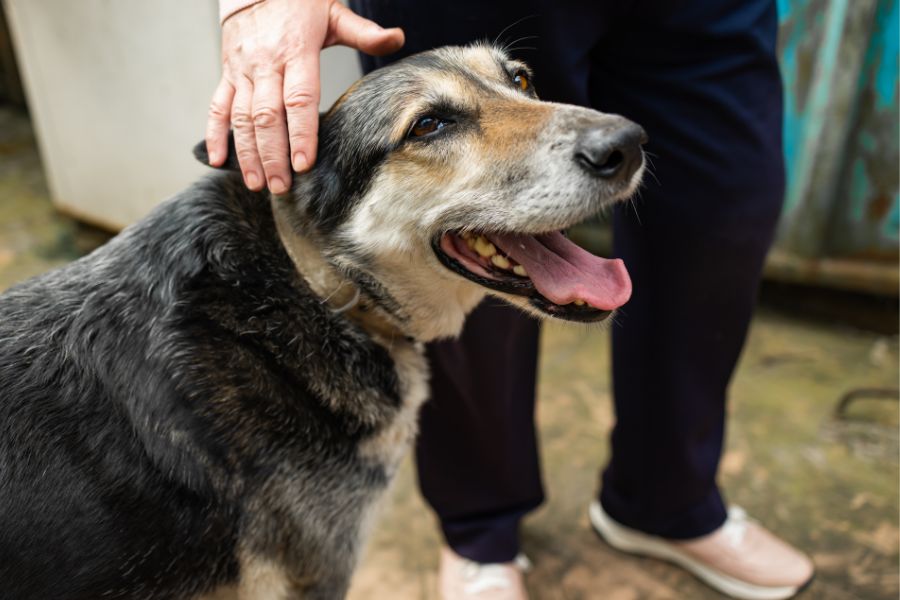
As pets grow older, subtle changes in their behavior often begin to appear. Although aging is natural, cognitive decline—commonly known as Cognitive Dysfunction Syndrome (CDS or CCD)—can cause noticeable shifts in memory, learning ability, social interaction, sleep patterns, and overall awareness.
Because many signs of CCD resemble typical aging changes, this condition is frequently overlooked. Yet, with early recognition and supportive care, pets can continue to enjoy comfort, routine, and emotional connection throughout their senior years.
Understanding Cognitive Dysfunction in Pets
Cognitive Dysfunction Syndrome is considered the animal equivalent of dementia. It affects older dogs and cats due to the gradual degeneration of brain cells and decreased production of neurotransmitters. Consequently, confusion, disorientation, and behavior changes are often noticed by pet owners. Although CCD cannot be reversed, its progression can be slowed when the condition is managed proactively.
Common Signs of CCD
Although symptoms vary for each pet, several key signs are commonly observed:
- Increased restlessness or pacing
- Confusion in familiar environments
- Altered sleep–wake cycles
- Reduced interest in family activities
- House-soiling accidents
- Excessive vocalization
- Repetitive behaviors such as circling
- Difficulty following known commands
Because these signs can mimic other medical issues, veterinary evaluation is essential. Proper diagnosis allows a tailored treatment plan to be created.
Why Early Detection Matters
Early recognition of CCD is crucial because supportive interventions are more effective during the initial stages of cognitive decline. When mental stimulation, environmental enrichment, and dietary adjustments are added early, pets often experience improved daily functioning and a higher quality of life. Moreover, early detection allows families to prepare emotionally and practically for the pet’s changing needs.
Ways to Support Cognitive Health in Aging Pets
Although cognitive decline cannot be cured, significant improvements are frequently noted when a comprehensive care strategy is followed. The following approaches are recommended for maintaining brain health and supporting ongoing cognitive function.
1. Provide Mental Enrichment
Just as the brain benefits from stimulation during youth, cognitive exercises remain essential in older age. Even simple mental challenges can strengthen neural pathways and slow degeneration.
Examples of brain-boosting activities include:
- Puzzle feeders or treat-dispensing toys
- Gentle training sessions using familiar commands
- Scent games that encourage searching and exploration
- Slow, structured foraging activities
Additionally, new experiences should be introduced gradually to avoid overwhelming the pet. Mental enrichment is most effective when incorporated into daily routines.
2. Establish Consistent Routines
A predictable environment is vital for pets experiencing cognitive decline. When daily tasks follow a clear structure, anxiety and confusion are significantly reduced.
Routine stability should include:
- Fixed feeding times
- Scheduled bathroom breaks
- Consistent exercise routines
- A dedicated resting area free from noise and disruption
Moreover, major changes in the home should be minimized. Furniture rearrangements, new pets, or significant schedule changes may cause increased disorientation in pets with CCD.
3. Support Physical Health Through Exercise
Although mobility may be limited in senior pets, gentle physical activity remains crucial. Regular walks, slow playtime, or short indoor exercise sessions can improve circulation, reduce stiffness, and support mental well-being.
Exercise assists cognitive health by increasing oxygen flow to the brain. It also creates opportunities for sensory engagement. However, activities must be adjusted based on the pet’s comfort level, and overexertion should be avoided.
4. Promote Quality Sleep
Healthy sleep patterns are often disrupted in pets with CCD. Increased nighttime wandering or vocalizing may become noticeable. Because rest is important for brain repair and cognitive clarity, steps should be taken to improve sleep quality.
Helpful strategies include:
- Creating a quiet, cozy sleeping space
- Offering calming music or white noise
- Using night-lights to reduce nighttime confusion
- Including gentle evening exercise to encourage nighttime rest
If sleep disturbances become severe, veterinary guidance should be sought, as supplemental therapies may be recommended.
5. Adjust the Home Environment
Simple household modifications can significantly improve comfort and safety. Age-related sensory decline is common, so accessible spaces are essential.
Environmental adjustments may involve:
- Using non-slip rugs or mats
- Providing ramps to reduce the need for jumping
- Ensuring food and water bowls are easy to reach
- Keeping pathways clear of clutter
- Maintaining good lighting in all rooms
When the home environment is supportive, pets with CCD can navigate their surroundings with reduced stress.
6. Consider Dietary and Nutritional Support
Nutrition plays an important role in brain health. Senior diets containing omega-3 fatty acids, antioxidants, and medium-chain triglycerides (MCTs) have been shown to support cognitive function.
Furthermore, supplements designed to enhance memory and neural protection may be recommended by veterinarians. Because every pet’s health status is unique, nutritional adjustments should always be guided by professional advice.
7. Utilize Veterinary Treatment Options
Veterinary care is essential for managing CCD. Medications used to improve cognitive function, reduce anxiety, or regulate sleep patterns can greatly improve quality of life. Additionally, routine health screenings help identify other senior conditions—such as arthritis, kidney disease, or vision loss—that may intensify behavioral changes.
For pet owners seeking guidance, resources such as senior pet care in Palmetto can provide valuable support and professional evaluation.
8. Strengthen Emotional Bonding
Emotional support remains one of the most meaningful components of CCD management. Gentle affection, soothing communication, and patient handling can ease stress and maintain trust. Despite memory loss or slowed responses, pets continue to benefit greatly from companionship.
Small gestures—like sitting together, brushing gently, or offering soft verbal reassurance—can enhance a sense of security and overall happiness.
9. Monitor Behavior Changes Closely
Cognitive decline is progressive, so ongoing observation is important. A journal or simple checklist can help track changes in sleep, appetite, accidents, or confusion. When patterns are documented, discussions with a veterinarian become more productive.
As the condition advances, care plans may require adjustments. Regular communication with veterinary professionals ensures that pets receive the most appropriate support throughout each stage.
Aging is a natural part of every pet’s life, yet cognitive decline need not diminish comfort or emotional connection. With early recognition, consistent routines, mental stimulation, environmental support, and professional veterinary guidance, aging pets can continue to experience joy and stability. Awareness of CCD empowers pet owners to provide compassionate, thoughtful care—ensuring that every senior pet receives the comfort, dignity, and love they deserve.