

Protect Your Pet With Routine Wellness Visits
Ensure your pet’s well-being with preventative care at Watson's Friends Animal Hospital. Just like humans, pets thrive with regular check-ups and preventive measures. Annual and routine visits not only detect potential health issues early but also facilitate prompt treatment, reducing the risk of complications.
Preventative Care
Preventative care extends beyond veterinary visits – it encompasses a balanced diet, regular exercise, and mental stimulation. Our team is dedicated to provide you with critical healthcare information and guidance to ensure your pet’s optimal health.
Prioritizing preventative care and wellness enhances your pet’s quality of life, leading to happier, healthier, and longer lives. Don’t delay, come see us to discuss.
Vaccinations
We follow preventive care and vaccination guidelines set forth by the American Animal Hospital Association. Vaccines are very safe and well-tolerated by most animals, and the benefits of vaccination almost always outweigh any small risk.
If your pet has a history of vaccine reactions in the past, however, we are happy to work with you to create a protocol that best protects your pet’s health while still ensuring they maintain adequate immunity. Our doctors do offer vaccine titer testing upon request.

General canine vaccines include:
- Rabies
- Parvovirus (a very severe gastrointestinal virus)
- Distemper (a highly contagious, often-fatal virus that causes respiratory and neurologic signs)
- Adenovirus (a disease affecting the liver)
- Leptospirosis (a bacteria found in the environment that causes severe kidney and liver damage)
Risk-based (conditional) canine vaccines include:
- Kennel cough (Parainfluenza and Bordetella; usually required for boarding purposes)
- Influenza (we offer both the H3N8 and the H3N2 strains)
- Lyme disease (a tick-borne disease that can cause serious illness)

General feline vaccines include:
- Rabies
- Feline herpesvirus (a very common cause of upper respiratory disease)
- Calicivirus (another upper respiratory pathogen)
- Panleukopenia (a relative of parvovirus in dogs, which causes diarrhea and immunosuppression)
Risk-based (conditional) feline vaccines include:
- Feline leukemia virus (an immunosuppressive virus that can cause cancer and secondary infections)
FeLV and FIV in cats
FIV (Feline Immunodeficiency Virus) and FeLV (Feline Leukemia Virus) are two viral infections that can affect cats. These viruses can weaken the immune system and make cats more susceptible to other illnesses. FIV is primarily spread through bite wounds from infected cats, while FeLV can be transmitted through saliva, blood, and urine. Both viruses can be fatal if left untreated.
Signs and Symptoms
FIV
FIV can be difficult to diagnose as it often does not show any symptoms in the early stages. However, as the virus progresses, cats may experience a variety of symptoms, including:- Fever
- Weight loss
- Loss of appetite
- Swollen lymph nodes
- Diarrhea
- Vomiting
- Dental problems
- Upper respiratory infections
- Chronic infections
- Neurological issues
FeLV
FeLV can also be challenging to diagnose as it can mimic other diseases. Some common symptoms of FeLV include:
- Anemia
- Weight loss
- Loss of appetite
- Lethargy
- Enlarged lymph nodes
- Fever
- Diarrhea
- Vomiting
- Respiratory infections
- Neurological issues
- Cancer
The Importance of FIV/FeLV Snap Testing
Snap testing is a simple and effective way to diagnose FIV and FeLV in cats. This test uses a small blood sample to detect the presence of antibodies to these viruses. It is essential to test cats for FIV and FeLV, especially if they show any symptoms or have been exposed to other infected cats.
Early detection is crucial as it allows for prompt treatment and can prevent the spread of the virus to other cats. It is recommended to test all new cats before introducing them to your household, and to retest annually for outdoor cats or those with a high risk of exposure.
Prevention
The best way to prevent FIV and FeLV is to keep your cat indoors and away from other infected cats. If you have multiple cats, it is essential to test them for these viruses and keep them separated if any test positive. It is also crucial to spay or neuter your cats as this can reduce their risk of contracting these viruses.Parasite Control
Intestinal parasites are organisms that live in the digestive tract of animals, including dogs and cats. They can be microscopic or visible to the naked eye, and can cause a variety of health problems for our pets. These parasites can be transmitted through contaminated food, water, or soil, or through contact with infected animals.
Types of Intestinal Parasites
There are several types of intestinal parasites that can affect dogs and cats. These include:
- Roundworms
- Hookworms
- Tapeworms
- Whipworms
Roundworms are the most common type of intestinal parasite and can be easily transmitted through contaminated soil or feces. Hookworms, on the other hand, can be contracted through contact with infected soil or by ingesting contaminated food or water. Tapeworms are usually contracted by ingesting infected fleas or rodents, while whipworms are transmitted through contact with infected feces.
Symptoms of Intestinal Parasites
The symptoms of intestinal parasites can vary depending on the type of parasite and the severity of the infection. Some common symptoms include diarrhea, vomiting, weight loss, and a dull coat. In severe cases, pets may also experience anemia, dehydration, and a pot-bellied appearance. If you notice any of these symptoms in your pet, it is important to consult with us for proper diagnosis and treatment.Prevention of Intestinal Parasites
The best way to prevent intestinal parasites in your pets is through proper veterinary parasite control. This includes giving regular preventative medications and fecal exams. It is also important to keep your pet’s living area clean and free of feces, as well as regularly cleaning and disinfecting their food and water bowls. Additionally, it is important to keep your pet away from areas where they may come into contact with infected feces, such as dog parks or communal areas.What Are Heartworms?
Heartworms are a type of parasitic worm that can live in the heart, lungs, and blood vessels of infected animals. They are transmitted through the bite of an infected mosquito and can grow up to 12 inches in length. Once inside the body, the worms can reproduce and cause severe damage to the heart and other organs.
Signs and Symptoms of Heartworm Disease
Dogs
In dogs, the signs and symptoms of heartworm disease may not be noticeable until the disease has progressed to a severe stage. This is because the worms take about 6-7 months to mature and start causing symptoms.
Some common signs of heartworm disease in dogs include:
- Coughing
- Difficulty breathing
- Fatigue
- Weight loss
- Decreased appetite
- Swollen abdomen
- Collapse
As the disease progresses, dogs may also develop heart failure, which can be fatal if left untreated.
Cats
Cats are not the natural host for heartworms, which means that they are less likely to develop adult worms. However, even a small number of worms can cause severe health problems in cats.
Some common signs of heartworm disease in cats include:
- Coughing
- Difficulty breathing
- Vomiting
- Weight loss
- Lethargy
- Collapse
- Sudden death
Unlike dogs, cats may not show any signs of heartworm disease until it has reached an advanced stage. This is why regular heartworm testing is crucial for both dogs and cats.
Importance of Heartworm Testing
Heartworm testing is a simple and effective way to detect the presence of heartworms in your pet. It involves a blood test that checks for the presence of heartworm proteins, which are released by adult female worms.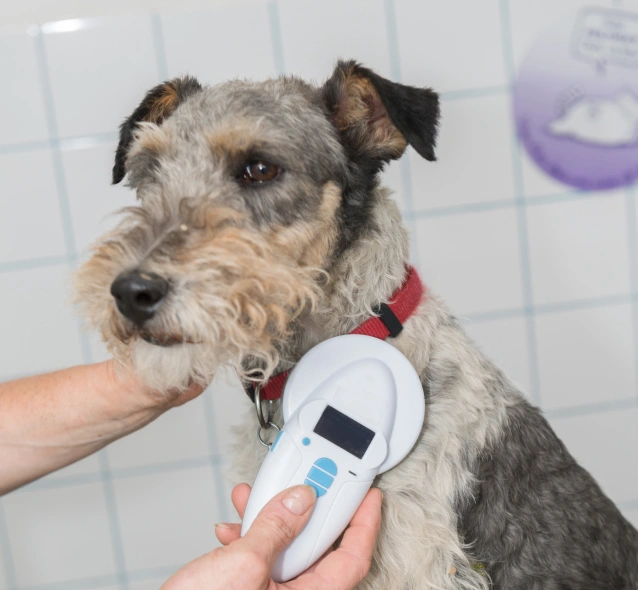
Microchipping
Microchipping is a simple and safe procedure that involves inserting a tiny microchip, about the size of a grain of rice, under the skin of your pet. This microchip contains a unique identification number that can be scanned by a microchip reader. The number is then linked to your contact information in a national pet recovery database. This means that if your pet ever becomes lost, they can be scanned and easily identified, allowing you to be reunited with your furry friend.
How is It Done?
The microchipping procedure is quick and relatively painless for your pet. It is typically done by a veterinarian or trained professional. The microchip is inserted using a needle and syringe, similar to a routine vaccination. The microchip is usually placed between the shoulder blades of your pet, where it will remain for the rest of their life. The procedure only takes a few seconds and your pet will not require any anesthesia.Pros of Microchipping
There Are Many Pros of Microchipping to Include:
- Permanent Identification: Unlike traditional identification tags, microchips cannot fall off or be removed. This means that your pet will have a permanent form of identification that cannot be lost or tampered with.
- Quick and Easy Reunification: If your pet ever becomes lost, having a microchip greatly increases the chances of being reunited with them. Shelters and veterinary clinics have microchip readers that can quickly scan a lost pet and retrieve their owner’s contact information.
- Cost-Effective: Microchipping is a one-time cost that is relatively inexpensive. Many shelters and animal organizations offer discounted microchipping services, making it an affordable option for pet owners.
- Safe and Relatively Painless: The microchipping procedure is safe and painless for your pet. It is similar to a routine vaccination and does not require any anesthesia. Your pet may experience some mild discomfort at the injection site, but this should subside quickly.
- Peace of Mind: Knowing that your pet has a permanent form of identification can give pet owners peace of mind. In the unfortunate event that your pet becomes lost, you can rest assured that they have a better chance of being found and returned to you.
Nutrition and Weight Management
Proper nutrition is essential for maintaining your pet’s overall health and wellness. A well-balanced diet provides the necessary nutrients for your pet’s body to function properly, including vitamins, minerals, proteins, and carbohydrates. These nutrients help support your pet’s immune system, maintain a healthy weight, and prevent diseases and health issues.
The Dangers of Obesity in Pets
Obesity in pets can lead to a variety of health problems, including diabetes, heart disease, and joint issues. It can also decrease their quality of life and shorten their lifespan. Unfortunately, obesity is becoming increasingly common in pets, with an estimated 60% of cats and 56% of dogs in the United States being overweight or obese. This is why it is crucial to monitor your pet’s weight and make necessary adjustments to their diet and exercise routine.Choosing the Right Food for Your Pet
When it comes to choosing the right food for your pet, it can be overwhelming with so many options available. It is essential to look for high-quality, balanced diets that are specifically formulated for your pet’s age, size, and breed. Avoid foods with fillers and by-products, as these do not provide the necessary nutrients for your pet’s health. It is also important to monitor your pet’s food intake and adjust accordingly to maintain a healthy weight.Regular Exercise is Key
Along with a balanced diet, regular exercise is crucial for maintaining your pet’s weight and overall health. Depending on your pet’s age and breed, they may require different levels of activity. Consult with us to determine the appropriate amount of exercise for your pet and make sure to incorporate it into their daily routine.Behavioral Counseling
One of the main benefits of seeking out veterinary behavioral counseling is the behavioral support we can provide for your pet. Whether your pet is exhibiting aggression, anxiety, or other behavioral issues, we can work with you and your pet to address these issues and improve their overall well-being. We can also provide guidance on how to prevent future behavioral problems from arising.