
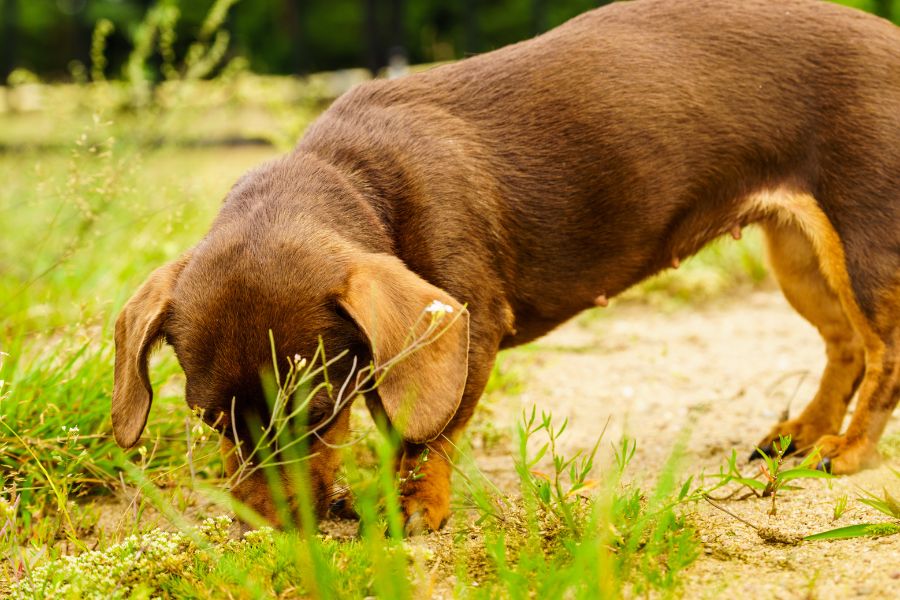
Dogs munching on grass have puzzled pet owners for generations. One popular belief is that dogs eat grass to make themselves vomit when feeling ill.
But is this behavior really a deliberate act of self-medication or just a myth? This blog explores the truth behind grass eating in dogs, with insights from veterinary experts and behavioral research.
The Grass-Eating Mystery: More Than Meets the Eye
When you see your dog nibbling on grass and possibly throwing up afterward, it’s tempting to think they are trying to relieve an upset stomach. Veterinarians reveal this is a common assumption, but not entirely accurate.
Studies show that less than a quarter of dogs vomit after eating grass, and only a small fraction exhibit signs of illness before grazing. This implies that most dogs do not intentionally eat grass to induce vomiting.
Nature’s Roughage: The Fiber Factor
One practical explanation for grass eating is the need for dietary fiber. Dogs are omnivores who may instinctively seek out roughage to aid digestion and bowel movements. Grass provides fiber, which helps regulate their digestive system.
If lacking enough fiber in their diet, dogs might turn to grass as a natural supplement. This doesn’t necessarily mean your dog is deficient in nutrients, but rather fulfilling a digestive requirement.
Texture or Taste? Simple Enjoyment
Sometimes, dogs simply like the texture or taste of grass. Just as humans have food preferences, dogs may enjoy the sensation of grass in their mouths. Boredom or habit can also contribute, especially in dogs left alone for long periods without stimulation. Providing chew toys and sufficient exercise can help reduce grass eating driven by boredom.
When to Be Concerned: Potential Medical Issues
Although often harmless, frequent grass eating combined with vomiting, lethargy, diarrhea, or other symptoms may signal an underlying medical problem. Conditions like gastric reflux, inflammatory bowel disease, or pancreatitis could cause discomfort, leading your dog to eat grass.
If your dog shows such signs, consult your veterinary clinic in Palmetto, FL, for a thorough checkup. Early diagnosis and treatment can prevent serious complications.
Safe Grass-Grazing: Precautions for Pet Owners
If your dog enjoys occasional grass chewing, it’s generally safe if the grass has not been treated with herbicides or pesticides. Always supervise outdoor time and prefer grassy areas you know are chemical-free. Avoid letting your dog eat excessive amounts to prevent stomach upset or blockages. Moderation and awareness are key to keeping your pet healthy.
In conclusion, the idea that dogs eat grass purely to make themselves vomit is largely a myth, although it sometimes happens. Grass eating mainly serves as a natural behavior for digestion, enrichment, or taste preference. Pet owners should observe their dogs holistically and seek professional advice from a veterinary clinic in Palmetto, FL, if health concerns arise. This balanced understanding will help maintain your dog’s wellbeing and your peace of mind.