Hot summer weather can increase your pet’s risk of dehydration faster than many owners realize. Whether you have a playful puppy, an active outdoor dog, or an indoor cat, knowing how much water your pet should drink in summer is essential for their health and safety.
In this guide, you’ll learn the signs of dehydration, daily water intake recommendations for dogs and cats, factors that affect hydration needs, and simple ways to keep your pet cool during hot weather. Understanding proper hydration can help prevent heat exhaustion, urinary issues, and other serious health concerns during the summer months.
Why Hydration Matters for Pets During Summer?
Just like humans, pets rely on water to regulate body temperature, support organ function, and maintain healthy circulation. During summer, pets lose more fluids through panting, sweating through paw pads, and physical activity.
Without enough water intake, pets can quickly become dehydrated, especially in Florida’s heat and humidity. Severe dehydration may lead to:
- Heatstroke
- Kidney problems
- Urinary tract issues
- Fatigue and weakness
- Digestive upset
Keeping your pet hydrated is one of the easiest ways to protect their health during warmer months.
How Much Water Should My Pet Drink in Summer?
A general guideline is that pets should drink about 1 ounce of water per pound of body weight each day. However, summer heat often increases that amount.
Water Intake for Dogs
Here’s a simple estimate for dogs:
| Dog Weight | Average Daily Water Intake |
|---|---|
| 10 pounds | 10 to 15 ounces |
| 25 pounds | 25 to 35 ounces |
| 50 pounds | 50 to 70 ounces |
| 75 pounds | 75 to 100 ounces |
Active dogs, long-haired breeds, and dogs spending time outdoors may need even more water.
Water Intake for Cats
Cats generally drink less water than dogs, but hydration is still critical.
Most cats need around:
- 3.5 to 4.5 ounces of water per 5 pounds of body weight daily
Cats eating canned food may drink less because wet food already contains moisture. Cats eating dry kibble usually need to drink more water.
Factors That Affect Your Pet’s Water Needs
Every pet is different. Several factors can increase the amount of water your pet should drink in summer.
Activity Level
Pets that run, play, or exercise outdoors lose more fluids and require additional hydration.
Weather Conditions
High heat and humidity increase panting and fluid loss. Pets living in warm climates often need more frequent access to water.
Diet
- Dry kibble contains very little moisture
- Wet food contributes to daily hydration
- Salty treats may increase thirst
Age
Puppies and kittens can dehydrate faster than adult pets. Senior pets may also be more vulnerable to dehydration due to underlying health conditions.
Medical Conditions
Certain illnesses can affect hydration levels, including:
- Kidney disease
- Diabetes
- Gastrointestinal illness
- Fever
If your pet suddenly drinks much more or much less water than usual, contact your veterinarian.
Signs Your Pet May Be Dehydrated
Recognizing dehydration early can prevent emergencies. Watch for these common symptoms:
Mild Dehydration Signs
- Dry nose or gums
- Slight lethargy
- Reduced appetite
- Panting more than usual
Moderate to Severe Dehydration Signs
- Sunken eyes
- Thick or sticky saliva
- Weakness
- Vomiting or diarrhea
- Rapid heart rate
- Difficulty standing
Simple Skin Elasticity Test
You can gently lift the skin between your pet’s shoulders. In a hydrated pet, the skin should quickly return to normal. Slow movement may indicate dehydration.
If you suspect dehydration, seek veterinary care immediately.
Best Ways to Keep Your Pet Hydrated in Summer
Provide Fresh Water at All Times
Refresh water bowls several times daily, especially during hot weather.
Tips include:
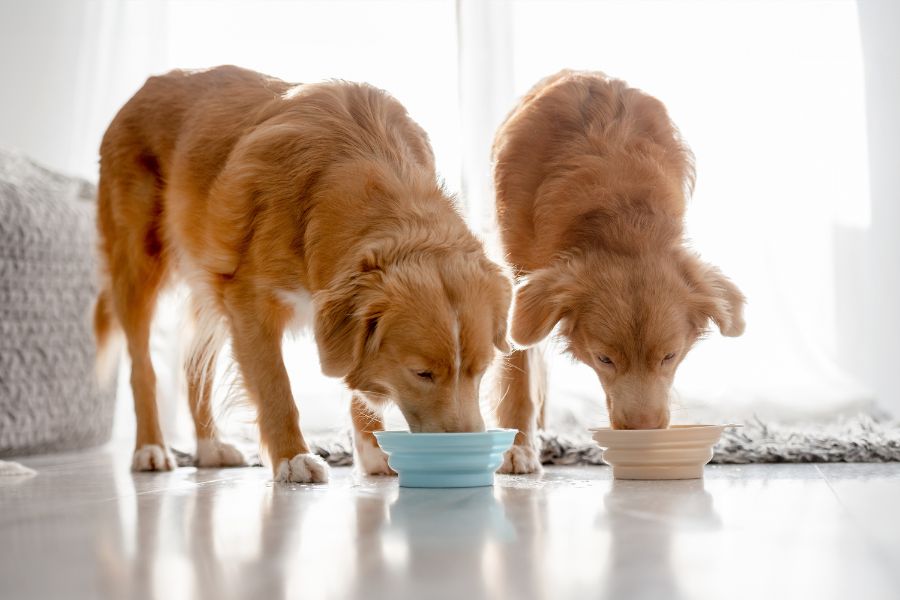
- Use multiple water bowls around the house
- Keep bowls in shaded areas outdoors
- Wash bowls daily to prevent bacteria buildup
Bring Water on Walks
Always carry water during walks, hikes, or trips to the park. Portable pet water bottles make hydration easier while traveling.
Add Moisture to Meals
Wet food can increase your pet’s daily water intake naturally. You can also add a small amount of water or low-sodium broth to dry food.
Offer Ice Cubes or Frozen Treats
Many pets enjoy ice cubes or pet-safe frozen treats during summer. This can encourage extra fluid intake while helping them cool down.
Limit Outdoor Activity During Peak Heat
Avoid walks during the hottest parts of the day, usually between 10 a.m. and 4 p.m.
Early morning and evening walks are much safer during summer.
Which Pets Are at Higher Risk of Dehydration?
Some pets are more sensitive to heat and fluid loss.
Brachycephalic Breeds
Flat-faced breeds like:
- Bulldogs
- Pugs
- Persian cats
These pets have more difficulty cooling themselves through panting.
Senior Pets
Older pets may have underlying medical conditions that increase dehydration risk.
Puppies and Kittens
Young pets have smaller body reserves and can become dehydrated quickly.
Long-Haired or Thick-Coated Breeds
Heavy coats trap heat and may increase overheating risk.
Can Pets Drink Too Much Water?
While dehydration is more common in summer, excessive water intake can sometimes signal a medical problem.
Conditions linked to increased thirst include:
- Diabetes
- Kidney disease
- Cushing’s disease
- Hormonal imbalances
In rare cases, pets can experience water intoxication from consuming excessive amounts too quickly, especially during water play.
If you notice sudden changes in drinking habits, schedule a veterinary evaluation.
Summer Hydration Tips for Cats
Cats are naturally less motivated to drink water, making hydration especially important during summer.
Helpful tips include:
- Use cat water fountains
- Place bowls away from litter boxes
- Offer multiple water stations
- Feed wet food regularly
- Use wide bowls to reduce whisker stress
Some cats prefer running water or chilled water during warmer months.
When to Call a Veterinarian?
Contact your veterinarian if your pet shows:
- Persistent vomiting or diarrhea
- Refusal to drink water
- Excessive panting
- Signs of heatstroke
- Weakness or collapse
- Sudden increase in thirst
Heat-related illnesses can become life-threatening quickly, especially in Florida’s summer temperatures.
Conclusion
Understanding how much water your pet should drink in summer is an important part of protecting their health. Proper hydration helps regulate body temperature, supports organ function, and reduces the risk of heat-related illness. By monitoring your pet’s water intake and recognizing early signs of dehydration, you can help keep them safe and comfortable all season long. If you have concerns about your pet’s hydration, heat tolerance, or overall summer wellness, contact your Palmetto vet at Watson’s Friends Animal Hospital to schedule an appointment and keep your furry companion healthy during the warmer months.
FAQs
Q1: How can I tell if my dog is dehydrated in summer?
Ans: Signs of dehydration include dry gums, excessive panting, lethargy, sticky saliva, and sunken eyes. Severe dehydration requires immediate veterinary attention.
Q2: Is it normal for pets to drink more water in hot weather?
Ans: Yes, pets naturally drink more water during summer because they lose fluids through panting and activity.
Q3: How often should I refill my pet’s water bowl in summer?
Ans: Fresh water should be available at all times. Refill and clean bowls at least once or twice daily, more often during extreme heat.
Q4: Can wet food help keep my pet hydrated?
Ans: Yes, canned or wet food contains moisture that supports hydration, especially for cats and pets that do not drink enough water.
Q5: What should I do if my pet refuses to drink water?
Ans: Try offering cool fresh water, ice cubes, or a pet fountain. If your pet still refuses water or shows signs of illness, contact your veterinarian promptly.