
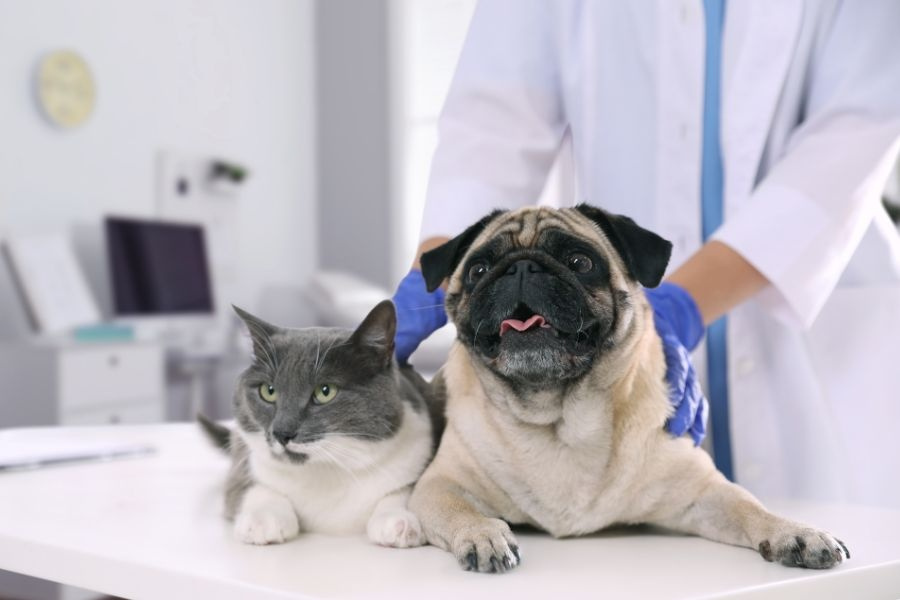
Regular wellness exams are one of the most important parts of keeping your pet healthy at every stage of life. Many illnesses, including dental disease, arthritis, diabetes, and heart conditions, can develop slowly without obvious signs at home. Routine veterinary visits help catch these issues early, often before they become serious or expensive to treat.
In this guide, you’ll learn how often to schedule wellness exams for your pet, what happens during these visits, and why preventive care plays a major role in your pet’s long-term health and quality of life.
Why Wellness Exams Matter for Pets?
A wellness exam is more than a quick checkup. It gives your veterinarian the chance to evaluate your pet’s overall health, monitor changes over time, and identify potential concerns early.
Pets age faster than humans, which means their health can change significantly within a year. A dog or cat that seems perfectly healthy may still have underlying conditions developing quietly.
Routine wellness exams help veterinarians:
- Detect illness early
- Monitor weight and nutrition
- Update vaccines
- Check dental health
- Screen for parasites
- Evaluate mobility and joint health
- Discuss behavior concerns
- Recommend preventive care
Early detection often leads to easier treatment, lower costs, and better outcomes for your pet.
How Often Should Healthy Adult Pets Have Wellness Exams?
Most healthy adult dogs and cats should have a wellness exam once a year.
Annual exams allow your veterinarian to establish a health baseline and track subtle changes that may not be noticeable at home. During these visits, your vet may recommend:
- Routine bloodwork
- Fecal testing
- Heartworm testing
- Vaccine boosters
- Dental evaluations
- Nutrition guidance
Even indoor pets benefit from yearly veterinary visits. Cats that never go outside can still develop dental disease, obesity, kidney disease, or arthritis.
Signs Your Pet Should See the Vet Sooner
Do not wait for the next annual exam if your pet shows symptoms like:
- Changes in appetite
- Weight gain or loss
- Increased thirst
- Vomiting or diarrhea
- Limping
- Bad breath
- Low energy
- Coughing or sneezing
- Changes in bathroom habits
Small changes can sometimes signal larger health problems.
How Often Should Puppies and Kittens Have Wellness Visits?
Young pets need more frequent veterinary care during their first year of life.
Puppies and kittens generally visit the vet every 3 to 4 weeks until they are about 16 weeks old. These appointments are important for growth monitoring, vaccines, parasite prevention, and developmental checks.
Common Services During Early Wellness Exams
Puppies and kittens often receive:
- Core vaccinations
- Deworming treatments
- Flea and tick prevention
- Nutrition recommendations
- Spay and neuter discussions
- Behavioral guidance
Frequent visits also help young pets become comfortable with veterinary care, which can reduce stress later in life.
Senior Pets Need More Frequent Wellness Exams
Senior pets should typically have wellness exams every 6 months.
As pets age, the risk of chronic disease increases. Conditions like arthritis, kidney disease, diabetes, heart disease, and cancer become more common in older dogs and cats.
Because pets age more rapidly than humans, twice-yearly exams help veterinarians catch age-related problems earlier.
Common Senior Pet Health Concerns
Your veterinarian may monitor for:
- Joint stiffness or arthritis
- Vision or hearing loss
- Dental disease
- Cognitive decline
- Heart problems
- Kidney or liver disease
- Thyroid conditions
Senior wellness exams often include more detailed diagnostic testing, including bloodwork and urinalysis.
What Happens During a Pet Wellness Exam?
A comprehensive wellness exam looks at your pet from nose to tail.
Physical Examination
Your veterinarian will check:
- Eyes and ears
- Skin and coat
- Teeth and gums
- Heart and lungs
- Abdomen
- Weight and body condition
- Joints and mobility
This physical assessment helps identify changes that may indicate illness or discomfort.
Preventive Care Discussion
Your veterinarian may also discuss:
- Parasite prevention
- Vaccination schedules
- Nutrition
- Exercise
- Behavioral changes
- Dental care routines
These conversations are tailored to your pet’s age, breed, lifestyle, and medical history.
Diagnostic Testing
Routine tests may include:
- Bloodwork
- Urine testing
- Fecal exams
- Heartworm testing
- Tick-borne disease screening
Many diseases are easier to manage when identified early through preventive testing.
Why Preventive Care Saves Money?
Some pet owners delay wellness exams because their pet appears healthy. However, preventive care is often less expensive than emergency treatment.
For example:
- Treating early dental disease is typically simpler than managing advanced infections.
- Catching kidney disease early may help slow progression.
- Managing obesity early can reduce the risk of diabetes and joint problems.
Routine exams help avoid many preventable health complications.
Indoor Pets Still Need Regular Wellness Exams
A common misconception is that indoor pets do not need veterinary care as often.
Indoor cats and dogs still face risks such as:
- Obesity
- Dental disease
- Allergies
- Arthritis
- Urinary issues
- Diabetes
Wellness exams help identify these concerns before they become severe.
How to Prepare for Your Pet’s Wellness Visit?
You can help make your pet’s appointment more productive by preparing ahead of time.
Bring Notes About Changes
Track changes in:
- Eating habits
- Water intake
- Activity level
- Bathroom habits
- Behavior
- Mobility
Even small details can help your veterinarian identify problems earlier.
Bring Current Medications
Include:
- Supplements
- Flea and tick preventives
- Prescription medications
This helps your vet review your pet’s complete health plan.
Ask Questions
Wellness visits are a great opportunity to discuss concerns about:
- Diet
- Weight
- Anxiety
- Aging
- Dental care
- Exercise needs
No question is too small when it comes to your pet’s health.
The Importance of Building a Long-Term Veterinary Relationship
Routine wellness care also helps build trust between your pet, your family, and your veterinary team.
When veterinarians know your pet’s health history over time, they can better recognize subtle changes and provide more personalized care recommendations.
Consistent care also helps pets become more comfortable during visits, which can reduce stress and anxiety.
Conclusion
Scheduling regular wellness exams is one of the best ways to support your pet’s long-term health. Puppies and kittens need frequent visits during their first year, healthy adult pets usually benefit from annual exams, and senior pets often need checkups every six months. Preventive care helps detect health issues early, supports a better quality of life, and can reduce the risk of costly medical problems later on. If your pet is due for a checkup, contact your Palmetto veterinarian at Watson’s Friends Animal Hospital to schedule a wellness exam and keep your companion on the path to a healthier life.
FAQs
Q1: How often should dogs have wellness exams?
Ans: Most healthy adult dogs should have a wellness exam once a year. Senior dogs and pets with medical conditions may need visits every six months.
Q2: Do indoor cats need annual wellness exams?
Ans: Yes, indoor cats still need yearly wellness exams to monitor for conditions like obesity, dental disease, kidney disease, and arthritis.
Q3: What is included in a pet wellness exam?
Ans: A wellness exam typically includes a physical examination, vaccine review, parasite screening, dental evaluation, and discussions about nutrition and preventive care.
Q4: At what age is a pet considered senior?
Ans: Many dogs and cats are considered seniors around age 7, although larger dog breeds may age faster and require earlier senior care monitoring.
Q5: Why are routine wellness exams important for pets?
Ans: Routine wellness exams help detect diseases early, monitor overall health, update preventive care, and improve long-term quality of life for pets.