When temperatures drop, the nutritional needs of pets often shift. Because winter can place added stress on their bodies, a careful review of your dog’s or cat’s diet is important. Although every pet is different, several general guidelines can be followed to ensure well-rounded care throughout the colder months.
In the sections below, practical and pet-friendly guidance is provided to help support their overall wellness.
Why Winter Nutrition Matters
During winter, more energy is expended by many dogs and cats to stay warm. Therefore, nutritional adjustments may be needed to maintain a healthy weight. In addition, lower humidity and cold winds can affect skin and coat health, which means better nourishment becomes essential.
Although some pets may remain indoors most of the time, their bodies still experience seasonal changes that should be acknowledged.
Supporting Healthy Energy Levels
To begin with, it should be understood that calorie requirements may shift during winter. For active dogs, slightly increased energy intake may be beneficial so that body warmth is maintained. Conversely, less-active indoor cats may require only minimal adjustments.
Before changes are made, body condition should be checked regularly. Gradual modifications are always recommended so that digestive discomfort is avoided.
Maintaining a Balanced Diet
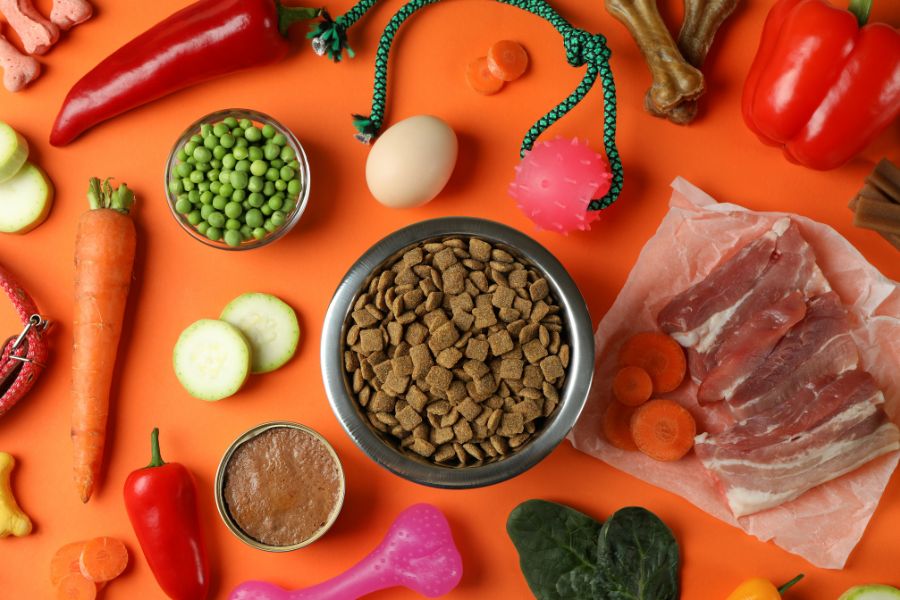
A balanced winter diet should focus on complete nutrition. High-quality proteins are often favored since they support muscle strength and overall metabolism. However, protein levels should match your pet’s life stage and activity level. Healthy fats can also be included, as they provide concentrated energy and assist with coat health. Even so, moderation must be maintained to prevent unnecessary weight gain.
Vitamins and minerals play meaningful roles during winter as well. For instance, antioxidants may help support immune function, while omega-3 fatty acids may be useful for winter-dry skin. Whenever supplements are being considered, guidance from a trusted source, such as a Palmetto veterinarian, is often recommended.
Hydration Is Still Essential
Although pets may drink less during cold weather, hydration should consistently be encouraged. Water bowls should be kept clean and refilled often, since fresh water promotes steady intake. Moreover, slightly warmed water is sometimes preferred by pets on chilly days.
If dry food is usually served, a small amount of warm water or broth can be added for additional moisture, ensuring their digestive system stays comfortable throughout winter.
The Role of Warm, Comforting Meals
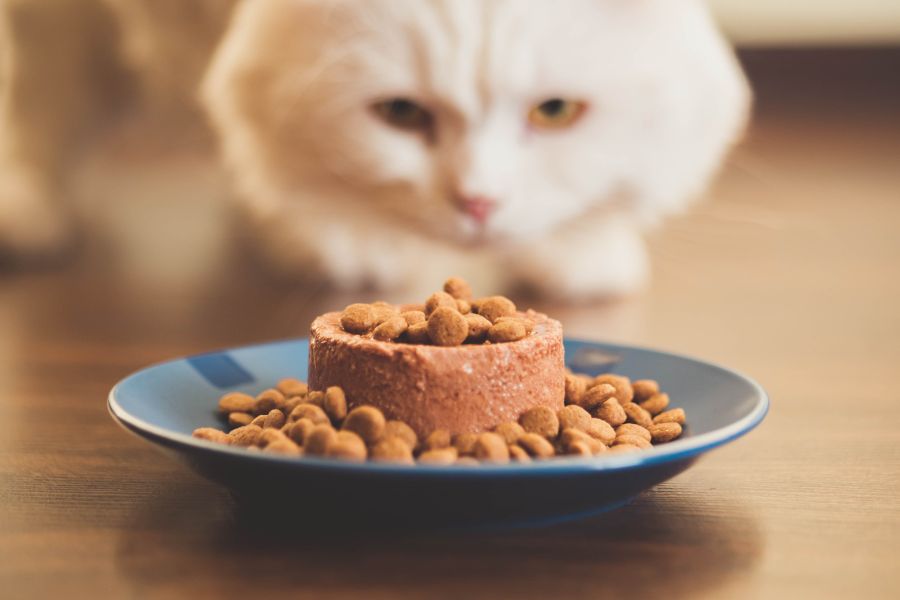
Warm meals can be soothing when outdoor temperatures are low. While sudden changes in diet should be avoided, lightly warmed food may be appealing to both cats and dogs. The warmth enhances aroma, making meals more inviting for picky eaters. Nevertheless, food should never be served hot; only gentle warming is advised to protect sensitive mouths.
Winter Weight Management
Weight fluctuations can occur easily during winter. Since activity levels may drop, calorie intake should be monitored closely. Regular weighing is helpful, and small adjustments can be made as needed. Treats should be offered sparingly, even though they are often used more frequently during indoor play. When body weight is kept stable, joints, heart health, and overall comfort are better supported during cold months.
Nutrient-Dense Seasonal Additions
A few seasonal additions may be safely incorporated with veterinary guidance. Options such as cooked pumpkin, plain green beans, or a small serving of steamed vegetables can add fiber and nutrients.
Additionally, omega-rich fish toppers or broths may enhance flavor while supporting hydration. Still, any new ingredient must be introduced slowly so that sensitivities are minimized.
Caring for Skin and Coat Health
Winter air can be drying, which may lead to flaky skin or a dull coat. Therefore, healthy fats that naturally support skin moisture should be considered.
Foods containing omega-3 fatty acids, such as salmon or fish oil supplements, may be helpful when used safely. Moreover, consistent grooming is recommended. Brushing stimulates natural oils and helps maintain skin health, which indirectly supports overall nutrition.
Digestive Support During Cold Months
Changes in routine, indoor heating, and stress may influence digestion during winter. A consistent feeding schedule should be followed, and high-quality diets are preferred to maintain regular bowel habits.
If occasional digestive upset occurs, bland foods can be used temporarily under guidance. Probiotics may also be helpful for some pets, although they should be selected carefully to ensure suitability for dogs or cats.
Safe Treat Choices for Winter
Certain treats can complement winter nutrition when chosen thoughtfully. Freeze-dried meats, single-ingredient treats, or low-calorie options are useful for maintaining training routines. However, excessive treats may lead to weight concerns, so portion control is recommended. Because winter often brings more indoor time, mentally stimulating activities such as puzzle feeders can be used in place of high-calorie snacks.
Special Considerations for Senior Pets
Older dogs and cats often have unique nutritional needs during colder seasons. Joint stiffness may become more noticeable in chilly weather, so diets rich in supportive nutrients may offer comfort. Additionally, senior pets may benefit from consistent meal schedules and easily digestible foods. Since age-related conditions can influence dietary choices, personalized recommendations may be needed.
Although winter presents nutritional challenges, thoughtful adjustments can support your dog or cat throughout the season. With balanced meals, proper hydration, and mindful monitoring, overall health can be maintained effectively. Ultimately, winter nutrition should be approached with patience and steady care so pets feel their best from the first frost to the last cold day.