
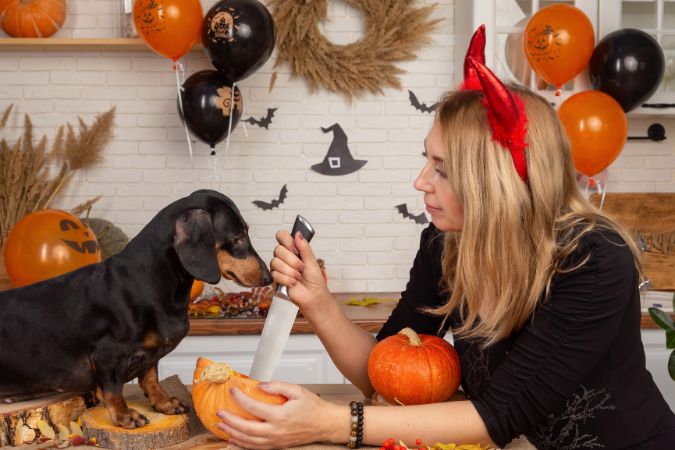
Halloween is a season of excitement, costumes, and endless treats—but for your furry companions, it can also bring hidden dangers lurking in their food and snacks. While you might be checking candy labels for your kids, it’s equally important to read and understand what’s in your pet’s food.
Not all treats labeled “healthy,” “natural,” or “premium” are what they seem. So, how can you tell the difference between a real treat and a tricky label? Let’s decode the secrets behind pet food labels this Halloween and make sure your pets enjoy the festivities safely.
The Halloween Connection: Tricks Aren’t Just for Treats
As pet owners, we often get swept up in the fun of the season—buying themed snacks, pumpkin-flavored goodies, or cute Halloween-shaped treats. But here’s the spooky truth: many festive pet treats are packed with artificial colors, preservatives, and low-quality fillers that can harm your pet’s health.
Spot the Difference:
- Trick: Labels with flashy terms like “gourmet,” “holistic,” or “natural” but no specific ingredient list.
- Treat: Transparent packaging that clearly lists real meat, whole grains, and natural preservatives like vitamin E (tocopherols).
This Halloween, take an extra minute to look past the marketing magic. The difference between healthy and harmful often lies in the fine print.
Start with the Ingredient List: The First Clue to Quality
The ingredient list is the heart of every pet food label. It’s where you can tell if a brand truly cares about nutrition—or just good advertising.
Ingredients are listed in order of weight, meaning the first few items make up the bulk of the food. Look for real, recognizable ingredients like:
- Chicken, beef, lamb, or fish (as the first ingredient)
- Whole grains like brown rice or oats
- Vegetables and fruits such as carrots, peas, and blueberries
Avoid the Tricks:
Steer clear of vague or misleading ingredients like “meat meal,” “animal by-product,” or “poultry fat.” These often indicate low-quality sources that lack essential nutrients.
If you spot added sweeteners like corn syrup or propylene glycol (a common ingredient in semi-moist treats), put it back on the shelf. These are the candy corns of the pet food world—fun to look at but bad for your pet’s health.
Nutritional Adequacy Statement: The Real Deal
Every complete pet food product should include an AAFCO (Association of American Feed Control Officials) statement. This statement verifies whether the food provides balanced nutrition for your pet’s life stage—puppy, adult, or senior.
Here’s what to look for:
✅ “This product is formulated to meet the nutritional levels established by the AAFCO Dog (or Cat) Food Nutrient Profiles.”
⚠️ “Intended for intermittent or supplemental feeding only” – This means it’s a treat or snack, not a full meal.
Spot the Difference:
- Trick: Labels missing the AAFCO statement or using vague claims like “complete and balanced” without evidence.
- Treat: Foods clearly stating AAFCO compliance for your pet’s specific life stage.
Understanding Guaranteed Analysis: The Science Behind the Label
The Guaranteed Analysis section may look technical, but it’s crucial for understanding your pet’s nutrition. It provides percentages of key nutrients such as:
- Crude protein (for muscle and tissue health)
- Crude fat (for energy and coat health)
- Crude fiber (for digestion)
- Moisture content (to understand calorie density)
For most pets, a higher protein and moderate fat level is ideal. However, always consider your pet’s age, breed, and activity level. For instance, a senior cat may need less fat than an active puppy.
Don’t Get Fooled by Fancy Words
Many brands use emotional marketing to appeal to pet parents’ love and guilt. You might see phrases like “farm-raised,” “chef-inspired,” “gourmet blend,” or “human-grade.” While these sound impressive, they often have no legal definitions in pet food regulation.
Spot the Difference:
- Trick: Buzzwords without backing—no ingredient transparency or nutritional data.
- Treat: Clear sourcing statements like “Made with 100% real chicken from USDA-inspected farms.”
Remember, genuine quality doesn’t need marketing gimmicks. It shows up in the details—simple, nutritious ingredients and honest labeling.
Seasonal Ingredients: Pumpkin Power or Just a Gimmick?
Pumpkin-themed treats dominate the shelves every Halloween. The good news? Pumpkin can actually benefit your pet—it’s rich in fiber, supports digestion, and adds natural flavor.
The catch? Not all pumpkin products are created equal. Some “pumpkin-flavored” treats contain minimal real pumpkin and rely on artificial coloring or flavoring.
Spot the Difference:
- Trick: “Pumpkin flavor” is listed at the end of the ingredient list.
- Treat: “Pumpkin puree” or “dehydrated pumpkin” appearing among the top ingredients.
So if you’re planning to share some festive fun, choose genuine pumpkin treats—or better yet, make homemade pumpkin bites using pure canned pumpkin (not pie filling!).
Beware of Sweeteners and Additives
Just like candy, some pet treats are packed with added sugars and artificial preservatives. Ingredients like BHA, BHT, ethoxyquin, and propylene glycol can cause long-term health issues.
Look for natural alternatives such as mixed tocopherols (vitamin E) or ascorbic acid (vitamin C) as preservatives.
Spot the Difference:
- Trick: Brightly colored or glazed treats.
- Treat: Naturally colored, preservative-free snacks with a short ingredient list.
If you can’t pronounce an ingredient, your pet probably shouldn’t eat it!
Don’t Overlook Portion Sizes and Feeding Guidelines
Even healthy treats can cause trouble if given in excess. Pet food labels include feeding instructions for a reason—they’re based on calorie content and your pet’s weight.
During Halloween, when treats are everywhere, monitor your pet’s intake closely. Obesity is one of the most common health issues in pets, and overfeeding festive snacks can add unnecessary calories quickly.
Stick to the “10% rule”: treats should make up no more than 10% of your pet’s daily calorie intake.
When in Doubt, Ask the Experts
Understanding pet food labels can be tricky, but you’re not alone. Your veterinarian can help interpret ingredients and recommend the best options based on your pet’s unique health needs.
For reliable, personalized advice, you can always consult Watson’s Friends Animal Hospital, where pet nutrition and wellness go hand in hand.
This Halloween, make label-checking your superpower. Whether you’re picking up spooky snacks or everyday food, knowing how to read a pet food label helps protect your furry companion’s health.
Remember:
- Real ingredients first.
- AAFCO compliance always.
- Natural preservatives over chemicals.
- Transparency over marketing.
When you spot the difference between a genuine treat and a marketing trick, you give your pet the gift of better health—not just this Halloween, but all year round.
So, while everyone else is indulging in chocolate and candy, you’ll know your four-legged friend is celebrating safely—with nutrition that truly counts.