
Bringing a new furry friend into your home comes with immense joy—but also responsibilities. Among the most important choices you’ll make as a pet owner is deciding when and where to spay or neuter your pets.
Understanding the recovery process after these procedures ensures your pet heals safely and comfortably. In this blog, we’ll cover everything from what spay and neuter mean to the ideal timing, recovery expectations, and trusted places for pet care.
Understanding Spay and Neuter: What Does It Really Mean?
Before diving into recovery, it’s important to understand the Difference Between Spay And Neuter.
- Spaying refers to the surgical removal of a female pet’s ovaries and usually the uterus. This procedure prevents pregnancy and reduces the risk of reproductive health issues, such as uterine infections and certain cancers.
- Neutering, on the other hand, involves the removal of male pets’ testicles. Neutering prevents unwanted litters and can reduce behaviors like marking, roaming, and aggression.
While both procedures share the goal of controlling the pet population and promoting health, the Difference Between Spay And Neuter lies primarily in the pet’s sex and the organs involved in surgery. Understanding these distinctions helps you provide proper post-operative care.
When to Spay or Neuter Your Pet Dog
Timing is crucial for a smooth recovery. For dogs, veterinarians generally recommend:
- Small breeds: Spay or neuter between 6 to 9 months of age.
- Large breeds: Spay or neuter closer to 12–18 months to allow proper skeletal development.
It’s important to discuss breed-specific recommendations with your veterinarian. By following the ideal timeline, you reduce surgical risks and ensure your dog’s long-term health.
When to Spay or Neuter your Pet Cat
Cats, both male and female, can be spayed or neutered as early as 8 weeks, provided they weigh at least 2 pounds. However, many veterinarians suggest:
Kittens: Between 4 to 6 months of age, just before sexual maturity.
Early spaying or neutering in cats can prevent unwanted litters, decrease the risk of certain cancers, and reduce problematic behaviors like spraying and roaming.
Spotting the Difference Between Spay and Neuter Procedures
While both surgeries aim to prevent reproduction, recovery experiences can differ slightly. Here’s a quick comparison:
| Aspect | Spay (Females) | Neuter (Males) |
| Surgical Time | Typically 30–60 minutes | Usually 20–30 minutes |
| Incision Location | Abdomen | Scrotum |
| Recovery Complexity | Moderate, may require an e-collar for protection | Often easier, shorter recovery period |
| Pain Management | Essential, due to abdominal surgery | Still necessary but usually less intense |
| Long-term Health | Prevents uterine infections, ovarian cancer | Reduces risk of testicular cancer, certain behaviors |
Remember, understanding the Difference Between Spay And Neuter ensures that you can provide the right environment and care during recovery.
The Recovery Timeline: What to Expect
Recovery is a gradual process, but most pets bounce back quickly with proper care.
Day 1–3: Immediate Post-Operative Care
- Your pet may feel groggy or lethargic due to anesthesia.
- Offer small amounts of water and food; don’t force them to eat.
- Monitor the incision for swelling, redness, or discharge.
- Keep your pet in a quiet, comfortable area to rest.
Day 4–7: Healing in Progress
- Some mild soreness or stiffness is casuall.
- Limit physical activity—no running, jumping, or rough play.
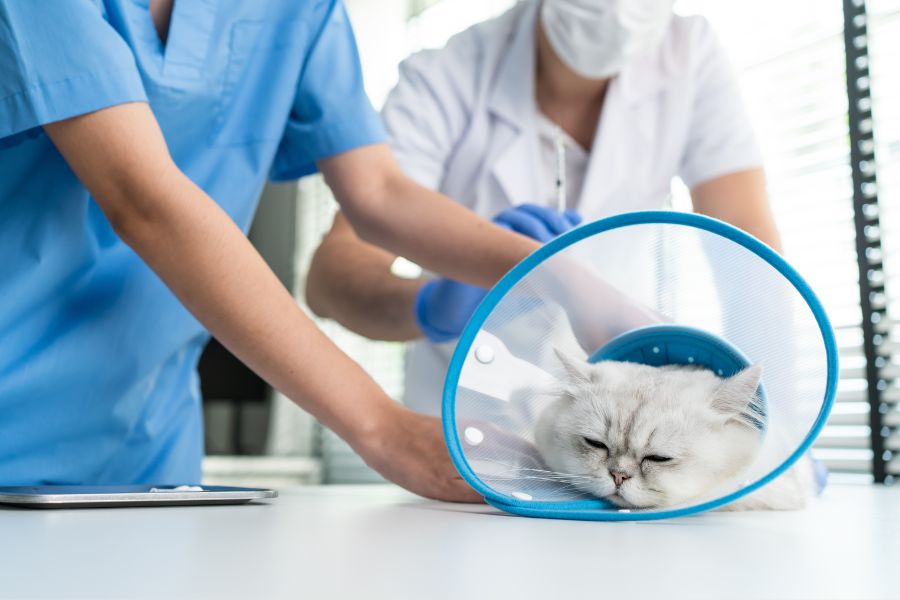
- Use an e-collar or protective garment to prevent licking or chewing the incision.
Week 2: Returning to Normal
- Most pets resume normal behavior by the end of the second week.
- Check the incision daily; it should be clean, dry, and healing well.
- Schedule a follow-up visit with your veterinarian to ensure proper recovery.
Common Recovery Tips for Comfort and Safety
- Maintain a calm environment: Stress can delay healing.
- Follow medication instructions: Pain relief and antibiotics are vital.
- Monitor behavior: Excessive lethargy, vomiting, or bleeding warrants immediate veterinary attention.
- Limit outdoor activity: Protect the incision from dirt and potential infection.
- Encourage gentle interaction: Petting and calm companionship help your pet feel secure.
Using these tips ensures a smoother recovery and reduces complications.
Where to Spay or Neuter Your Dog or Cat
Choosing the right clinic significantly affects both the surgical outcome and recovery experience. If you are conveniently located in Palmetto, FL, and searching for the best spay & neuter service near me, Watson’s Friends Animal Hospital is the right choice for compassionate, advanced, and reliable pet care.
With experienced veterinarians, modern surgical facilities, and personalized post-operative guidance, Watson’s Friends Animal Hospital ensures your pet receives the highest level of care. From pre-surgical preparation to follow-up support, they make the spay or neuter process seamless and stress-free.
The Difference Between Spay and Neuter: Long-Term Health Benefits
Highlighting the Difference Between Spay And Neuter is crucial for pet owners considering long-term outcomes:
- Spayed females enjoy a reduced risk of mammary tumors and life-threatening uterine infections.
- Neutered males are less prone to prostate disease and exhibit fewer territorial behaviors.
Both procedures contribute to overall population control, decreasing the number of stray or unwanted animals in the community. By understanding the Difference Between Spay And Neuter, you make an informed decision that benefits your pet’s health and behavior.
Spaying or neutering is more than just a routine surgery—it’s a commitment to your pet’s long-term health. By understanding what each procedure involves, following proper recovery steps, and choosing the right veterinary clinic, you provide your furry companion with the safest and most comfortable experience.
Remember, whether your pet is a playful kitten, an energetic puppy, or a mature companion, recovery is a journey that requires patience, care, and attention. Stay observant, follow veterinary advice, and enjoy watching your pet heal and thrive after their spay or neuter procedure.